








- 1. The Quintessential Elements of a Traditional Christmas Dinner
- 1.1. The Centerpiece: Roasted Meats
- 1.2. Essential Accompaniments and Savory Sides
- 1.3. Classic Vegetable Dishes
- 1.4. Decadent Desserts
- 2. A Historical and Cultural Perspective on Christmas Feasting
- 3. Elevating the Traditional Christmas Dining Experience
- 3.1. The Pursuit of Authenticity and Premium Ingredients
- 3.2. Culinary Craftsmanship and Ambiance
- 4. Experience the Grandeur of Traditional Christmas at Moca Dining
The traditional Christmas dinner is far more than a meal; it is a cherished annual ritual, a moment of profound connection deeply woven into the fabric of history and culture. It represents a gathering of loved ones, a reflection of shared heritage, and a sensory celebration that transcends the plate. This article will delve into the quintessential elements and rich history of this festive feast, exploring how its timeless spirit is honored and elevated in a fine dining context.
1. The Quintessential Elements of a Traditional Christmas Dinner
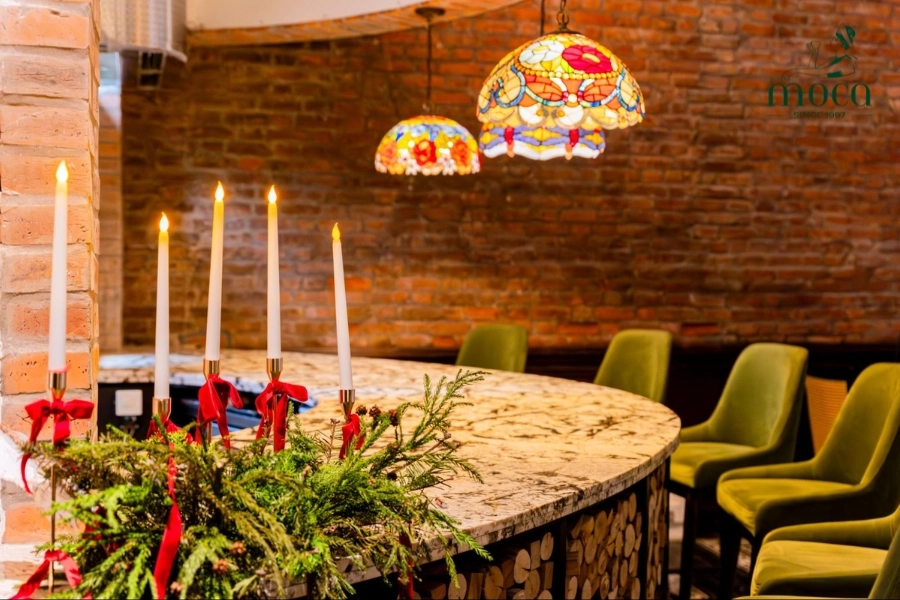
The Quintessential Elements of a Traditional Christmas Dinner
To understand this cherished meal, one must first appreciate its core components, a symphony of flavors and textures perfected over generations. These are the foundational Christmas dishes food that define the celebration.
1.1. The Centerpiece: Roasted Meats
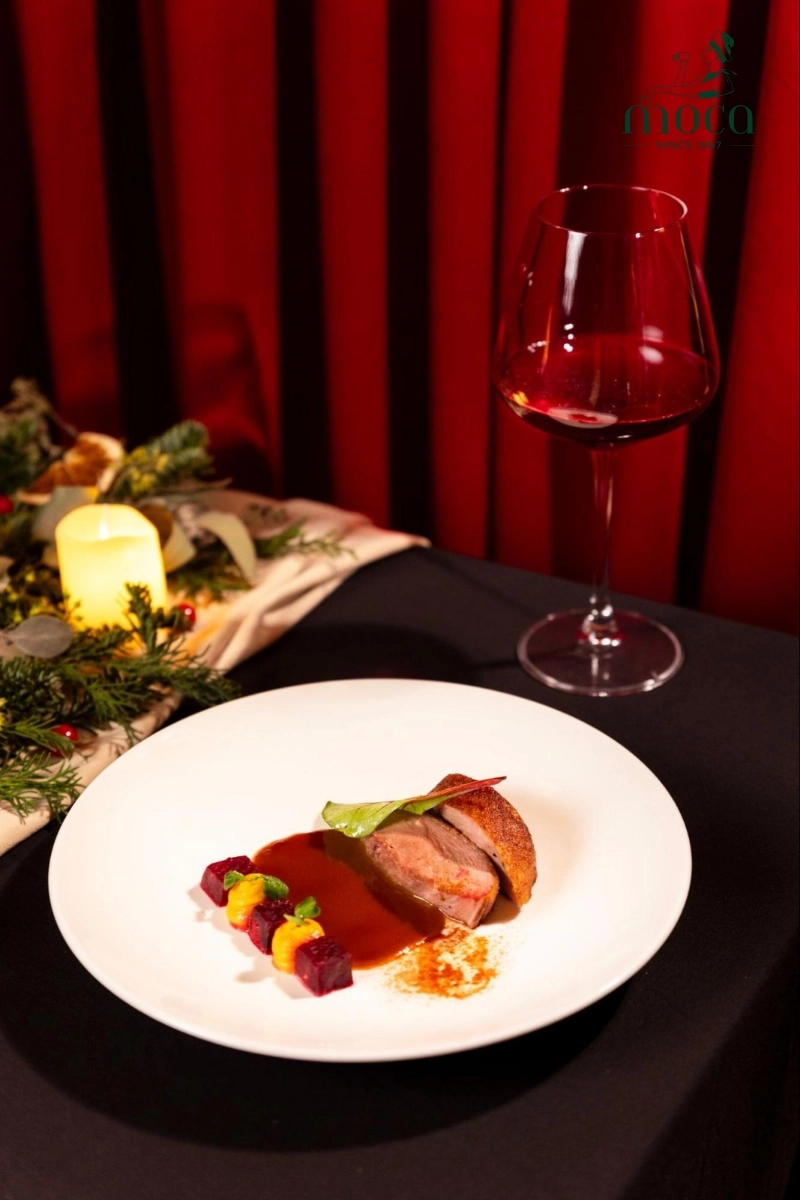
The Centerpiece: Roasted Meats
The heart of the feast is invariably a magnificent roast, a symbol of abundance and celebration.
- Turkey: In many Western traditions, the roasted turkey is the undisputed star. Its introduction to the Christmas table was popularized in the 16th century, but it was the Victorian era that cemented its status as the definitive centerpiece, celebrated for its capacity to feed a large family.
- Ham: A glazed, baked ham serves as a popular alternative or a sumptuous accompaniment. Often decorated with cloves and pineapple, its sweet and savory profile provides a delightful contrast to other elements of the meal.
- Goose or Duck: Before the rise of the turkey, goose was the bird of choice for Christmas, a tradition with ancient roots. Both goose and duck offer a richer, more intense flavor profile and a luxurious, succulent texture that speaks to the opulence of historical Christmas feasting.
1.2. Essential Accompaniments and Savory Sides
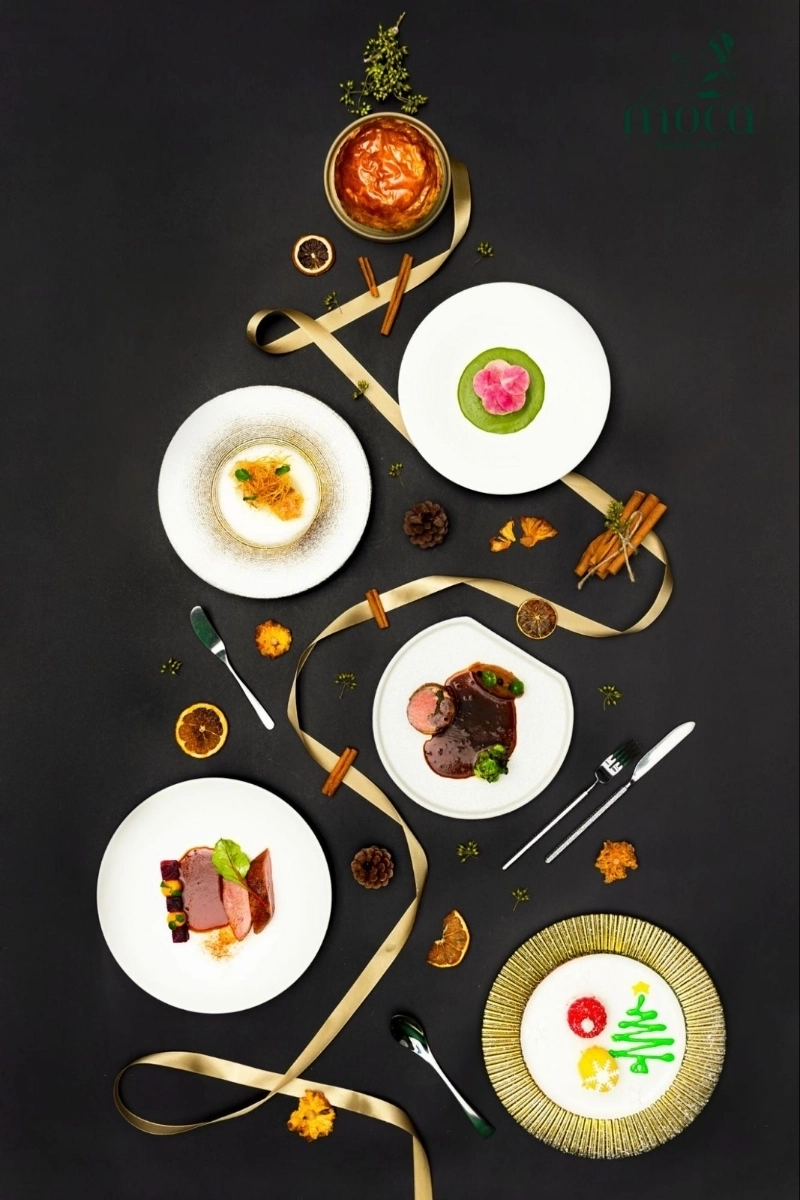
Essential Accompaniments and Savory Sides
No roast is complete without its supporting cast of classic sides, each playing a crucial role in the overall flavor harmony.
- Stuffing/Dressing: This aromatic, bread-based mixture is essential for adding moisture and a deep, savory flavor. Variations are endless, but classic examples include a traditional sage and onion stuffing, which offers herbaceous and pungent notes, or a more luxurious chestnut stuffing, providing a sweet, nutty earthiness.
- Gravy: An indispensable, rich sauce made from the drippings in the roasting pan. A well-made gravy unifies the entire plate, tying the meat, potatoes, and vegetables together with its deep, umami flavor.
- Cranberry Sauce: This is the tangy, vibrant counterpoint to the richness of the meal. Its bright acidity cuts through the fat of the roasted meat and gravy, cleansing the palate and adding a jewel-toned splash of color to the plate.
1.3. Classic Vegetable Dishes
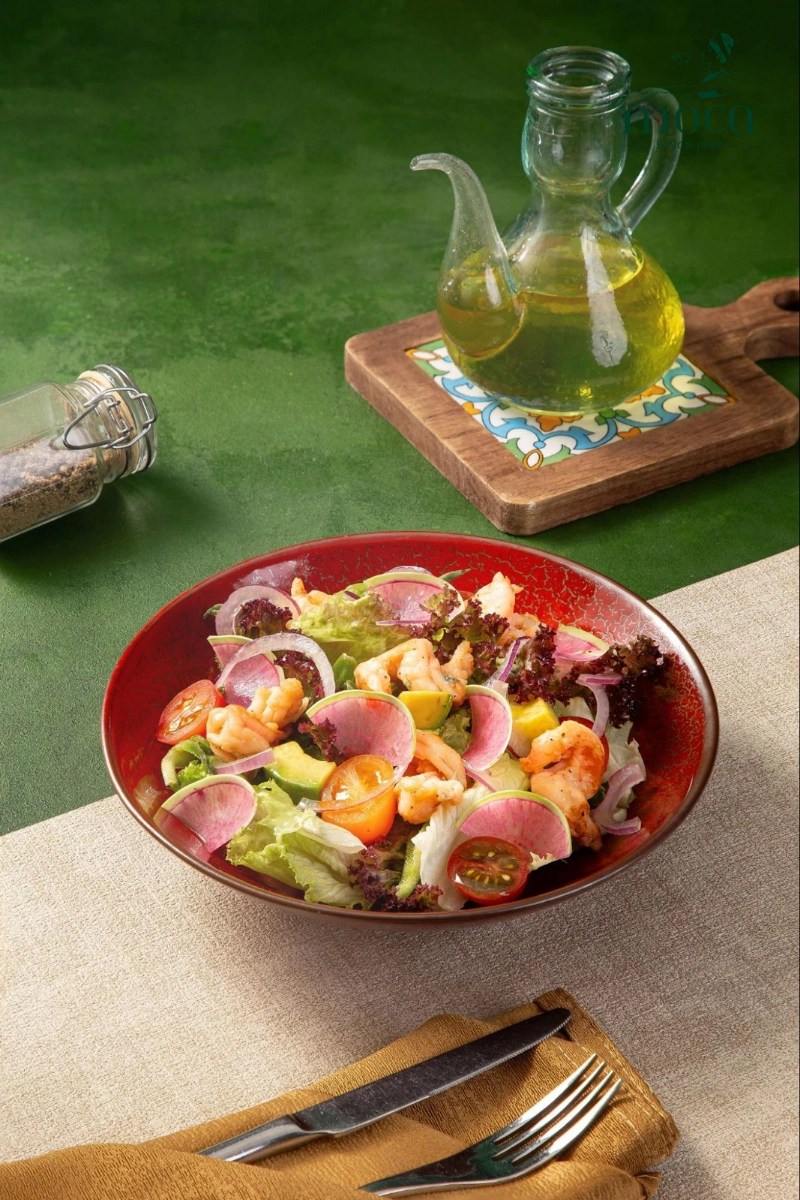
Classic Vegetable Dishes
The vegetable accompaniments are chosen for their ability to complement the main course and reflect the winter harvest.
- Roasted Potatoes: A non-negotiable element, prepared to be perfectly crispy and golden on the outside while remaining soft and fluffy on the inside. The choice of fat for roasting, such as goose or duck fat, can elevate them to an extraordinary level.
- Brussels Sprouts: Once a much-maligned vegetable, Brussels sprouts have been rightfully reclaimed by modern gastronomy. When properly prepared - often roasted until caramelized or pan-fried with bacon lardons or chestnuts - they offer a complex, nutty, and slightly bitter flavor that balances the meal.
- Glazed Carrots and Parsnips: Roasted with honey or maple syrup, these root vegetables provide a sweet and earthy element, their natural sugars caramelizing to create a delectable glaze that enhances their inherent flavor.
1.4. Decadent Desserts
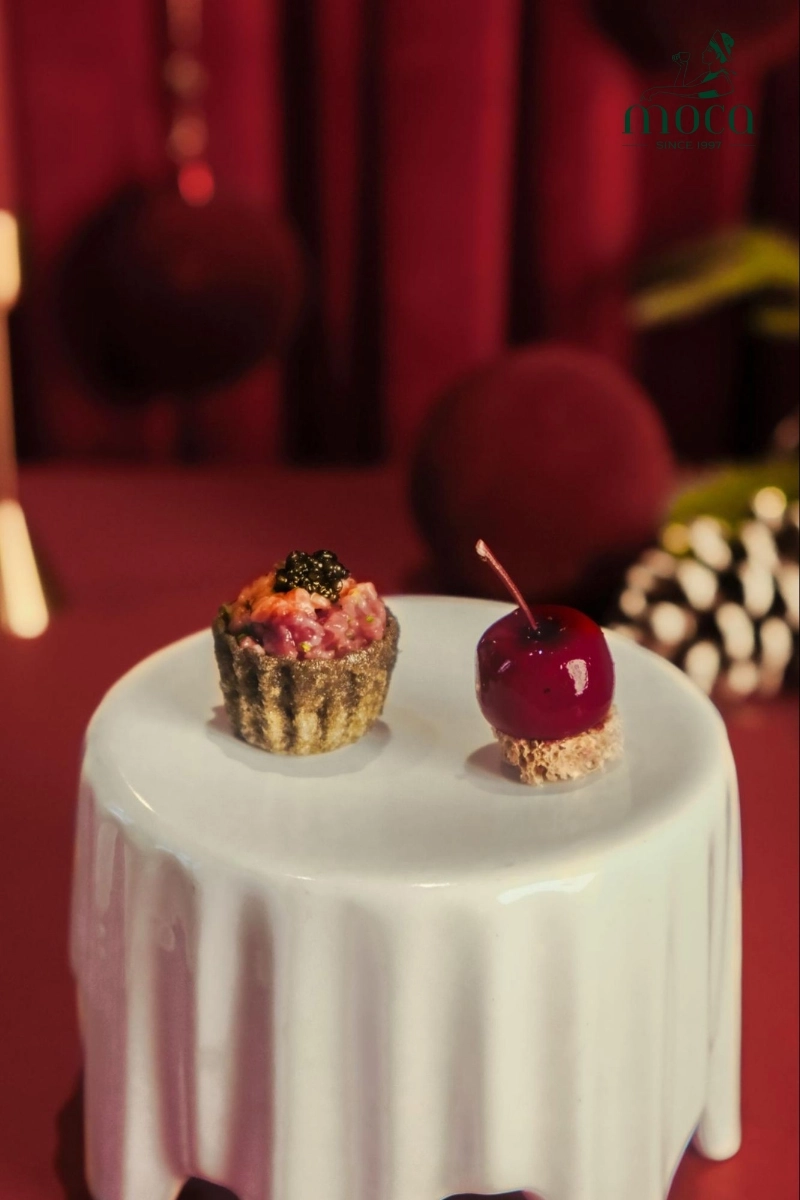
Decadent Desserts
The grand finale of the traditional Christmas dinner is a selection of decadent and symbolic desserts.
- Christmas Pudding (Plum Pudding): This is a rich, dark, steamed pudding made with dried fruits, spices, and suet. It is steeped in tradition; historically, families would gather to stir the pudding and make a wish. A silver coin was often hidden inside to bring wealth and good fortune to the person who found it. The dramatic presentation of flaming the pudding with warm brandy is a theatrical highlight of the meal.
- Mince Pies: These small, sweet tarts are filled with "mincemeat," a spiced mixture of dried fruits, suet, and spirits like brandy or rum. Their history dates back to the 13th century, when returning crusaders brought Middle Eastern recipes combining meat, fruit, and spices.
- Yule Log (Bûche de Noël): Particularly popular in French-influenced traditions, this is an elaborate chocolate sponge cake roulade, frosted to resemble a log. It symbolizes the traditional Yule log that was burned in the hearth to bring good luck for the coming year.
2. A Historical and Cultural Perspective on Christmas Feasting
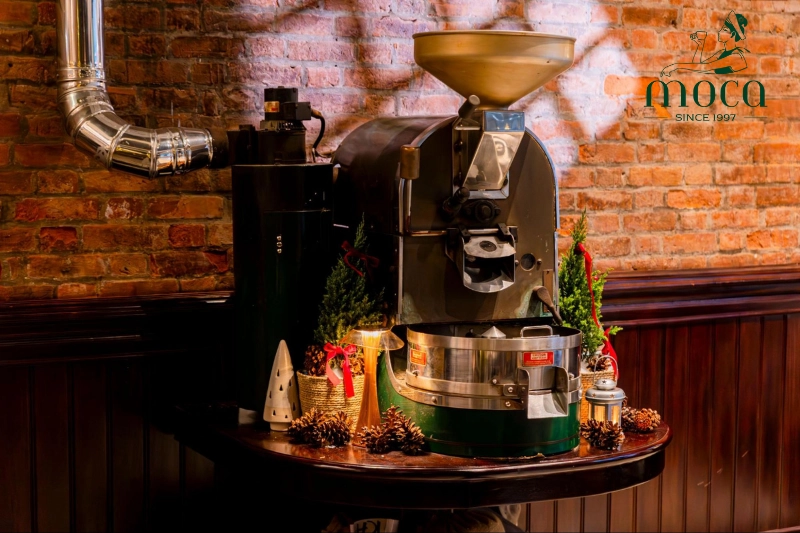
A Historical and Cultural Perspective on Christmas Feasting
The traditional Christmas dinner we know today is the result of centuries of evolution, with roots stretching back to pre-Christian winter solstice celebrations. These ancient feasts were vital for marking the darkest days of winter and celebrating the eventual return of the light, with feasting used as a powerful symbol of life and community.
The meal evolved significantly through the medieval and Tudor periods, but it was the Victorian era that truly codified the modern Christmas menu. As documented in historical texts and culinary records from the period, the influence of Queen Victoria and Prince Albert, combined with the vivid descriptions in Charles Dickens' "A Christmas Carol," helped popularize the turkey over the goose as the centerpiece. Publications like Mrs Beeton's Book of Household Management (1861) provided recipes and instructions that standardized these classic Christmas dishes for the rising middle class. While British and American traditions heavily feature turkey and pudding, other European variations include the "Feast of the Seven Fishes" in Italy and carp as the centerpiece in parts of Central Europe, each reflecting a unique cultural heritage.
3. Elevating the Traditional Christmas Dining Experience
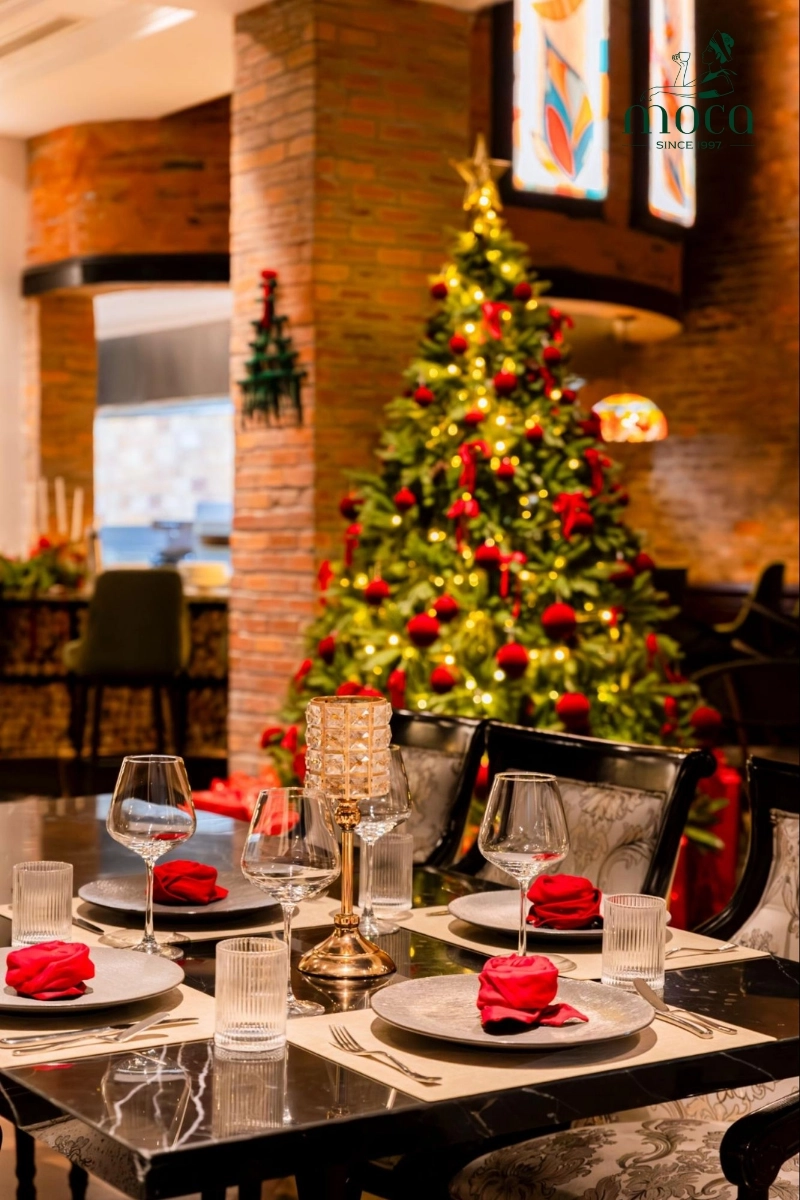
Elevating the Traditional Christmas Dining Experience
At a fine dining level, presenting a traditional Christmas dinner is an exercise in reverence and refinement. It is about honoring time-honored recipes while elevating them through exceptional ingredients and masterful technique.
3.1. The Pursuit of Authenticity and Premium Ingredients
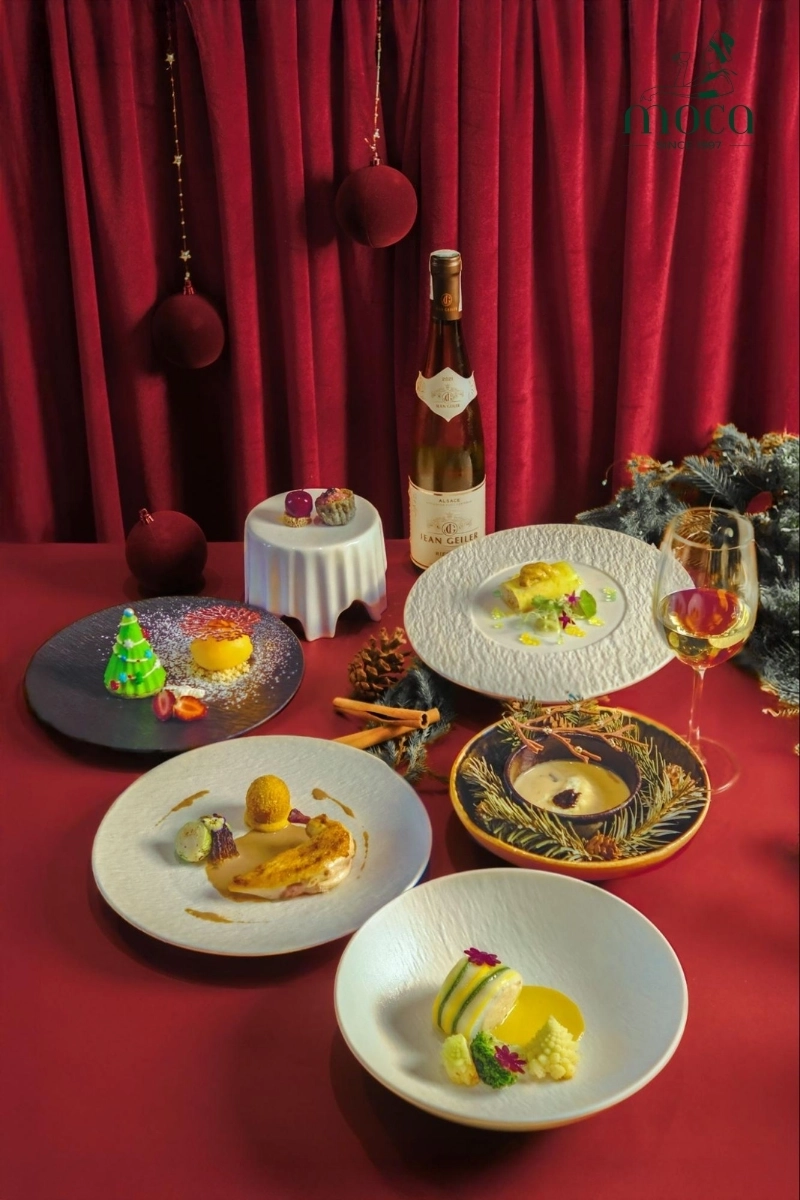
The Pursuit of Authenticity and Premium Ingredients
Recreating these dishes begins with a profound respect for their origins. This means sourcing the absolute finest ingredients available - heritage-breed turkeys, locally sourced winter vegetables, and spices from the world's best purveyors. The quality of each component has a direct and discernible impact on the final dish. For example, a free-range bronze turkey, raised slowly and naturally, possesses a depth of flavor and succulence that a mass-produced bird simply cannot replicate.
3.2. Culinary Craftsmanship and Ambiance
Culinary Craftsmanship and Ambiance
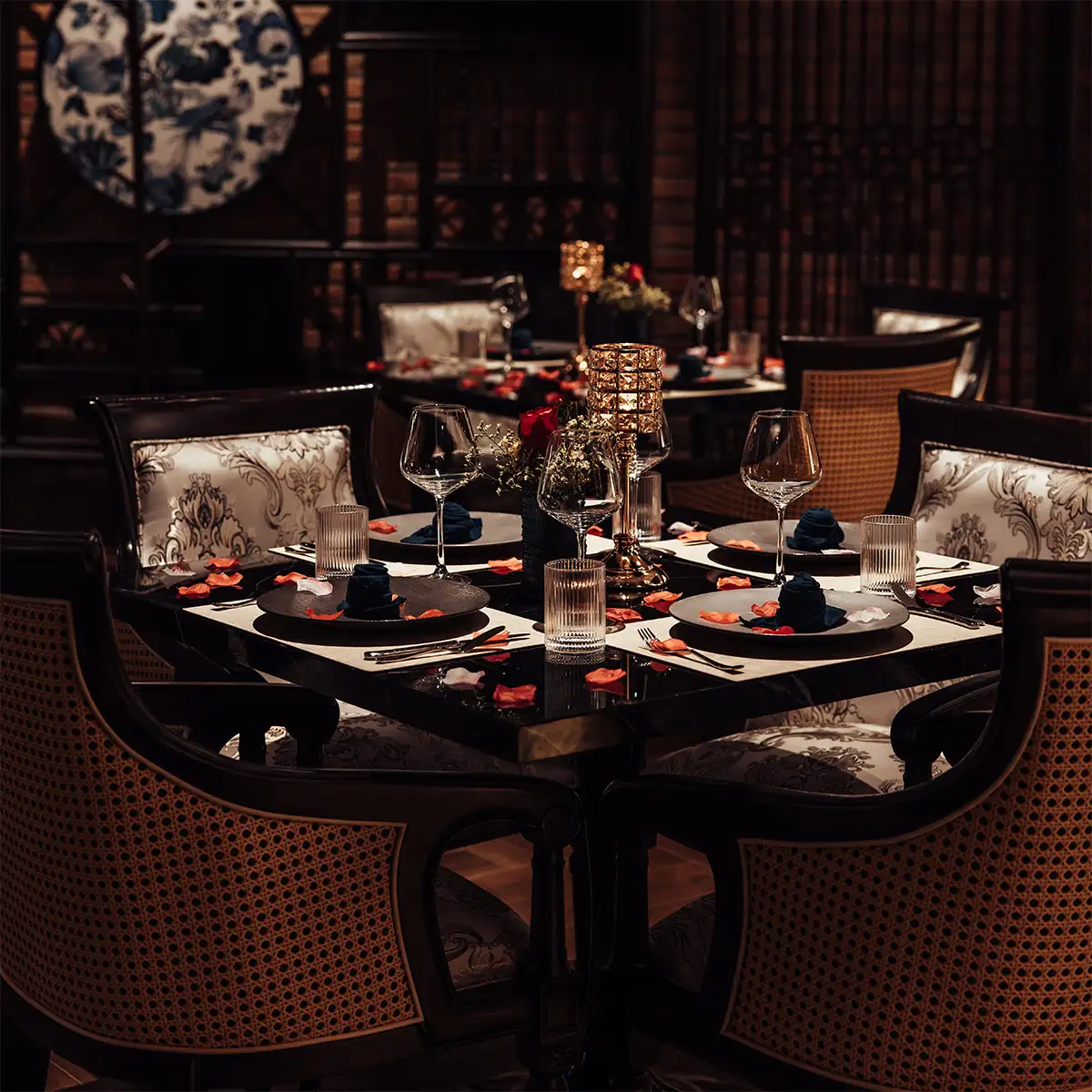
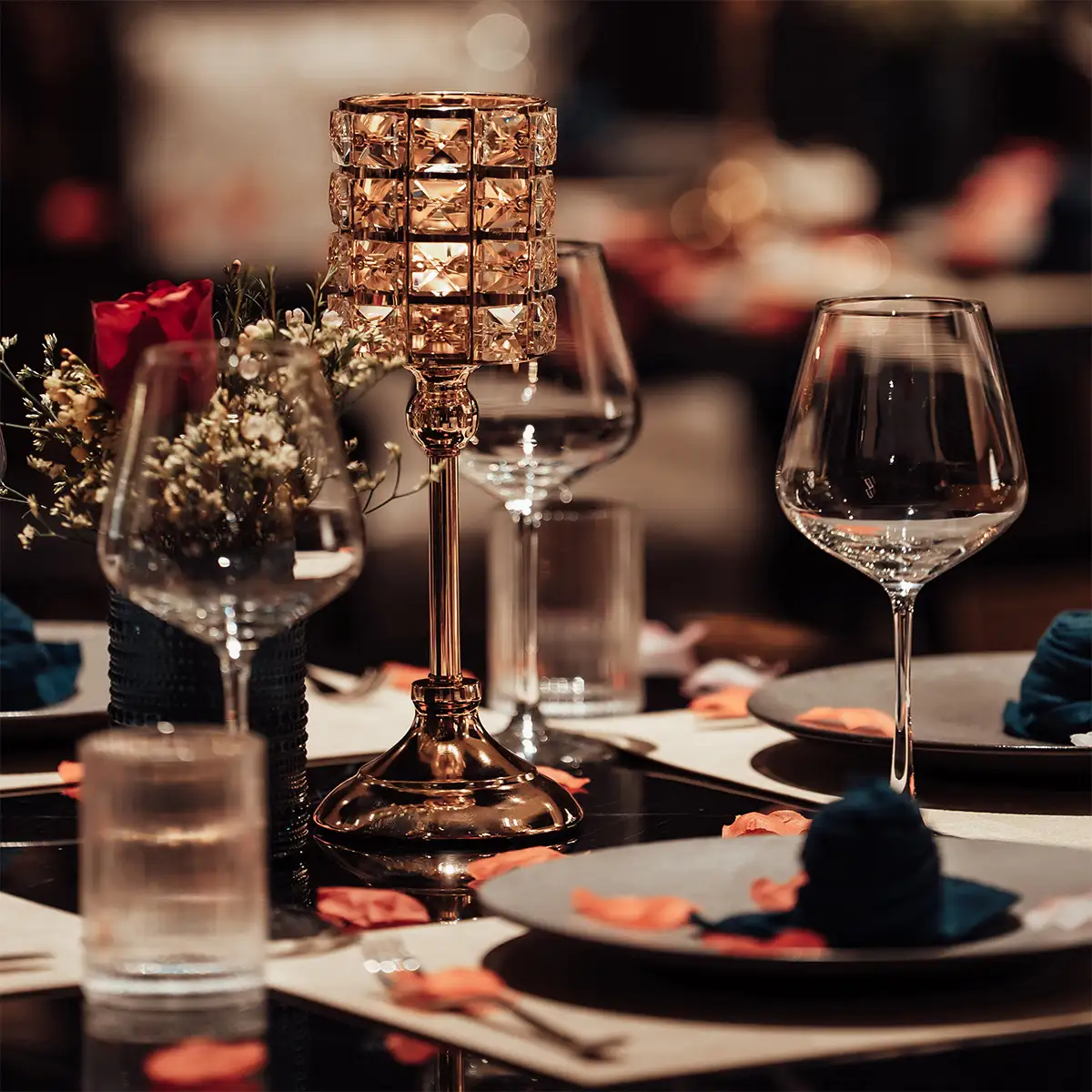
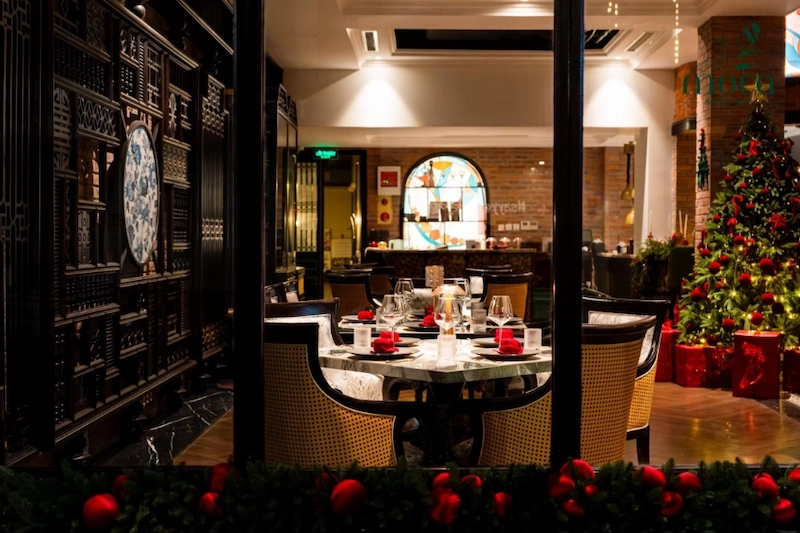
Beyond the recipe, the preparation of a truly memorable festive feast requires immense skill, passion, and attention to detail. It is about the precise roasting technique that yields perfectly crisp skin and moist meat, the patient simmering of a stock to create a complex gravy, and the delicate balance of spices in a Christmas pudding. This culinary artistry is complemented by the ambiance. An unforgettable festive dining experience is created not only by the food but also by the elegant decor, the warm lighting, and the attentive, unobtrusive service that allows guests to immerse themselves fully in the joy of the occasion.
4. Experience the Grandeur of Traditional Christmas at Moca Dining
Experience the Grandeur of Traditional Christmas at Moca Dining
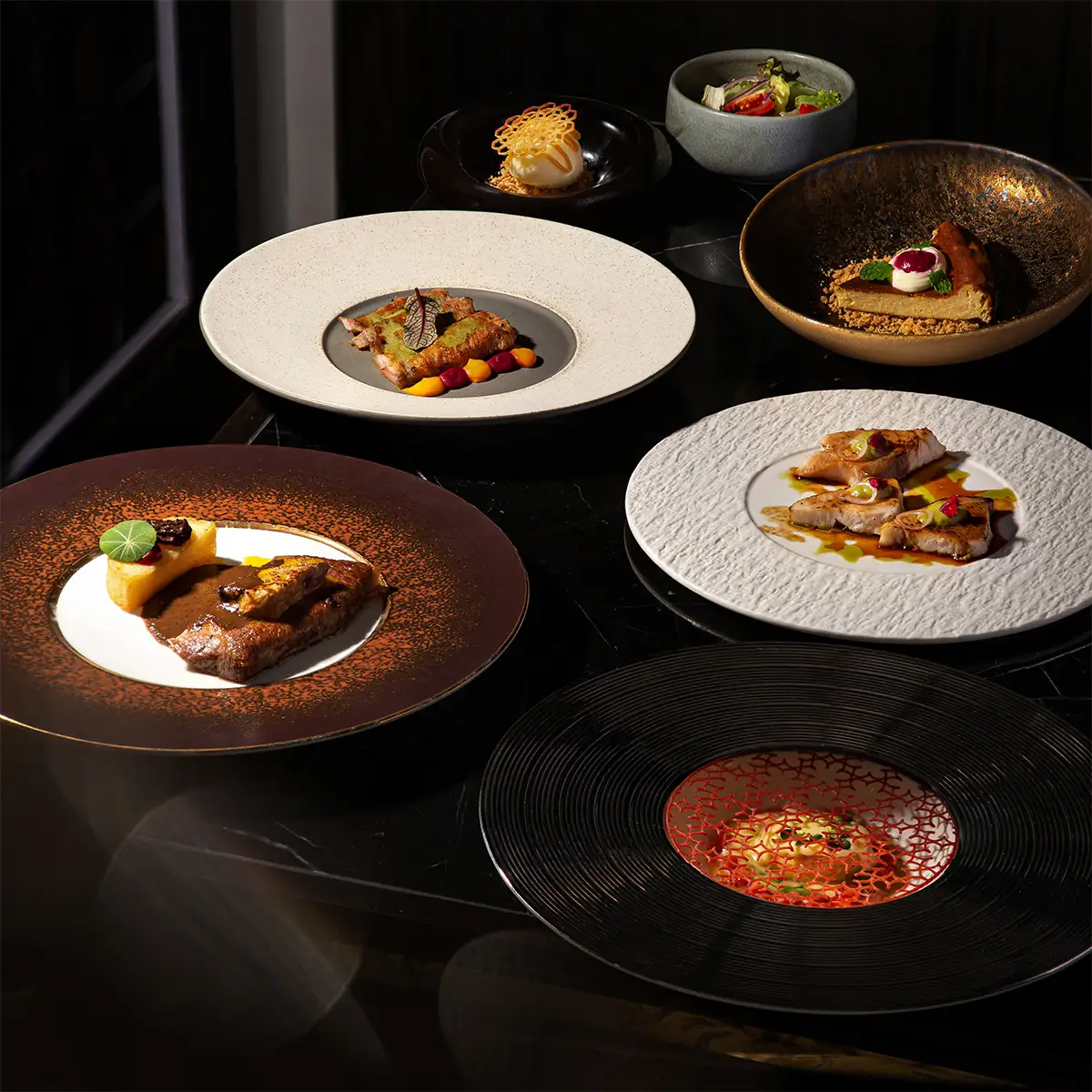
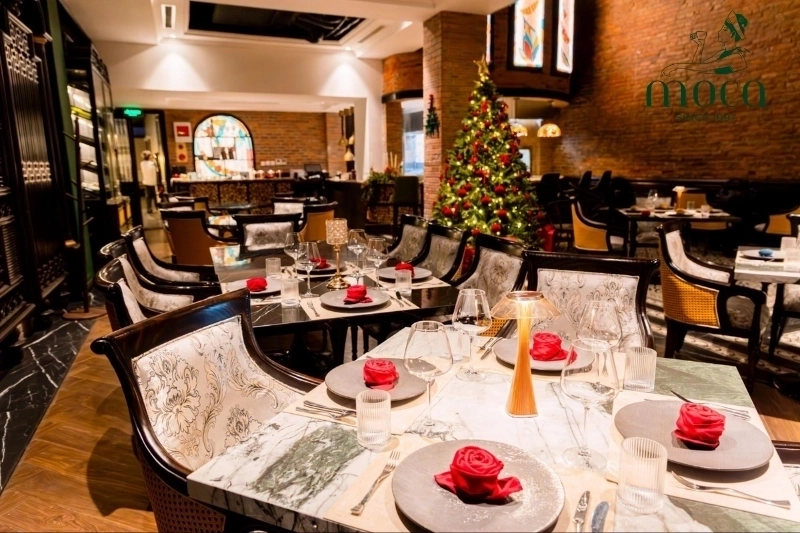
At Moca Dining, we are deeply committed to preserving and enhancing the traditional Christmas dinner. Our philosophy is to honor this rich culinary heritage while delivering an experience of unparalleled excellence and refinement.
We move beyond a rigid set menu, instead offering our esteemed guests the opportunity to craft their own perfect celebration from our comprehensive A La Carte Menu. This approach allows for a personalized, bespoke holiday meal that caters to individual tastes while adhering to the highest standards of quality and tradition. We invite you to discover your perfect festive meal by exploring our A La Carte offerings, where traditional flavors meet contemporary refinement.
The enduring appeal of the traditional Christmas dinner lies in its power to connect us to history, family, and the comforting rituals of the season. It is a culinary tradition rich with symbolism and flavor. At Moca Dining, we embody the true spirit of this tradition, meticulously crafting each dish to provide an exquisite and memorable dining experience. We encourage you to plan your festive celebration with us and savor the true essence of Christmas through our thoughtfully curated A La Carte menu.