








- 1. The essence of elevated dining in a historic setting
- 1.1. Why fine dining thrives in the old quarter
- 1.2. The key differentiators of old quarter fine dining
- 2. The culinary philosophy: Blending heritage and innovation
- 2.1. The foundation: Respect for local ingredients and tradition
- 2.2. The art of the tasting menu
- 2.3. Wine and beverage pairings
- 3. Moca Dining: Redefining luxury in the heart of the old quarter
- 4. The future of high-end gastronomy in the old quarter
The Hanoi Old Quarter, once known mainly for its street food and traditional dishes like Phở, is undergoing a culinary transformation. Today, it’s home to a new wave of old quarter restaurant experiences that redefine Hanoi fine dining. Here, "fine dining" is not just about price but about artistry, service, and ambiance. These restaurants blend the Old Quarter’s historic charm with modern gastronomy, creating world-class culinary destinations. Leading this evolution is the definitive old quarter restaurant, setting new standards in Vietnam’s dining scene.
1. The essence of elevated dining in a historic setting
The rise of high-end gastronomy in such a traditional locale is not a coincidence but a deliberate and powerful fusion of past and present. It represents a sophisticated dialogue between history and modernity.
1.1. Why fine dining thrives in the old quarter

Where modern culinary artistry meets timeless charm – fine dining flourishes in Hanoi’s Old Quarter.
The primary allure lies in the striking contrast between ancient architecture and contemporary culinary art. Discerning patrons, both local connoisseurs and international travelers, are no longer seeking just a meal; they are seeking a narrative. The experience of savoring a meticulously crafted, avant-garde dish within the walls of a restored French colonial villa or a centuries-old shophouse creates a unique, globally appealing atmosphere that cannot be replicated.
This demand for sophisticated, high-quality experiences has fueled the growth of establishments committed to delivering more than just food, but a complete sensory journey. This is the new standard for luxury dining Hanoi.
1.2. The key differentiators of old quarter fine dining
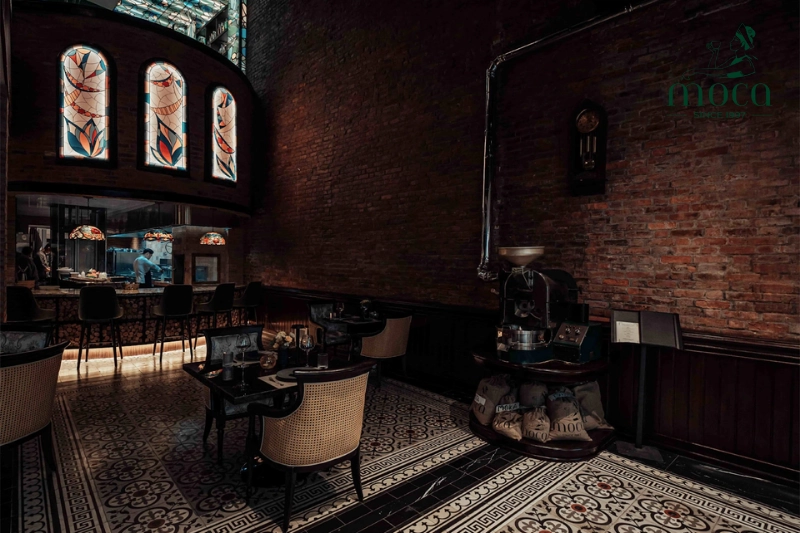
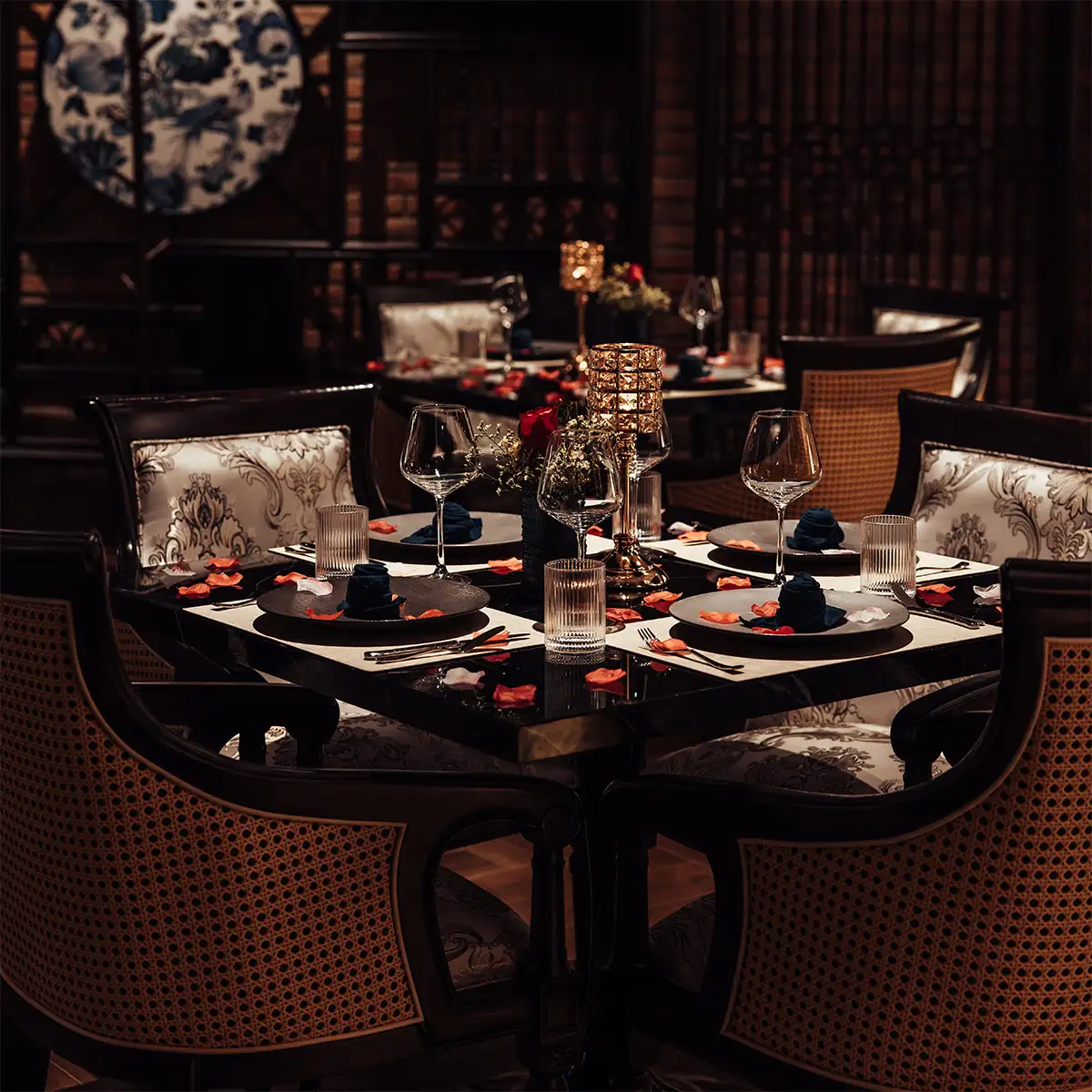
Heritage ambiance and flawless service — the essence of fine dining in Hanoi’s Old Quarter.
What sets this new wave of restaurants apart is an uncompromising commitment to two core principles: atmosphere and service.
- Atmosphere and design: The most distinguished venues are not merely built but curated. Heritage buildings are respectfully restored, with interior designs that honor the past while embracing modern luxury. For example, many establishments utilize traditional materials like dark wood and polished lacquerware, juxtaposed with contemporary art installations and bespoke lighting. This creates a sanctuary of elegance, a quiet retreat from the bustling streets outside, making the historic setting dining a core part of the appeal.
- Impeccable service standards: The service is as choreographed as the cuisine. Staff are not just servers; they are ambassadors of the experience, trained to international fine dining protocols. This includes an anticipatory, non-intrusive attentiveness, a deep knowledge of the menu and its provenance, and the ability to offer personalized recommendations. Every detail, from the crispness of the linen to the precise placement of silverware, is executed with intention.
2. The culinary philosophy: Blending heritage and innovation
The soul of the Hanoi's culinary landscape in the fine dining sphere is a philosophy that respects tradition while relentlessly pursuing innovation. It is a delicate balance, mastered only by the most skilled chefs.
2.1. The foundation: Respect for local ingredients and tradition
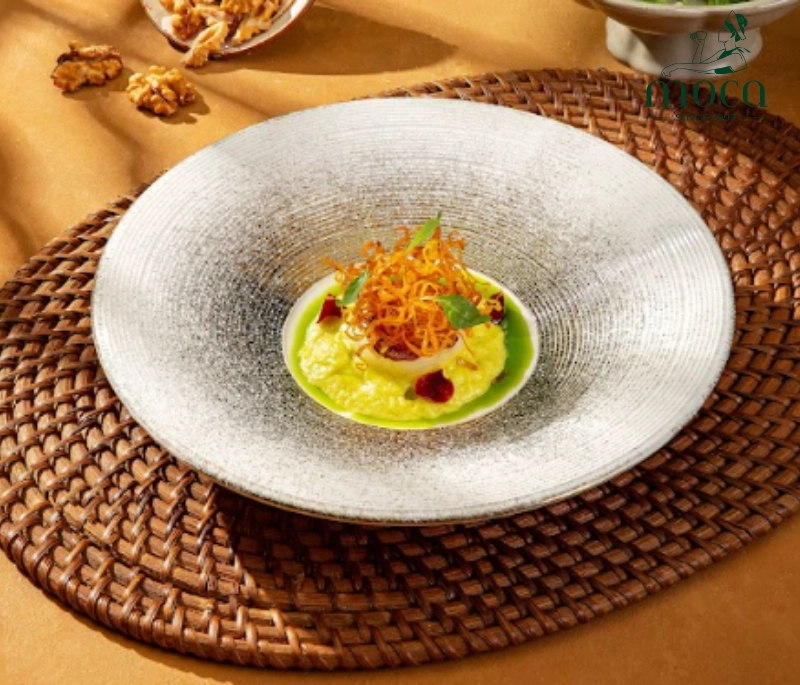
Wild betel leaf and banana blossom — humble ingredients, elegantly reimagined.
The journey begins with a profound respect for Vietnamese ingredients. Chefs are increasingly looking beyond common produce to explore the rich biodiversity of the nation. For instance, instead of a standard herb garnish, a dish might feature a delicate foam derived from Lá Lốt (Wild Betel Leaf), lending its unique peppery and earthy notes to a pan-seared sea bass.
Similarly, the humble banana blossom (Hoa Chuối), a staple in rustic salads, might be finely julienned and pickled to provide a crisp, acidic counterpoint to a rich, slow-cooked pork belly. This is not about abandoning traditional recipes, but about deconstructing and reinterpreting them to reveal their essence in a new, refined context.
2.2. The art of the tasting menu
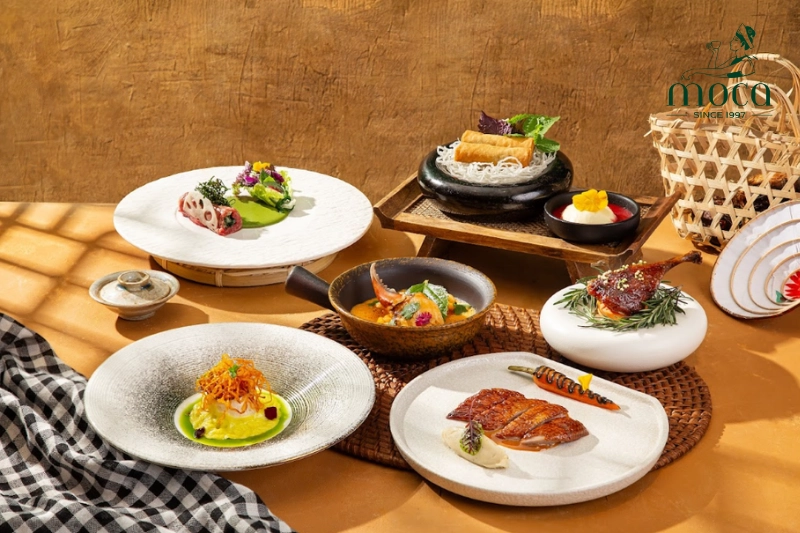
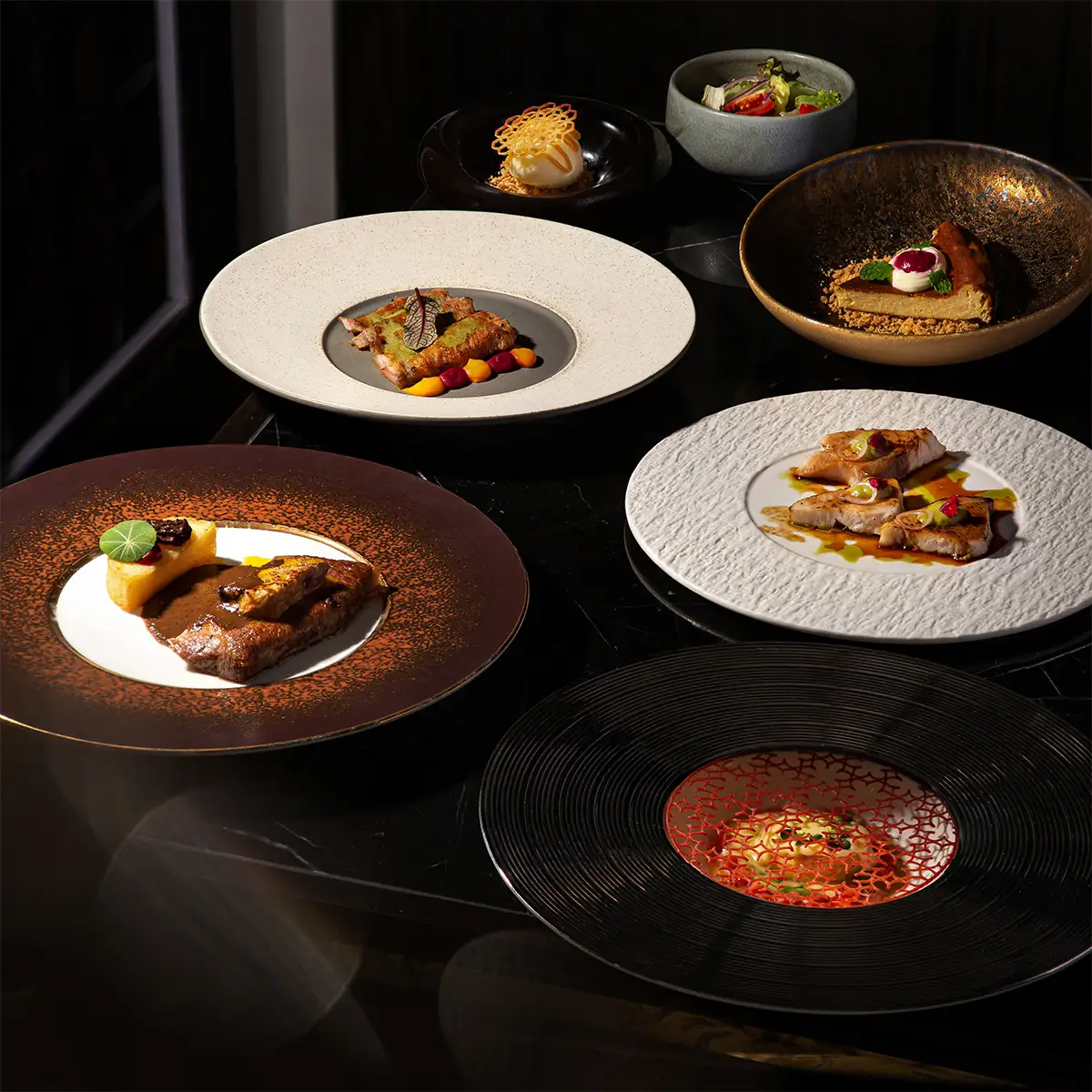
The culinary journey — an emotional story told through each course of the tasting menu.
The tasting menu, or "Chef's Journey," is the ultimate expression of this culinary philosophy. It is a narrative told through a sequence of courses, each designed to evoke a memory, a place, or an idea. This multi-sensory culinary experience is grounded in scientific principles. Research in the field of crossmodal perception, notably by Professor Charles Spence at the University of Oxford, has demonstrated how non-food-related stimuli can profoundly alter our perception of taste and enjoyment.
A study published in the journal Flavour confirms that elements like the color of the plate, the weight of the cutlery, and even the ambient sound ("sonic seasoning") can enhance or diminish specific flavor profiles. The finest chefs in Hanoi are masters of this art, orchestrating not just flavor and texture, but also aroma, visual presentation, and sound to create a truly immersive and memorable gourmet food Hanoi experience.
2.3. Wine and beverage pairings
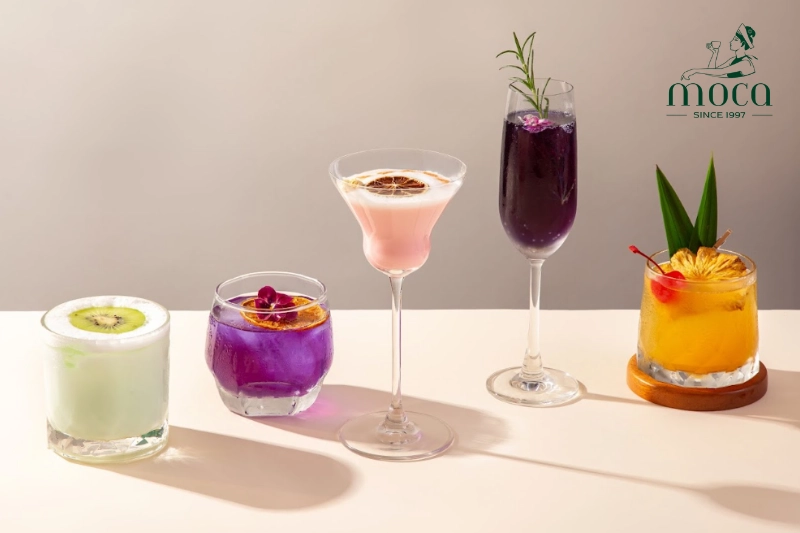
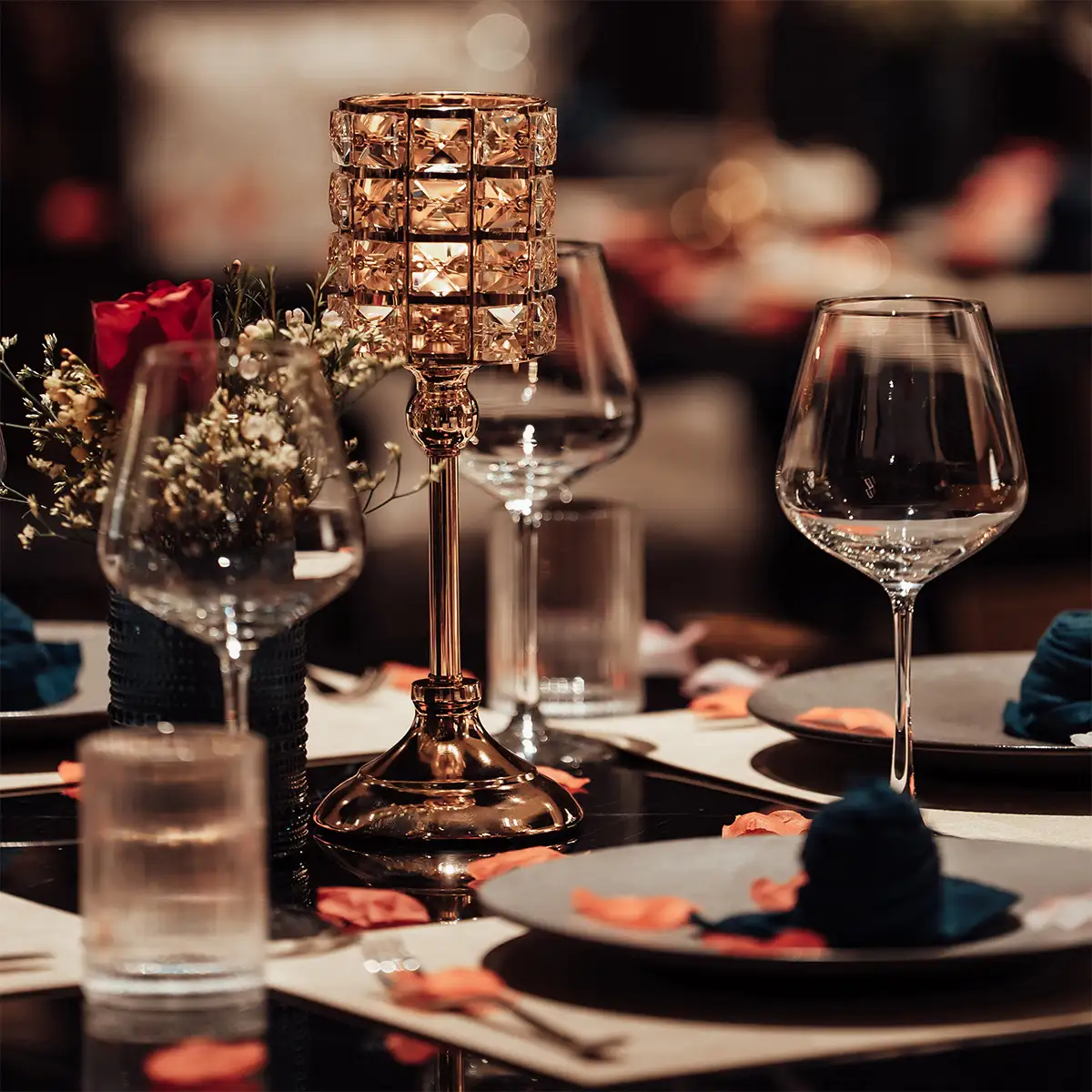
Perfect harmony: Wine, cocktails, and traditional drinks elevate the dining experience.
A world-class dining experience is incomplete without an exceptional beverage program. The role of the sommelier has become paramount. They curate extensive wine lists featuring both celebrated Old World vintages and exciting New World discoveries, specifically chosen to complement the complex flavor profiles of modern Vietnamese cuisine.
Beyond wine, the focus extends to premium spirits, inventive craft cocktails infused with local herbs like lemongrass and perilla, and sophisticated non-alcoholic pairings, such as fermented teas and artisanal fruit-based shrubs, ensuring every guest receives a perfectly harmonized experience.
3. Moca Dining: Redefining luxury in the heart of the old quarter
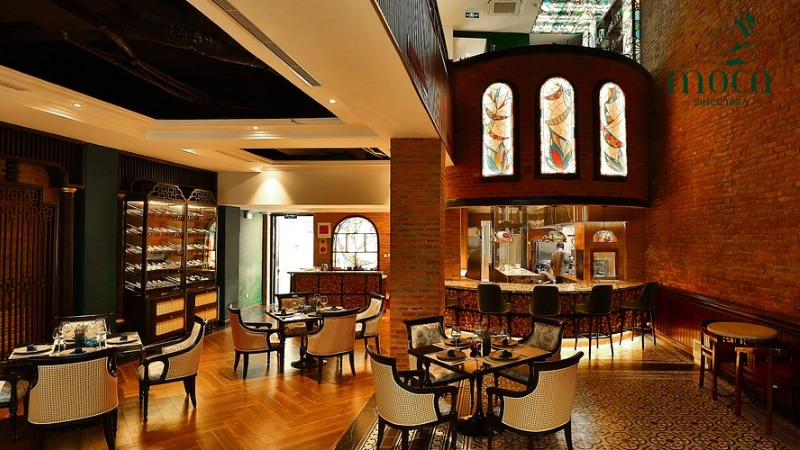
Moca Dining: The pinnacle of luxury and culinary excellence in Hanoi’s Old Quarter.
While many establishments contribute to this culinary renaissance, Moca Dining stands as the definitive destination for the discerning diner seeking the pinnacle of the Old Quarter’s evolution. We are not just another old quarter restaurant; we are the standard-bearer for this new era of excellence.
Our culinary focus is on contemporary European cuisine, executed with technical precision and imbued with the subtle grace of Vietnamese ingredients and philosophies. We position ourselves as the best restaurant in Hanoi Old Quarter for those who appreciate nuance, innovation, and uncompromising quality. Our mission is to provide an experience that is both intellectually stimulating and deeply satisfying.
Every element of the Moca Dining experience is a testament to our commitment to detail.
- Signature dishes and menu highlights: Consider our "Red River Delta Duck," a dish that exemplifies our ethos. The duck is dry-aged for 14 days to concentrate its flavor, then slow-roasted and glazed with a reduction of black garlic from Lý Sơn Island and wild forest honey. It is served with a silky taro root purée and pickled lotus stems, a modern homage to the region's agricultural heritage.
- Architectural and historical integration: Housed within a meticulously restored 1920s French colonial villa, Moca Dining offers a sanctuary of modern luxury. The original ironwork, high ceilings, and wooden floors have been preserved, creating a dialogue with our minimalist, elegant interior design. The space itself honors the Old Quarter's heritage while providing a tranquil and sophisticated environment for our guests.
Our unwavering commitment to gastronomic excellence has not gone unnoticed. Moca Dining is consistently celebrated by international food critics and has been featured in prestigious culinary journals for its innovative approach and flawless execution, cementing our reputation as a leader in Hanoi fine dining.
4. The future of high-end gastronomy in the old quarter
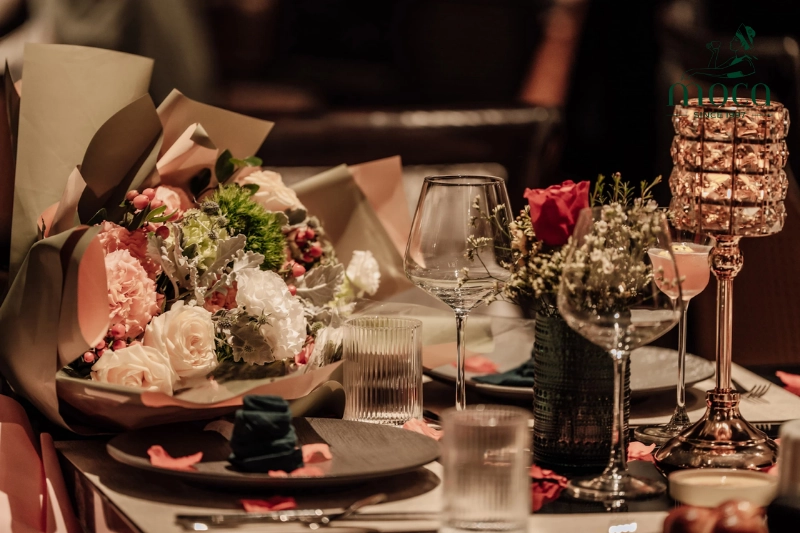
The future of high-end gastronomy in the Old Quarter: A relentless pursuit of excellence positioning Hanoi among the world’s premier culinary destinations.
The journey of the Old Quarter's dining scene is an ongoing one, marked by both opportunity and challenge.
Maintaining world-class standards requires relentless dedication. For fine dining establishments, this involves navigating the challenges of consistent ingredient sourcing, continuous staff training, and the constant pressure to innovate while preserving a core identity. It is a commitment to excellence that separates the truly great from the merely good.
The evolution of the old quarter restaurant scene is a significant development on the world stage. It is positioning Hanoi firmly on the international culinary map, placing it in conversation with established global dining destinations like Singapore, Bangkok, and Hong Kong. This is not just about food; it is about cultural diplomacy, showcasing the sophistication and dynamism of modern Vietnam.
The Hanoi Old Quarter has gracefully evolved. It is no longer solely a haven for street food but has matured into a serious, globally recognized destination for fine dining Old Quarter experiences. The modern old quarter restaurant is now synonymous with a journey of culture, history, and uncompromising luxury, all served on one plate. For an experience that encapsulates both the rich history and the brilliant future of Hanoi's culinary landscape, a reservation at Moca Dining is not just a choice, but an essential step in understanding the city's gastronomic soul.