







- 1. The Bedrock of Culinary Excellence: Defining European Culinary Techniques
- 1.1. A Legacy of Precision and Innovation
- 1.2. Core Principles: From Classical to Contemporary
- 2. Foundational European Techniques and Their Transformative Power
- 2.1. Mastering Heat: Sautéing, Roasting, and Braising
- 2.2. The Art of Emulsification and Classical Sauces
- 2.3. Precision in Preparation: Butchery, Knife Skills, and Mise en Place
- 2.4. Modern Adaptations and Molecular Gastronomy Influences
- 3. Elevating the Dining Experience Through Technique
- 3.1. Consistency and Quality Assurance
- 3.2. Flavor Development and Texture Mastery
- 3.3. Aesthetic Presentation and Culinary Artistry
- 4. Moca Dining: Where European Techniques Meet Vietnamese Soul
- 4.1. Harmonizing Traditions: The Moca Dining Approach to Fusion
- 4.2. Signature Dishes Showcasing Technical Mastery
- 4.3. The Moca Dining Commitment to Culinary Excellence
The enduring legacy of European cuisine is a cornerstone of global gastronomy, a testament to centuries of refinement and innovation. At the heart of this profound influence lies a rich tapestry of methods, perfected and passed down through generations. This article delves into the foundational European Culinary Techniques, exploring their principles, transformative power, and how Moca Dining masterfully integrates these methods to elevate its unique Vietnamese-Western fusion menu, delivering an unparalleled dining experience.
1. The Bedrock of Culinary Excellence: Defining European Culinary Techniques
The Bedrock of Culinary Excellence: Defining European Culinary Techniques
1.1. A Legacy of Precision and Innovation
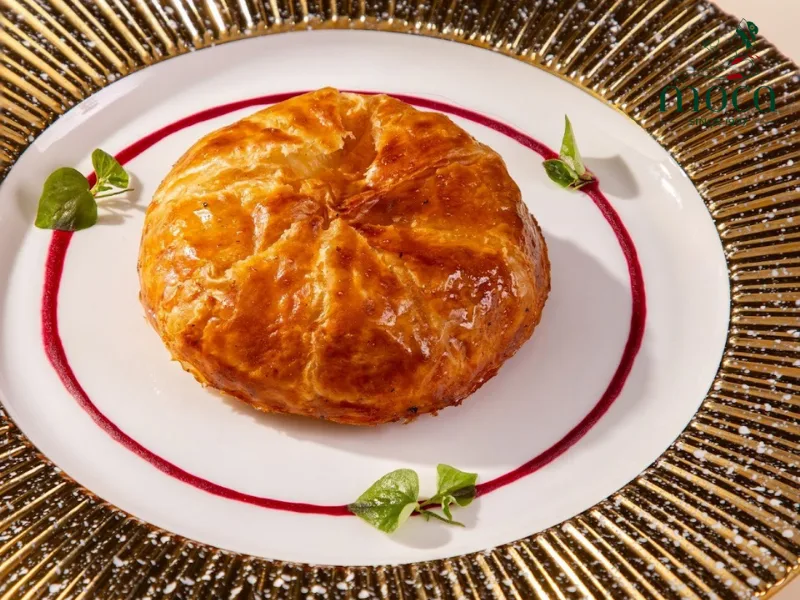
The evolution of European Culinary Techniques is a story of transformation, from the hearty necessities of medieval banquets to the meticulous artistry of classical French cuisine. What began as functional methods for preserving and cooking food gradually evolved into a sophisticated system governed by principles of precision, control, and a scientific understanding of ingredients. This pursuit of perfection established a standard for culinary excellence that continues to define the world’s most acclaimed kitchens.
1.2. Core Principles: From Classical to Contemporary
At their core, these culinary methods are designed to achieve three primary objectives: extracting maximum flavor, creating specific and desirable textures, and ensuring impeccable aesthetic appeal. They are not merely recipes but a philosophy of cooking that provides the foundational grammar for the culinary arts. This universal language is adaptable across diverse cuisines, allowing chefs to apply proven principles to a world of ingredients, forming the basis for both classical and contemporary creations.
2. Foundational European Techniques and Their Transformative Power
Foundational European Techniques and Their Transformative Power
2.1. Mastering Heat: Sautéing, Roasting, and Braising
The precise application of heat is arguably the most fundamental skill in any kitchen. Three distinct techniques demonstrate this mastery:
- Sautéing (from the French sauter, "to jump"): This method involves cooking food quickly in a hot pan with a small amount of fat. The high heat develops a flavorful, browned crust (the Maillard reaction) while preserving the ingredient's interior tenderness and moisture. It is a technique of speed and precision.
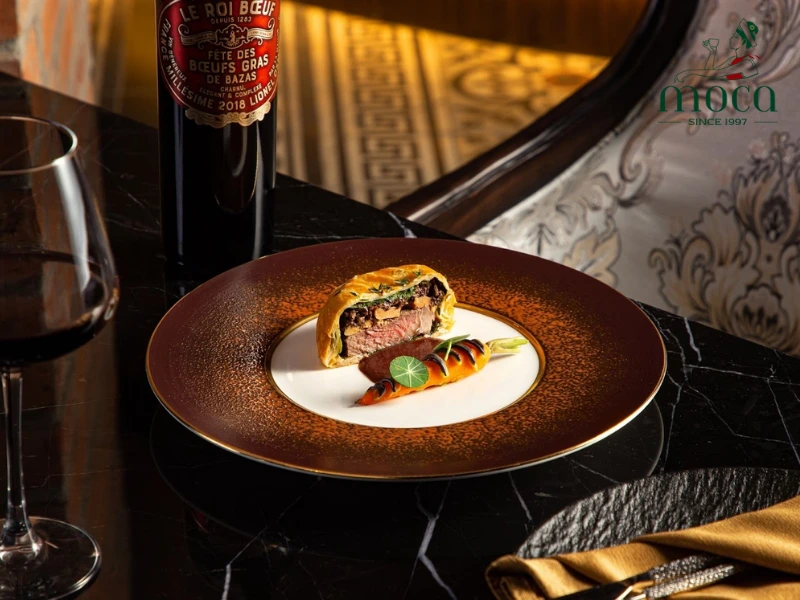
- Roasting (from the French rôtir): A dry-heat cooking method, typically done in an oven, where hot air envelops the ingredient. Roasting is ideal for creating a beautifully browned, crisp exterior and a succulent, evenly cooked interior, particularly for larger cuts of meat, poultry, and vegetables.
- Braising (from the French braiser): This combination cooking method starts with searing the ingredient at a high temperature and then simmering it slowly in a covered pot with a moderate amount of liquid. Braising is the art of patience, designed to break down tough connective tissues in meat, transforming them into gelatin for a rich, fall-apart texture and deeply complex flavor.
To illustrate, consider how a simple carrot is transformed by these techniques. Carrots can be quickly sautéed for a vibrant, crisp-tender side; slow-roasted to caramelize their natural sugars and intensify their sweetness; or braised with aromatics for a rich, meltingly soft, and comforting accompaniment.
2.2. The Art of Emulsification and Classical Sauces
The Art of Emulsification and Classical Sauces
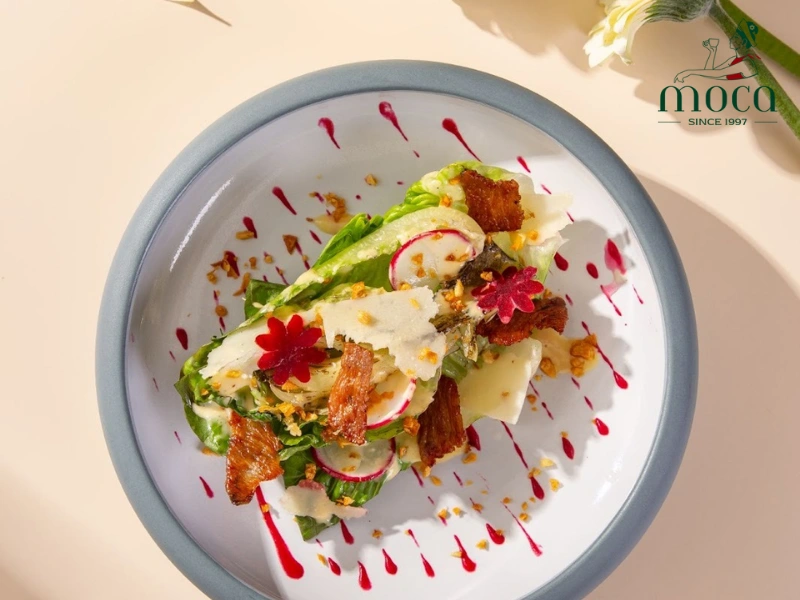
An emulsification is the chemical process of combining two liquids that do not normally mix, such as oil and vinegar, into a stable, homogenous mixture. This principle is the secret behind iconic sauces like mayonnaise and hollandaise.
This concept is the cornerstone of the five French "mother sauces," the building blocks of classical sauce-making: Béchamel (milk-based), Velouté (white stock-based), Espagnole (brown stock-based), Hollandaise (egg yolk and butter emulsification), and Tomate (tomato-based). Their importance cannot be overstated; they provide moisture, richness, and a profound depth of flavor. For example, a simple chicken Velouté can be enriched with cream and egg yolks to become a Sauce Allemande, or with cream and mushroom reductions to create a Sauce Suprême, showcasing the incredible versatility of these foundational techniques.
2.3. Precision in Preparation: Butchery, Knife Skills, and Mise en Place
Excellence in the kitchen begins long before heat is applied. Professional butchery ensures that every cut of meat is properly prepared to maximize its potential and minimize waste. This respect for the ingredient is fundamental to fine dining.
Equally critical are expert knife skills (taille). The ability to consistently and accurately cut vegetables and other ingredients is essential not only for elegant presentation but also for ensuring everything cooks evenly. This precision is a hallmark of a disciplined chef.
This discipline is encapsulated in the philosophy of mise en place, which translates to "everything in its place." It is the rigorous practice of preparing and organizing all ingredients and equipment before service begins. Mise en place ensures a kitchen operates with calm efficiency, consistency, and a seamless workflow, allowing the chef to focus entirely on the art of cooking.
2.4. Modern Adaptations and Molecular Gastronomy Influences
Modern Adaptations and Molecular Gastronomy Influences
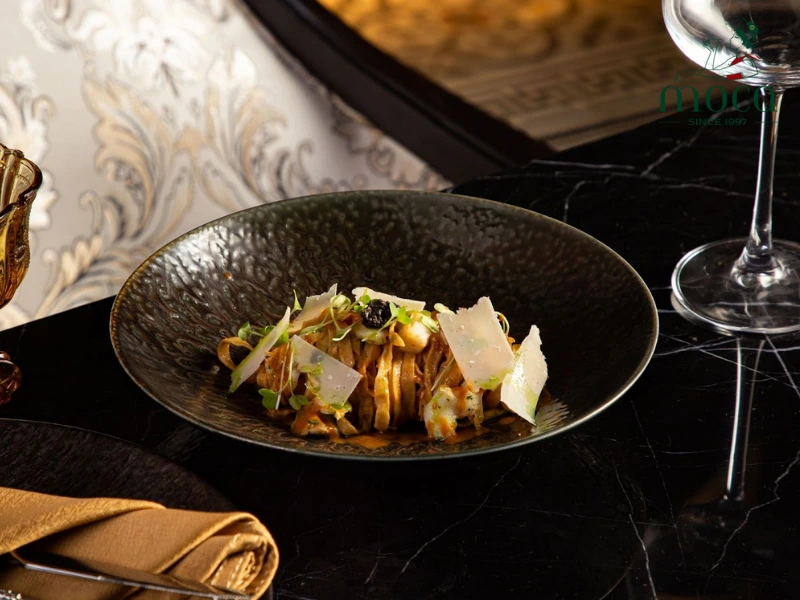
While rooted in tradition, European Culinary Techniques are not static. Modern kitchens have embraced technology to refine these methods. The application of precise temperature control through sous vide, for instance, allows for uniform protein denaturation, resulting in perfectly cooked meats with unparalleled tenderness and moisture retention - a scientific advancement from traditional roasting. This technique is detailed in studies on low-temperature, long-time cooking, which confirm its ability to optimize texture and flavor.
Furthermore, principles of molecular gastronomy have introduced novel approaches. Techniques like spherification, which uses the reaction of sodium alginate and calcium chloride to create liquid-filled spheres, leverage a scientific understanding of gelling agents to create surprising new textures and flavor experiences. This is precision cooking at a microscopic level.
3. Elevating the Dining Experience Through Technique
3.1. Consistency and Quality Assurance
The rigorous application of standardized culinary methods is what guarantees consistency. In a fine dining establishment like Moca Dining, it ensures that a signature dish prepared on a Tuesday is identical in its excellence to one served on a Saturday. This reliability is the foundation of trust between a restaurant and its discerning guests.
3.2. Flavor Development and Texture Mastery
Techniques are the tools a chef uses to unlock the full potential of an ingredient. A perfect sear creates complex, savory notes, while slow braising builds layers of deep, comforting flavor. By mastering these techniques, a chef can orchestrate a symphony of textures on a single plate - the crispness of a skin, the creaminess of a purée, the tenderness of a protein - creating a multi-sensory experience that is both exciting and satisfying.
3.3. Aesthetic Presentation and Culinary Artistry
Precision in preparation and cooking contributes directly to the visual beauty of a dish. Clean cuts, vibrant colors preserved through proper cooking, and elegantly constructed sauces transform food into edible art. This culinary artistry turns the plate into a canvas, where every element is placed with intention to create a balanced, harmonious, and visually stunning composition.
4. Moca Dining: Where European Techniques Meet Vietnamese Soul
Moca Dining: Where European Techniques Meet Vietnamese Soul
4.1. Harmonizing Traditions: The Moca Dining Approach to Fusion
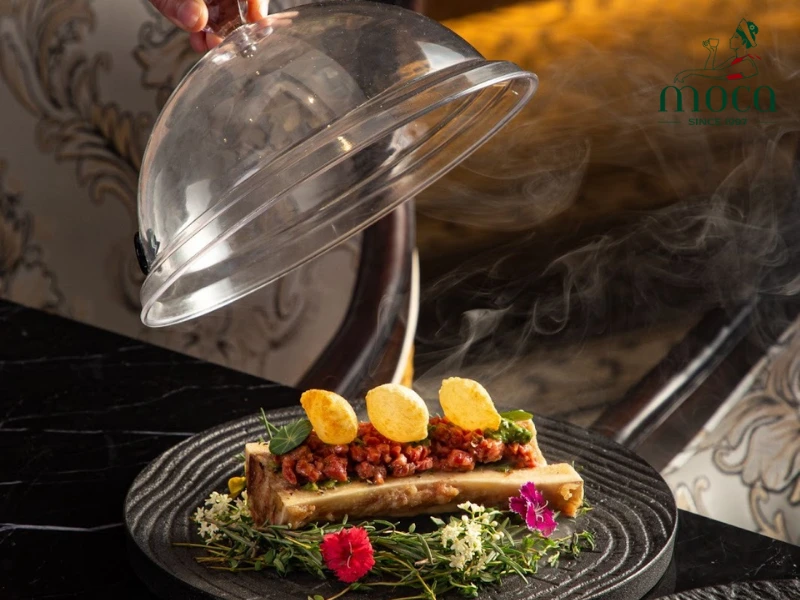
At Moca Dining, our philosophy of Vietnamese-Western fusion is not about simply placing two cuisines on one plate. It is about a thoughtful and respectful integration, where the time-honored precision of European Culinary Techniques is used to elevate the vibrant, fresh, and aromatic flavors of Vietnamese ingredients. We apply the structure and discipline of French culinary mastery to enhance, not overpower, the delicate balance that makes Vietnamese food so beloved.
4.2. Signature Dishes Showcasing Technical Mastery
Signature Dishes Showcasing Technical Mastery
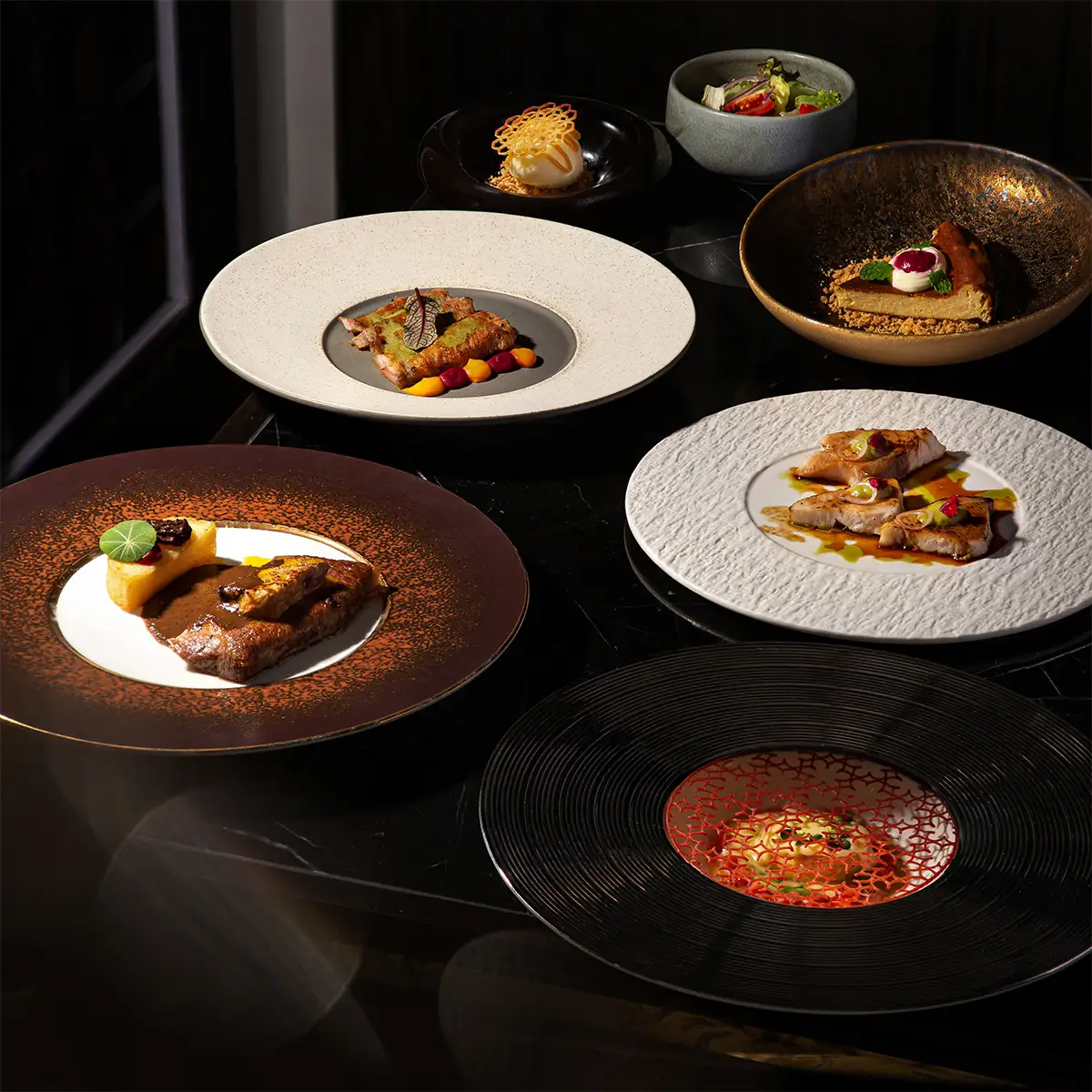
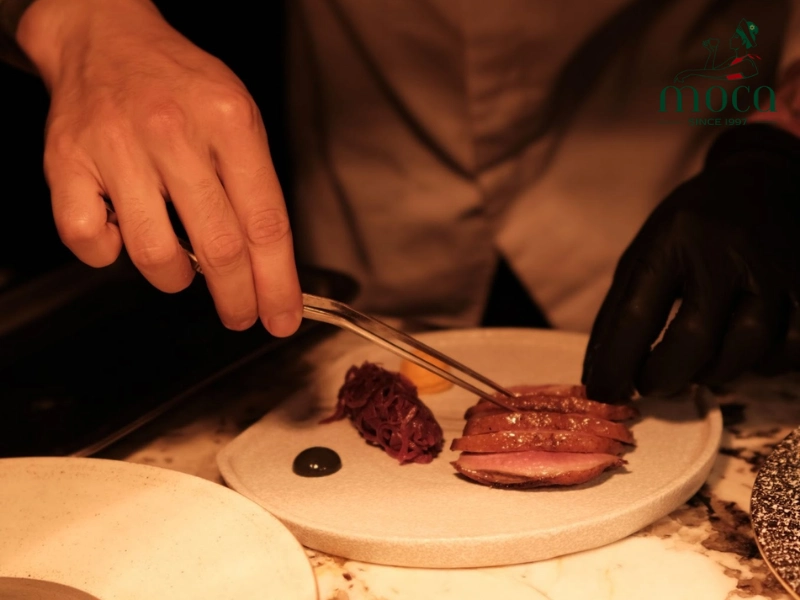
Our menu is a living demonstration of this philosophy. Consider our “Pan-Seared Scallops with Passion Fruit Emulsion.” Here, the European technique of perfectly pan-searing scallops to achieve a golden crust and tender interior is paired with a vibrant, acid-driven passion fruit emulsion - a classic French sauce technique applied to a tropical Vietnamese fruit, resulting in a harmonious blend of textures and tastes.
Another example is our “Slow-Braised Five-Spice Duck Confit.” This dish exemplifies the French confit technique (slow-cooking in fat), which we apply to duck marinated in traditional Vietnamese five-spice. The result is exceptionally tender meat with a uniquely aromatic profile, a perfect marriage of French method and Vietnamese soul.
4.3. The Moca Dining Commitment to Culinary Excellence
Our commitment to culinary excellence is unwavering. The chefs at Moca Dining undergo continuous training in both classical and modern European Culinary Techniques, ensuring our team remains at the forefront of the culinary arts. We are dedicated to innovation while holding the deepest respect for the heritage that forms the foundation of our craft.
European Culinary Techniques are far more than a set of instructions; they represent a philosophy of precision, artistry, and an unyielding dedication to quality that underpins the world's finest cuisines. They provide the framework that allows for creativity to flourish while ensuring an exceptional result every time.
We cordially invite you, our discerning guests, to experience this masterful fusion of technique and tradition at Moca Dining. Discover how we transform every meal into an exquisite journey, where the foundational principles of European gastronomy elevate the soul of Vietnamese-Western fusion on every plate. We look forward to welcoming you to the ultimate destination for a sophisticated culinary experience.