








- 1. The rich tapestry of Chinese fine dining: Beyond stereotypes
- 1.1. Historical evolution and philosophical foundations
- 1.2. Defining Chinese fine dining: A unique approach
- 2. A culinary atlas: Exploring China's diverse regional cuisines in fine dining
- 3. The art of the meal: Etiquette and experience in Chinese fine dining
- 4. Identifying and appreciating authentic Chinese fine dining
For many in the West, the perception of Chinese cuisine is often limited to casual, neighborhood eateries. However, beyond this familiar facade lies a world of profound culinary artistry: Chinese fine dining. This is a realm where centuries of heritage, exacting skill, and the finest ingredients converge to create an experience of unparalleled elegance and complexity. It is a tradition distinct from its everyday counterpart, built on a foundation of imperial history and deep philosophical principles. This guide will demystify the sophistication of Chinese haute cuisine, inviting you to explore its rich history, diverse flavors, and intricate etiquette.
1. The rich tapestry of Chinese fine dining: Beyond stereotypes
To appreciate authentic Chinese dining, one must first understand its deep historical and philosophical roots, which set it apart from Western culinary traditions.
1.1. Historical evolution and philosophical foundations
The origins of sophisticated Chinese culinary practices can be traced back through ancient dynasties. It was during the Song Dynasty (960–1279 CE) that a vibrant restaurant culture emerged in cities like Kaifeng and Hangzhou, with establishments catering to different regional tastes and social classes.
However, the apex of gourmet Chinese food was found within the imperial courts. Imperial banquets were legendary, multi-day affairs featuring hundreds of dishes designed not only to impress but also to nourish.
For instance, the "Manchu Han Imperial Feast" of the Qing Dynasty was a legendary banquet that combined the best of Manchu and Han cuisines, showcasing exotic ingredients and incredibly complex preparations that took days to complete. These events set the standard for culinary excellence and shaped the traditions that influence Chinese fine dining today.
At its core, the cuisine is guided by a philosophy of balance and harmony. Principles like Yin (cooling) and Yang (heating) are applied to ingredients to create dishes that are not only delicious but also promote well-being. This holistic approach considers the texture, aroma, color, and medicinal properties of food, striving for a harmonious final composition.
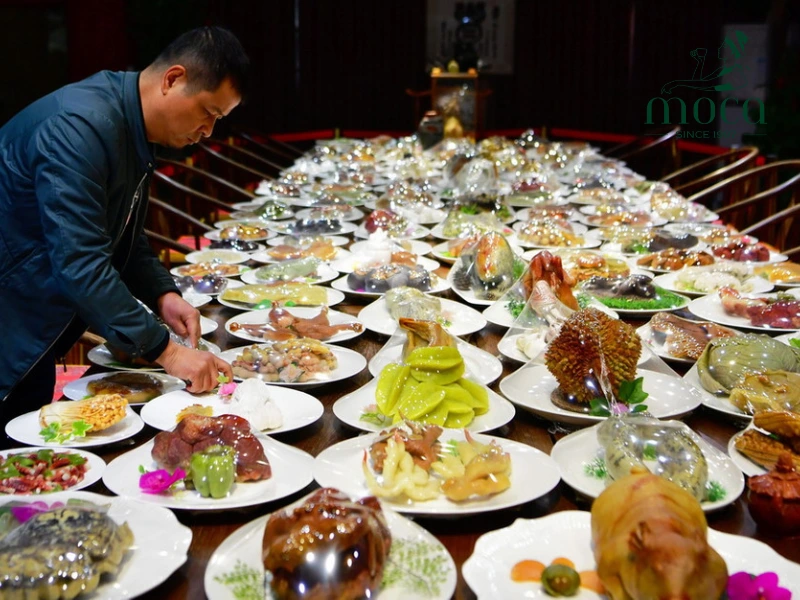
From imperial feasts to modern finesse—Chinese fine dining is rooted in balance, beauty, and history.
1.2. Defining Chinese fine dining: A unique approach
A key distinction of Chinese fine dining lies in its communal experience. Unlike the individual, multi-course structure of Western dining, the Chinese banquet is centered around shared dishes placed at the heart of a round table. This fosters a convivial, and at times boisterous, atmosphere that prioritizes connection and shared enjoyment. Private dining rooms are highly favored for important business and family gatherings, offering an exclusive and intimate setting.
The true markers of excellence are the chef's unparalleled skill and the meticulous sourcing of ingredients. While luxury items like abalone and bird's nest are featured, the ultimate sign of quality is the perfect execution of technique and the achievement of balanced flavors. A critical concept in this regard is "wok hei," often translated as "the breath of the wok." Scientifically, wok hei refers to the complex flavors and aromas created when food is cooked at extremely high temperatures in a well-seasoned wok.
This process involves a combination of Maillard reactions, caramelization, and the vaporization of fats and sauces hitting the hot wok surface, which imparts a distinct, smoky essence that cannot be replicated by other cooking methods. It is a testament to a chef's mastery and a defining characteristic of many high-end Cantonese dishes.
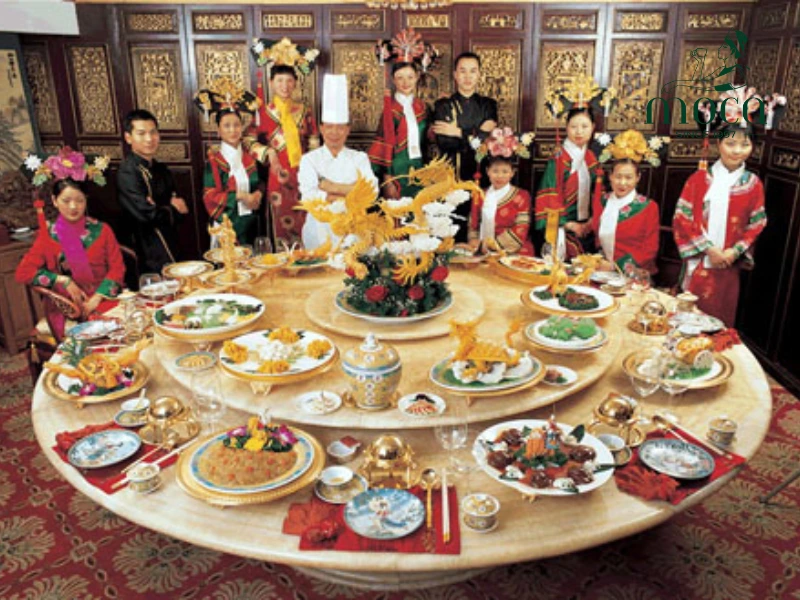
At the heart of Chinese fine dining: shared moments, wok hei magic, and culinary mastery.
2. A culinary atlas: Exploring China's diverse regional cuisines in fine dining
China's vast geography has given rise to an incredible diversity of culinary styles, traditionally categorized into the "Eight Great Cuisines." Chinese fine dining elevates these regional traditions to their highest form.
The eight great cuisines: The foundational regional Chinese cuisines are Cantonese, Sichuan, Jiangsu, Zhejiang, Min, Hunan, Anhui, and Lu. Each has its own distinct flavor profile, signature ingredients, and cooking techniques. A high-end restaurant will typically specialize in one or two of these, executing them with precision and artistry.
Spotlight on key fine dining regional styles
- Cantonese Cuisine (Yue Cai): Renowned for its emphasis on freshness, delicate flavors, and the celebration of an ingredient's natural taste. Techniques like steaming and stir-frying are prized. In a fine dining context, this translates to dishes where the quality of the primary ingredient is paramount. Superior Broth with Abalone. The abalone itself is a luxury ingredient, but what elevates this dish is the "superior broth" (上湯), a rich, clear consommé that takes days to prepare by simmering ingredients like Jinhua ham, chicken, and pork bones. The broth's purity and depth of flavor showcase immense technical skill.
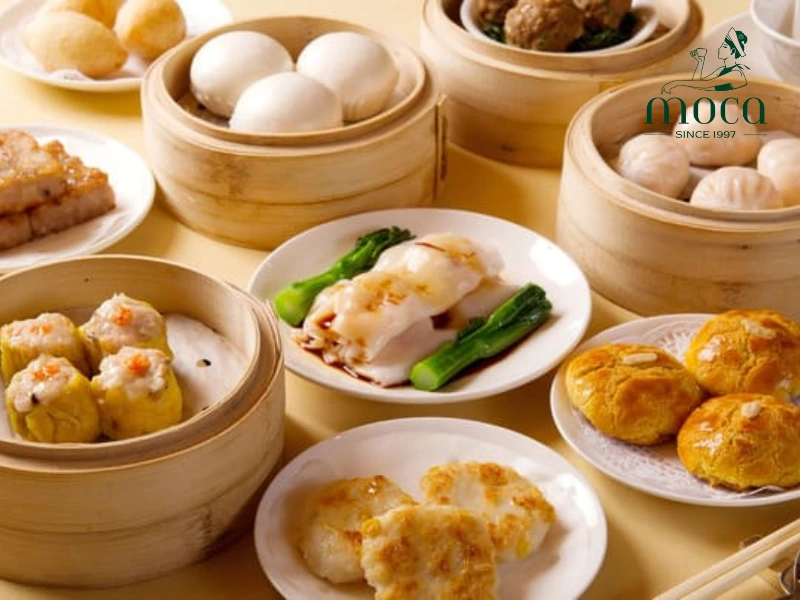
The elegance of Cantonese cuisine: freshness honored through delicate technique and rich, pure broth.
- Sichuan Cuisine (Chuan Cai): Famous for its bold, complex, and layered flavors, particularly the signature "mala" (麻辣), a combination of numbing Sichuan peppercorns and fiery chili. Sophisticated Sichuan cooking is not just about heat; it's about creating a symphony of tastes. An Elevated Mapo Tofu. While a humble dish, a gourmet version uses premium components: aged Pixian chili bean paste for depth, high-quality fermented black beans, the finest Sichuan peppercorns for a fragrant numbing sensation, and silken tofu that holds its shape. It is often presented with minced Wagyu beef, transforming it into a luxurious and nuanced dish.
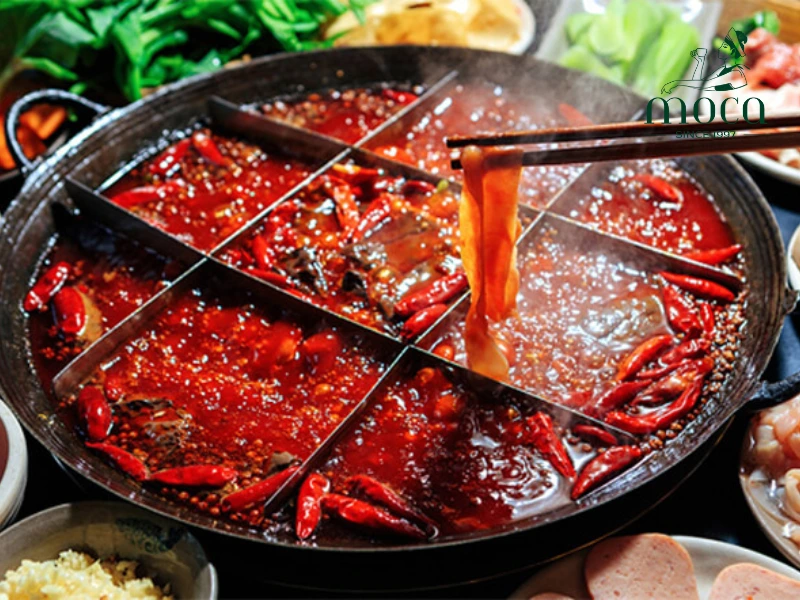
Sichuan’s bold harmony: fiery mala flavors elevated by premium ingredients and refined technique.
- Jiangsu Cuisine (Su Cai): Celebrated for its light, fresh, and often slightly sweet flavors, as well as its incredible precision in knife work and elegant presentation. The focus is on seasonal ingredients and meticulous cooking methods. Squirrel-shaped Mandarin Fish. This iconic dish is the ultimate display of a chef's knife skills. The fish is deboned and intricately scored before being deep-fried, causing the flesh to fan out like a squirrel's tail. It is then coated in a vibrant sweet and sour sauce. Its fine-dining status comes from the flawless execution of the knife work and the perfect balance of the delicate sauce.
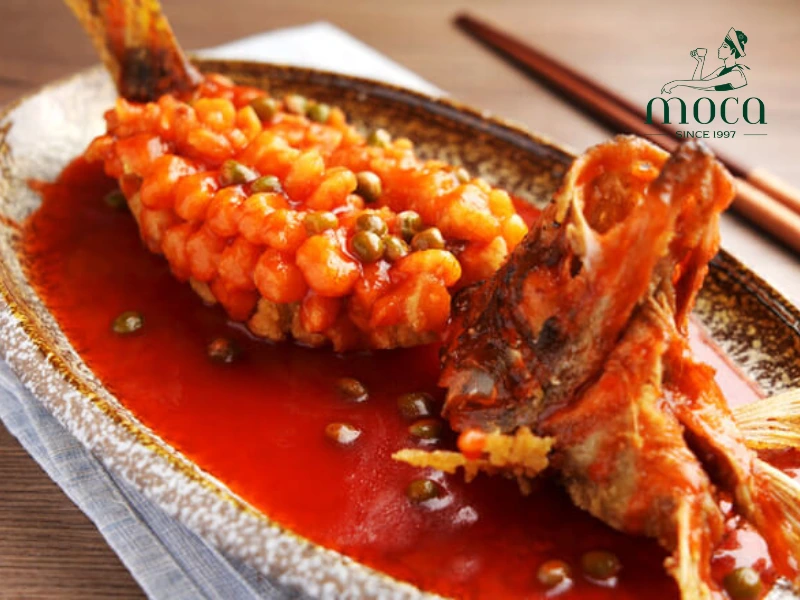
Jiangsu elegance: masterful knife work and delicate flavors in every exquisite bite.
3. The art of the meal: Etiquette and experience in Chinese fine dining
The dining experience is governed by a set of cultural protocols that emphasize respect, harmony, and generosity.
- Seating arrangements and hierarchy: At a formal dinner, the seating arrangement is significant. The seat of honor, typically the one facing the entrance, is reserved for the host or the most distinguished guest. The hierarchy then follows around the table. The round table itself, often equipped with a Lazy Susan, symbolizes unity and facilitates the sharing of dishes.
- Dining protocol and shared dishes: The communal nature of the meal requires specific etiquette. Dishes are shared from the center, and it is polite to use the provided serving spoons rather than one's own chopsticks to transfer food to your bowl. Chopsticks should never be stuck upright in a bowl of rice, as this resembles incense sticks at a funeral. Throughout the meal, tea is continuously served, acting as a palate cleanser and a symbol of hospitality.
- Beyond the plate: A crucial concept influencing the experience is "mianzi" (面子), or "face," which represents a person's reputation, social standing, and honor. Hosting a lavish banquet in a private dining room is a way for the host to give "face" to their guests, showing them respect and generosity. The service is attentive yet discreet, anticipating the needs of the group to ensure the host's "face" is maintained and the event proceeds flawlessly.
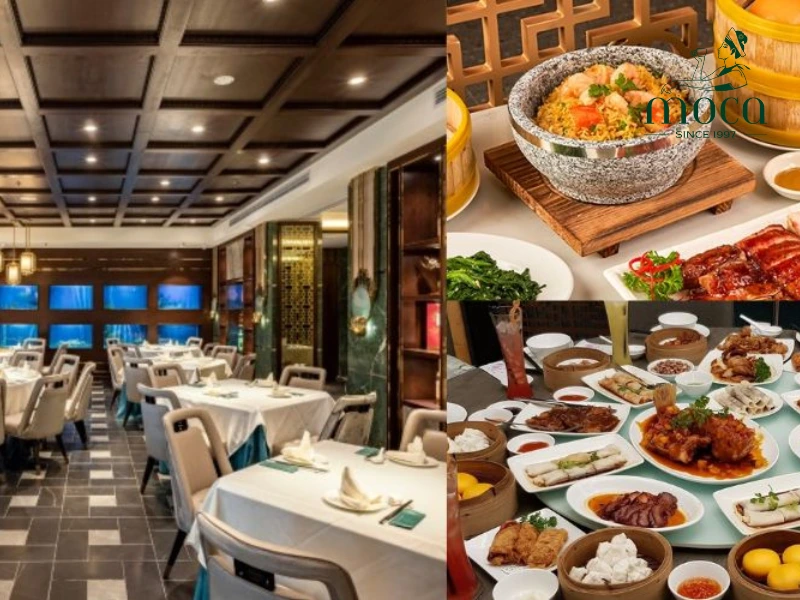
Chinese fine dining: where respect, harmony, and “face” shape every shared moment.
4. Identifying and appreciating authentic Chinese fine dining
Navigating the modern scene requires looking for specific hallmarks of quality.
- Hallmarks of quality and authenticity: An authentic, high-quality Chinese fine dining restaurant will always prioritize fresh ingredients, often showcasing live seafood in tanks. The menu will demonstrate masterful cooking techniques, balanced flavors, and a clear focus on a specific regional cuisine. It will also reflect seasonal availability, a sign that the chef is committed to using ingredients at their peak.
- Navigating the modern Chinese fine dining scene: Today's top chefs are innovating within the bounds of tradition, using modern techniques and global ingredients to reinterpret classic dishes. The rise of Michelin-starred Chinese restaurants around the world is a testament to the cuisine's global recognition. To select a truly exceptional restaurant, consult respected culinary guides like the Michelin Guide or the Asia's 50 Best Restaurants list. Look for reviews that praise not just the luxury, but the technical skill, the balance of flavors, and the authenticity of the regional focus.

Authenticity meets innovation—Chinese fine dining defined by mastery, seasonality, and respect for tradition.
Chinese fine dining is a profound cultural and culinary experience, a world away from common perceptions. It is an art form rich in history, regional diversity, and meticulous artistry. We encourage you to explore its depths and appreciate the harmony and skill that define this exceptional cuisine.
Embark on an extraordinary culinary journey and experience the refined elegance of Chinese fine dining at Moca Dining. Our exquisite menu, crafted with authentic regional techniques and the finest ingredients, promises an unforgettable exploration of taste and tradition. Secure your reservation today and elevate your dining experience.