








- 1. The Fundamental Role of Wine Tasting in the Professional Fine Dining
- 2. Essential Preparations for an Impeccable Wine Tasting Session
- 2.1. Precision in Glassware Selection and Maintenance
- 2.2. Optimal Temperature Control and Environmental Factors
- 3. The Systematic Sensory Evaluation Process
- 4. Professional Service Standards and Sommelier Etiquette at Moca Dining
- 5. Enhancing the Oenological Journey Through Strategic Food Pairings
- 6. The Moca Dining Signature: A Sanctuary for Wine Enthusiasts
In the world of fine dining, wine is more than a beverage; it is the lifeblood of the culinary narrative, a liquid art form that elevates a meal into a masterpiece. The sophisticated ritual of wine tasting is not merely about consumption, but a profound act of appreciation - a ceremony that honors the heritage, terroir, and meticulous craft of the winemaker. At Moca Dining, we believe this oenological journey is the essential bridge between our kitchen's creations and your sensory delight, and we are dedicated to perfecting every facet of this experience.
1. The Fundamental Role of Wine Tasting in the Professional Fine Dining
.webp)
The Fundamental Role of Wine Tasting in the Professional Fine Dining
At its core, a professional wine tasting serves as the critical dialogue between the chef's culinary vision and the guest's palate. It establishes an unwavering benchmark for quality, ensuring that every bottle uncorked at Moca Dining meets the rigorous standards expected of a premier establishment. This process is also an integral part of our commitment to storytelling. Each vintage we present narrates a unique tale of its specific climate, soil, and the hands that guided its creation, transforming a simple dinner into an immersive cultural exploration. This dedication to a complete fine dining wine experience is what sets a true gastronomic sanctuary apart.
2. Essential Preparations for an Impeccable Wine Tasting Session
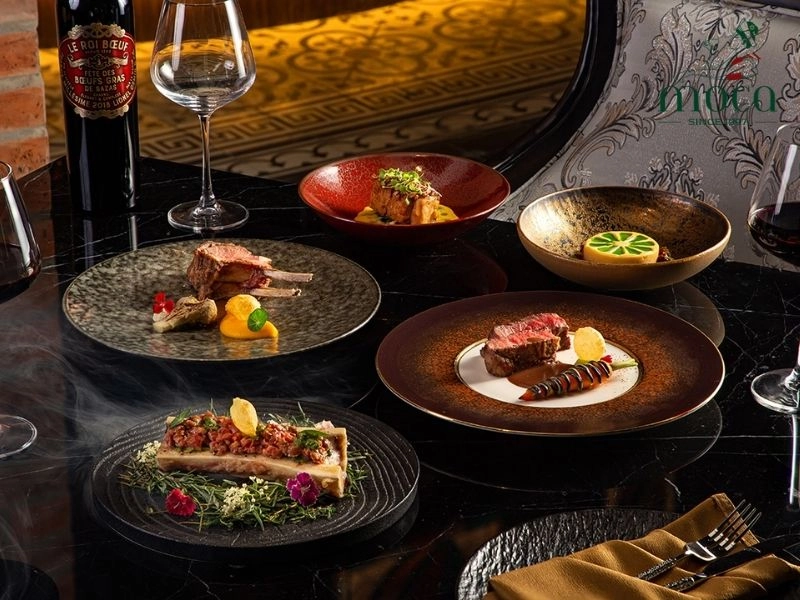
Essential Preparations for an Impeccable Wine Tasting Session
A flawless wine evaluation begins long before the wine is poured. It is a science of precision, where every detail is calibrated to allow the wine to express its truest character.
2.1. Precision in Glassware Selection and Maintenance
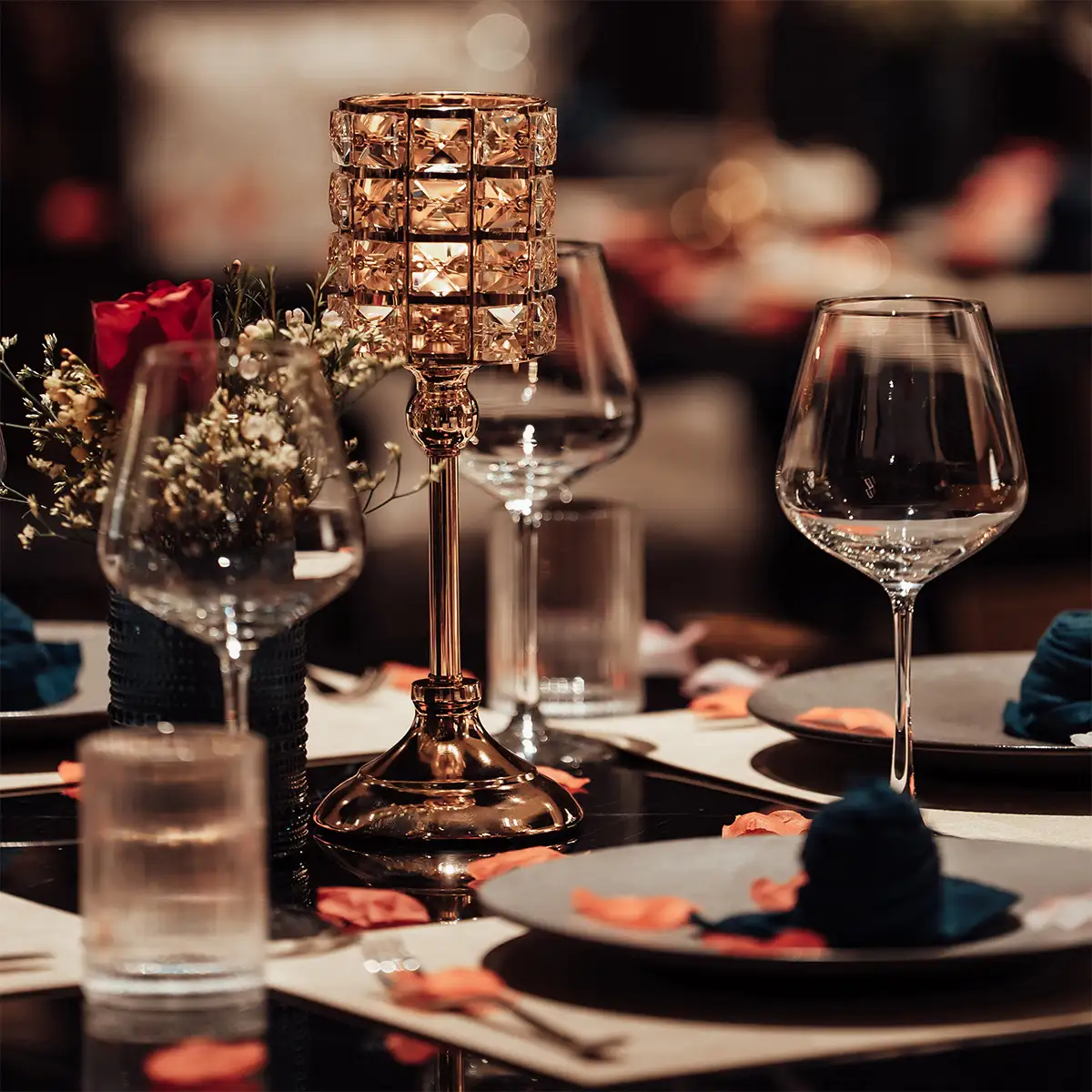
The vessel is paramount. The choice of crystal glassware is a deliberate, scientific decision, as the bowl's shape directly influences the aeration and aromatic concentration of specific varietals.
Example: A broad-bowled Burgundy glass is designed to capture the delicate, ethereal aromas of Pinot Noir, while the taller, more focused shape of a Bordeaux glass directs the complex bouquet of a Cabernet Sauvignon towards the nose.
2.2. Optimal Temperature Control and Environmental Factors
Temperature is the invisible hand that shapes a wine's structure. Serving a wine too cold can mute its aromas, while serving it too warm can make the alcohol seem overpowering.
Each wine style has an ideal temperature range to preserve its structural integrity. For instance, light white wines like Sauvignon Blanc show best at 7-10°C (45-50°F) to accentuate their crisp acidity, whereas full-bodied reds like Syrah are best served at 15-18°C (60-65°F) to soften their tannins and release their rich aromatic layers. The tasting environment itself must be a neutral canvas - well-lit and free from competing scents like perfume or food aromas - to ensure a pure and unbiased sensory evaluation.
3. The Systematic Sensory Evaluation Process
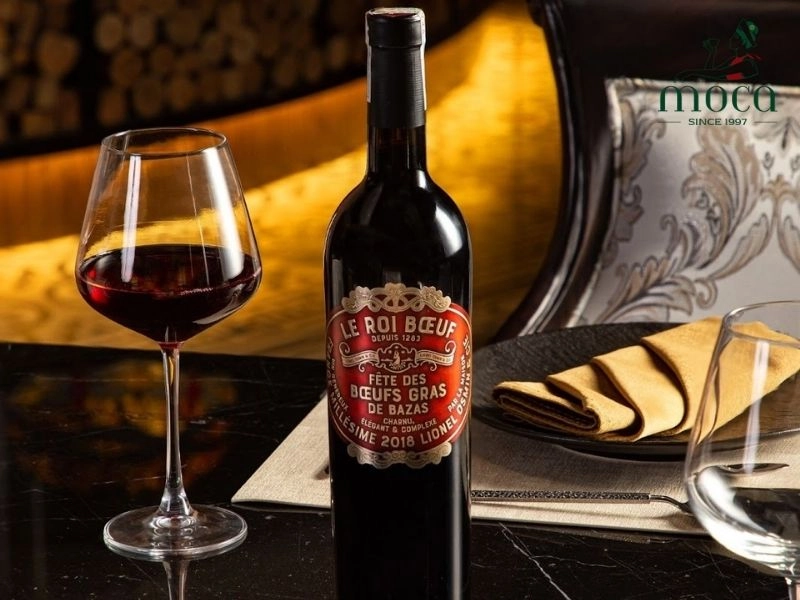
The Systematic Sensory Evaluation Process
The globally recognized technique for professional wine tasting is a systematic, five-step process designed to engage all the senses and deconstruct the wine's complex identity.
Sight: Analyzing Appearance and Viscosity
The evaluation begins with the eyes. By holding the glass against a white background, a connoisseur assesses the wine's clarity, color, and intensity. Color can be a powerful indicator of age and style; a deep purple hue may suggest a young, robust red, while a pale garnet edge can signify maturity. The "legs" or "tears" that stream down the inside of the glass after swirling offer clues about the wine’s alcohol and sugar content.
Swirl and Smell: Unlocking the Aromatic Bouquet
Swirling the wine in the glass is not for show; it is a crucial step that increases the wine's surface area, allowing it to interact with oxygen and release its volatile aromatic compounds. This is where the true aromatic bouquet is revealed. A professional learns to distinguish between:
- Primary Aromas: Derived from the grape itself (e.g., grapefruit in Sauvignon Blanc, blackcurrant in Cabernet Sauvignon).
- Secondary Aromas: Created during the fermentation process (e.g., buttery notes from malolactic conversion, sourdough hints from yeast).
- Tertiary Aromas: Developed through aging, often in oak or in the bottle (e.g., vanilla, cedar, leather, and tobacco).
Sip and Savor: Evaluating Structure and Balance on the Palate
The final steps involve the palate. A small sip is taken, and the wine is gently "chewed" or aerated in the mouth to ensure it coats all taste receptors. Here, we assess the fundamental pillars of the wine's structure: acidity (the mouth-watering sensation), tannins (the drying, astringent feeling), alcohol (the warmth), and body (the overall weight and texture). The "finish" - the persistence and evolution of flavors after the wine is swallowed - is the ultimate hallmark of quality. A long, complex finish is a sign of a truly exceptional wine.
4. Professional Service Standards and Sommelier Etiquette at Moca Dining
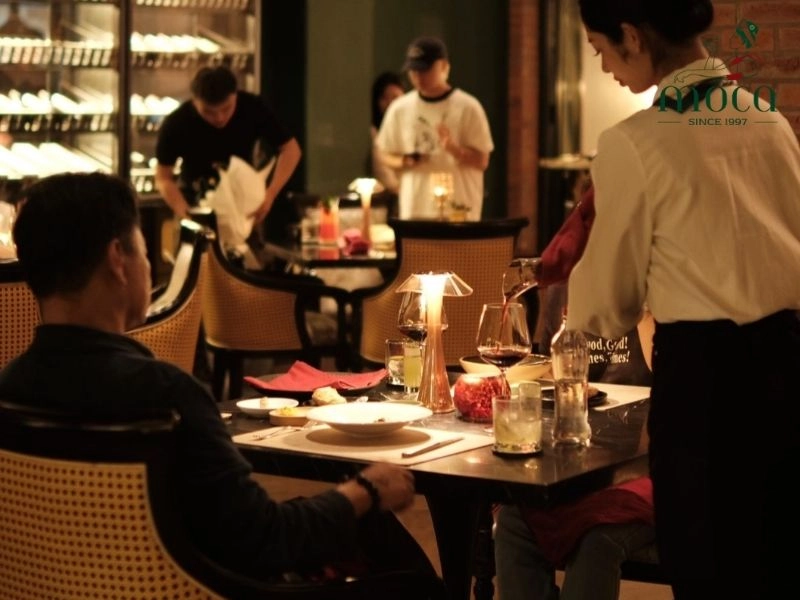
Professional Service Standards and Sommelier Etiquette at Moca Dining
The sommelier service at Moca Dining is a carefully choreographed ritual, executed with grace and precision to enhance your enjoyment and show the utmost respect for the wine.
- The Ritual of Presentation: Our sommelier will present the bottle to the host, clearly displaying the label for verification of the producer and vintage.
- The Precision of Cork Extraction: The foil is cut cleanly below the lip of the bottle, and the cork is extracted smoothly and silently, without disturbing any potential sediment.
- The Sample Pour: A small taste is poured for the host. This is not to see if they "like" the wine, but to confirm it is in perfect condition and not flawed (e.g., "corked" or oxidized).
- The Sequence of Service: Upon approval, our team serves the guests with practiced, unobtrusive elegance, ensuring every glass is filled to the correct level to allow for swirling.
5. Enhancing the Oenological Journey Through Strategic Food Pairings
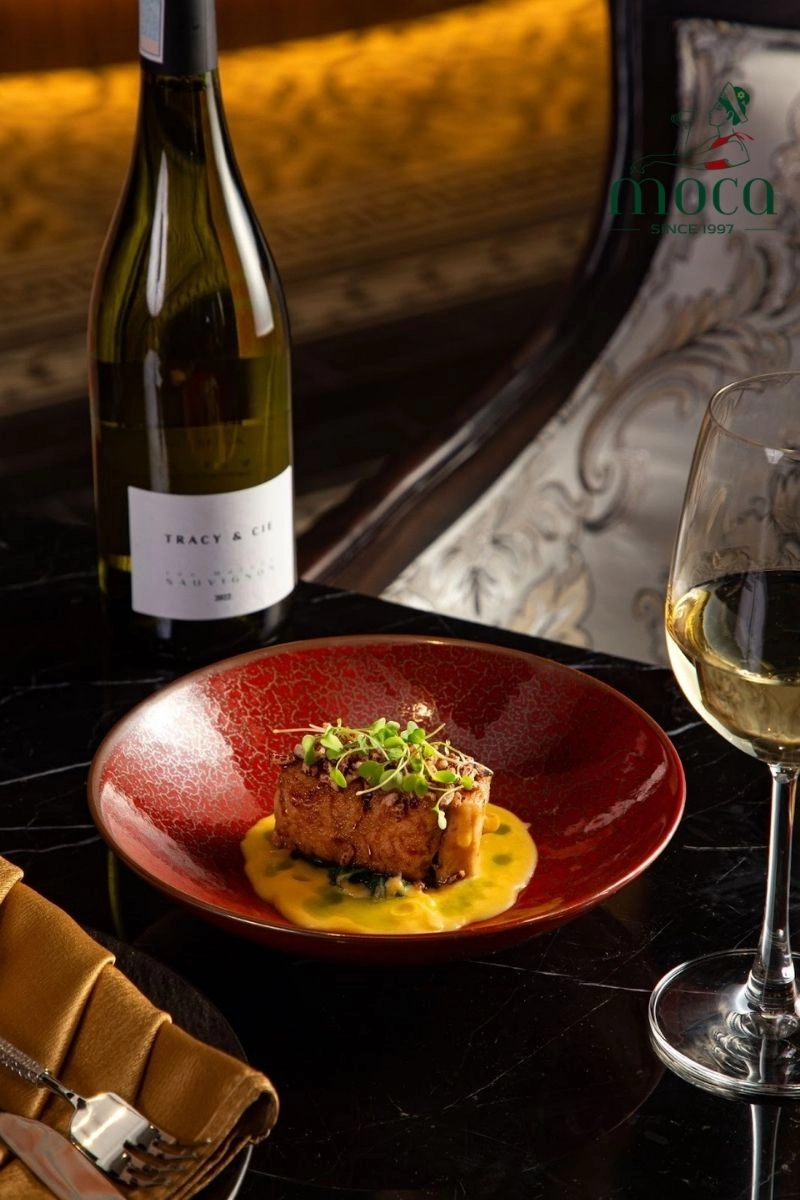
Enhancing the Oenological Journey Through Strategic Food Pairings
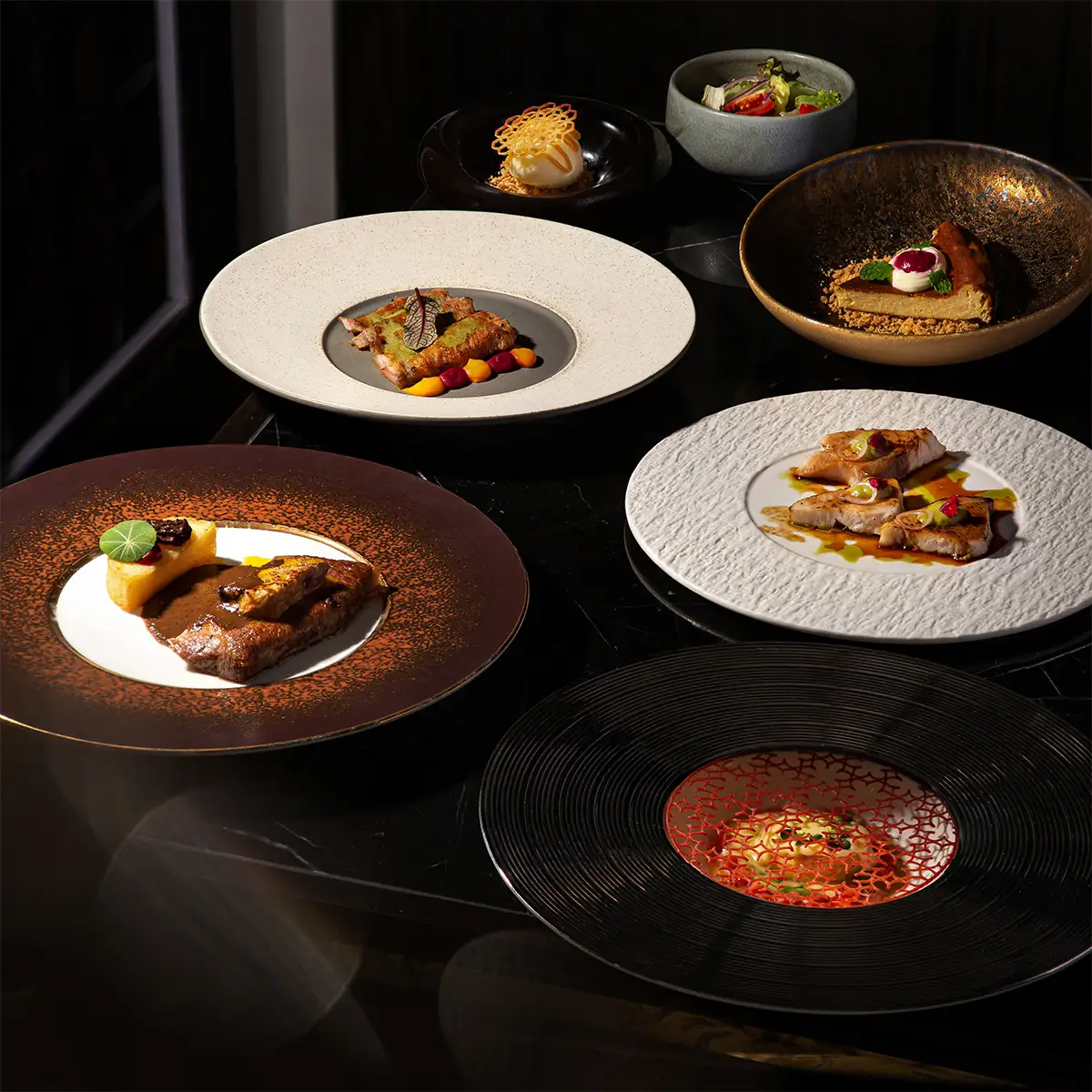
At Moca Dining, wine tasting is rarely a standalone event; it is intrinsically woven into the gastronomic experience through the art of food pairing.
- The Philosophy of Flavor Equilibrium:
Our culinary and sommelier teams work in synergy to create pairings where the wine and the dish elevate one another. The goal is a harmonious balance, achieved through either complementary or contrasting pairings.
- Curating a Progression of Vintages:
For a multi-course tasting menu, the sequence of wines is paramount to prevent palate fatigue. The progression typically moves from light to full-bodied, dry to sweet, and young to old. This strategic curation allows each wine to be appreciated for its unique nuances without being overshadowed by the previous selection.
6. The Moca Dining Signature: A Sanctuary for Wine Enthusiasts
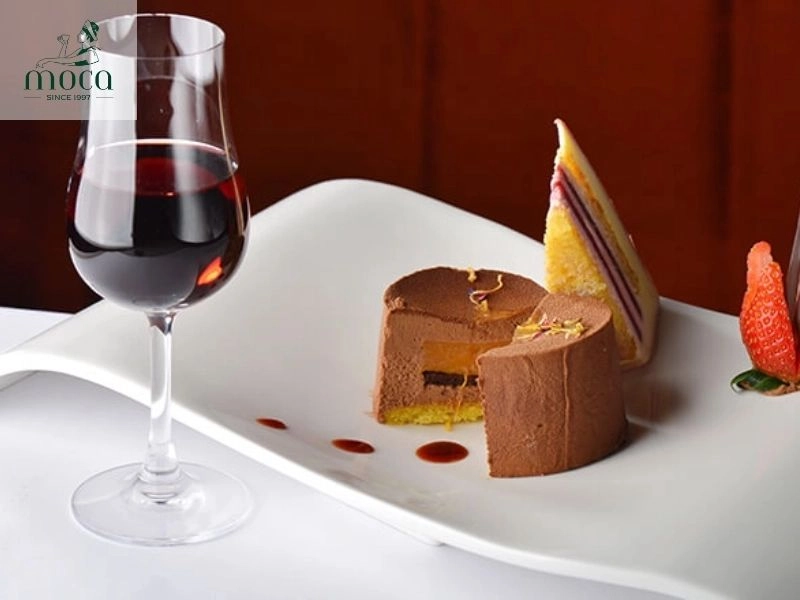
The Moca Dining Signature: A Sanctuary for Wine Enthusiasts
We have cultivated Moca Dining to be more than a restaurant; it is a sanctuary for those who share our passion for wine. Our commitment is reflected in:
- Our Exclusive Cellar: A meticulously curated wine cellar featuring rare vintages, boutique labels, and iconic producers from the world's most revered wine regions.
- Our Expert Sommeliers: Our team of highly trained sommeliers provides more than just service; they offer personalized consultations, guiding you through our collection to find the perfect bottle that aligns with your personal taste and culinary choices.
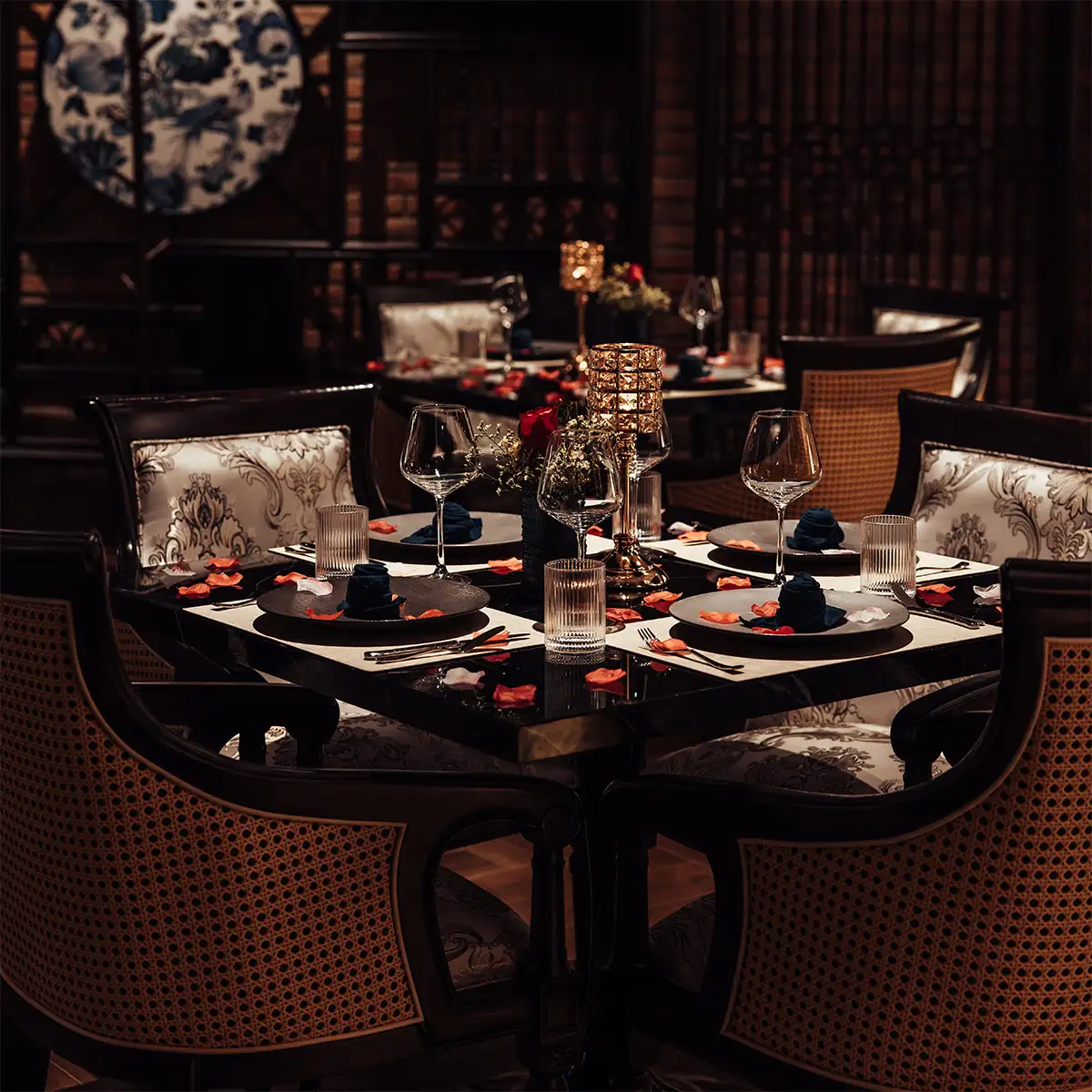
- Our Sophisticated Atmosphere: We have designed an environment of intimate elegance, where the focus is on fostering a deep, personal connection between you, the connoisseur, and the magnificent wine in your glass.
Ultimately, a professional wine tasting is a sublime synthesis of academic knowledge and artistic sensibility. It is an invitation to look beyond the glass and discover a world of history, geography, and human passion. At Moca Dining, we are steadfast in our commitment to delivering this world-class degustation experience. We pledge to honor every bottle, to share its story with reverence, and to create moments where each sip is a cherished memory. We invite you to join us and allow our team to guide you on an unforgettable oenological exploration.