






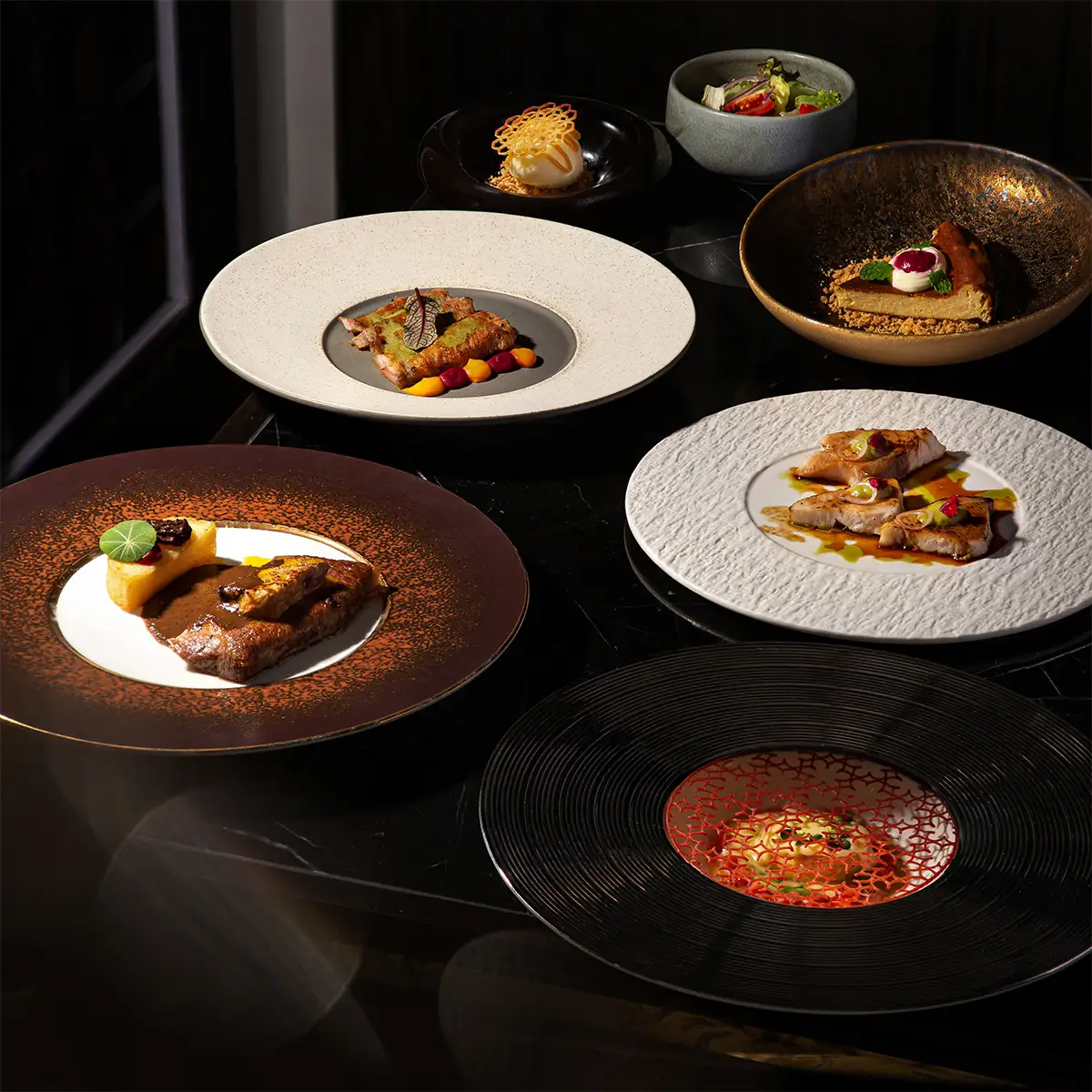



A fascinating culinary paradox defines the pinnacle of modern gastronomy: the tension between the raw, vibrant authenticity of "street" food and the measured refinement of "fine dining." For decades, these worlds were considered polar opposites. Yet, a profound shift has occurred. There is a growing recognition among the world's most celebrated chefs and discerning diners that the most memorable, intense flavors often originate from traditional, accessible, and street-level sources. Street fine dining is not a location; it is a philosophy. It is a steadfast commitment to capturing authentic, powerful flavors and executing them with the meticulous technique, premium ingredients, and impeccable service of a fine dining establishment—a principle that is central to the identity of Moca Dining.
1. Deconstructing the "Street Fine Dining" philosophy
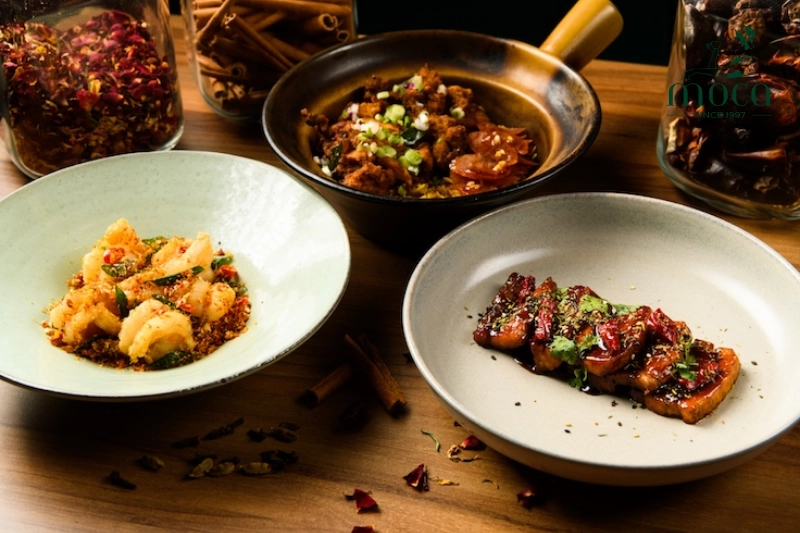
Street Fine Dining” – honoring the soul of street food with the precision and elegance of fine dining.
At its core, the street fine dining movement is about reverence. It is about honoring the soul of a dish while elevating its form, creating an experience that is at once novel and deeply familiar.
- Flavor intensity meets precision: The foundational idea is to capture the bold, uncompromised, and often explosive flavors characteristic of the world's best street food—the deep, long-simmered broths, the complex and aromatic spice blends, the searing char from high-heat cooking—and apply the rigorous control of a fine dining kitchen. It is about harnessing the beautiful chaos of a street stall's wok and channeling it with the precision of a surgeon's scalpel. This philosophy ensures that the final dish delivers maximum flavor impact with unparalleled elegance and consistency.
- Authenticity as the new luxury: The definition of luxury in dining has evolved. It has shifted from a singular focus on expensive, often imported, ingredients to a profound appreciation for ingredients and recipes rooted in local heritage and tradition. The new luxury is authenticity. Sourcing a rare, wild herb from a specific mountain village or perfecting a generations-old fermentation recipe has become a greater mark of distinction than simply serving foie gras or caviar. This is a celebration of heritage flavors and the stories they tell.
- The role of michelin recognition: This philosophy has been legitimized on a global scale, in no small part due to the evolution of institutions like the Michelin Guide. By awarding Bib Gourmand and Star recognitions to both humble street vendors and high-end restaurants, the guide has officially bridged the gap. It sends a clear message: exceptional flavor is the ultimate criterion, regardless of its origin. This Michelin recognition validates the pursuit of elevated local cuisine and places it on the same esteemed level as traditional European haute cuisine.
2. The technique of elevation: Transforming traditional dishes
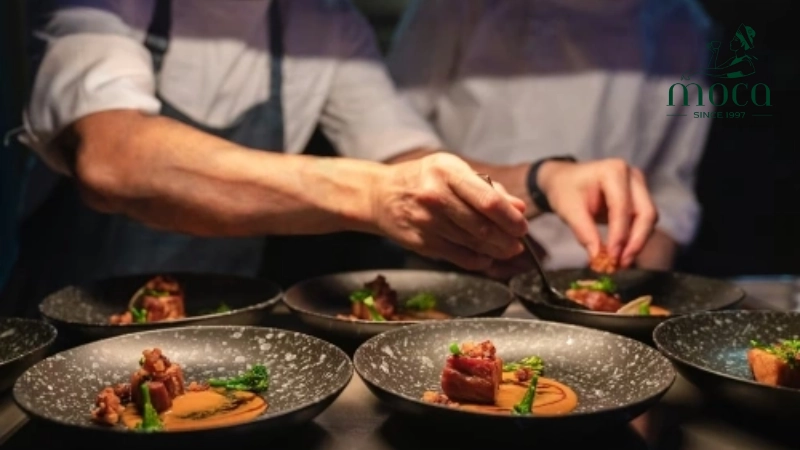
Elevating traditional dishes with modern techniques, preserving soul and perfect texture.
The transformation of a traditional dish into a street fine dining masterpiece is a technical and artistic endeavor. It requires a deep understanding of both the original recipe and the tools of modern gastronomy.
- Advanced culinary methods: To refine a traditionally rustic dish without sacrificing its soul, chefs employ a battery of advanced culinary methods. A tough cut of meat, traditionally braised for hours in a street-side pot, might be cooked sous-vide for 48 hours to achieve a perfect, melt-in-your-mouth texture. The complex broth of a noodle soup might be clarified into a crystal-clear, intensely flavored consommé. A traditional sauce might be transformed through spherification into delicate pearls that burst with flavor on the palate. These techniques enhance texture, concentrate flavor, and create a stunning visual presentation.
- Dedicated ingredient sourcing for purity: Elevation begins with the ingredient. The process involves sourcing the exact and highest-quality local ingredients that define the original street dish, but with an added layer of scrutiny ensuring purity, traceability, and sustainability. This commitment to authentic flavors is non-negotiable. For a comparative example, consider a classic Vietnamese Bún Chả. The street version features grilled pork patties over a charcoal brazier, served with fresh herbs and a dipping sauce. The presentation is transformed from rustic to architectural, yet the flavor profile remains undeniably authentic.
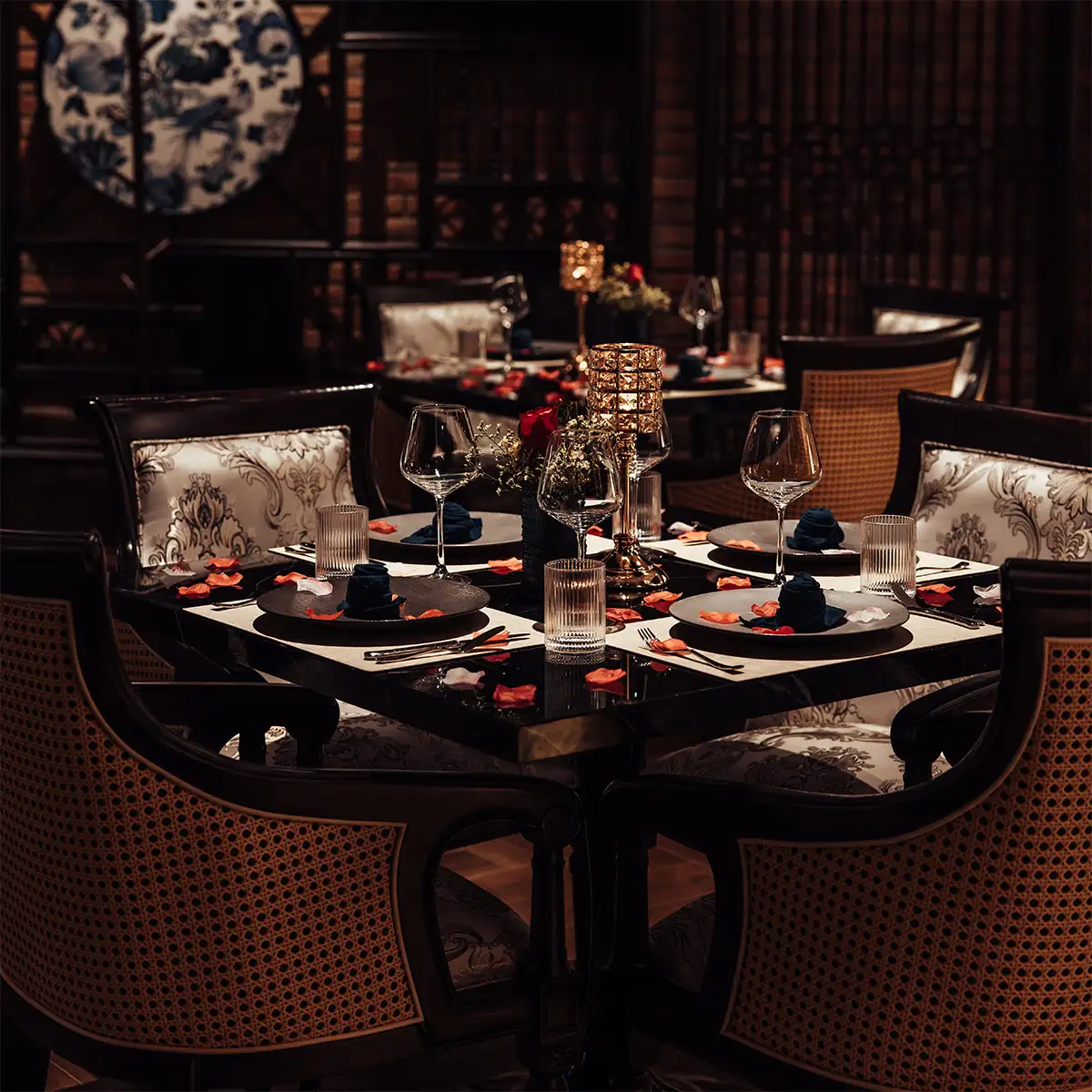
- Service and ambiance as the defining factor: Herein lies the ultimate contrast. The food is inspired by the vibrant, often chaotic, energy of the street, but the experience is defined by the serene, controlled environment of a fine dining establishment. The dish is delivered with the seamless choreography of white-glove service. The pairing is suggested by a sommelier with an expert understanding of how to match fine wines with complex, spicy, and umami-rich profiles. The ambiance is one of luxurious comfort. This juxtaposition is the very essence of the street fine dining experience.
3. Moca Dining: The ultimate expression of elevated local cuisine
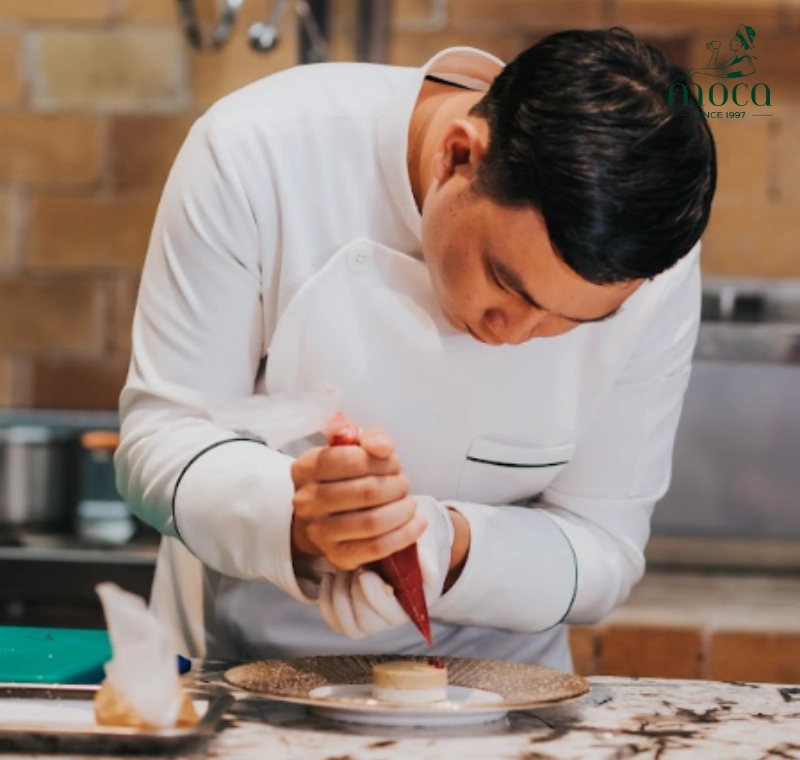
Moca Dining team – devoted students of culinary heritage, exploring and elevating local flavors.
Moca Dining was founded on the principle that local heritage is a source of infinite inspiration. We are the ultimate expression of elevated local cuisine, treating the recipes of the market and the home with the reverence and complexity of haute cuisine.
Our culinary team regularly explores local markets and villages, not as tourists, but as students. We deconstruct traditional recipes to understand their core flavor architecture. This deep respect for heritage flavors is the starting point for every dish we create, ensuring that our innovation is always grounded in authenticity.
Our guests receive the best of both worlds. They experience the intense, soulful, and authentic flavors they crave, but within an environment that guarantees the highest standards of hygiene, comfort, and elegance. It is an experience that satisfies both the adventurous palate and the desire for a refined, world-class dining occasion.
4. The economic and cultural impact of the trend
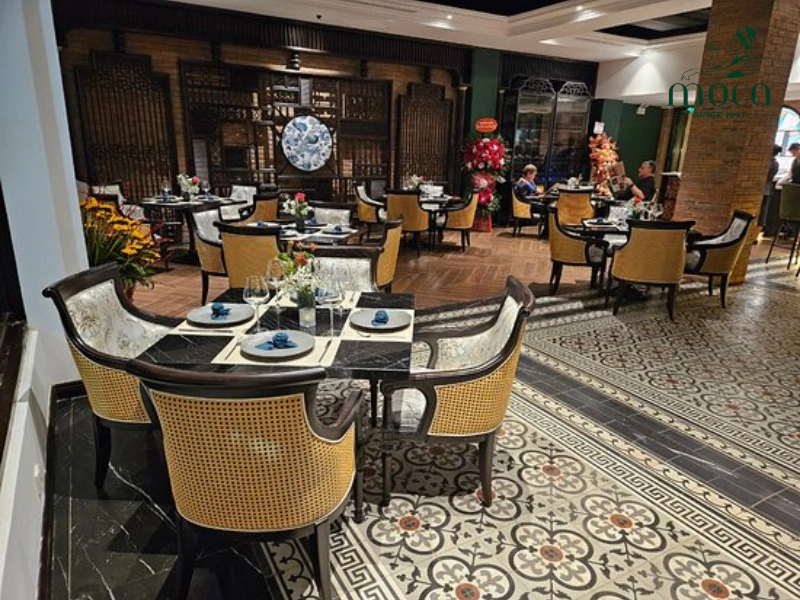
The street fine dining movement elevates cuisine while driving local cultural pride and economic growth.
The street fine dining movement is more than a culinary trend; it has a significant and positive impact on both culture and commerce.
- Promoting local culinary identity: By placing traditional dishes in a fine dining context, this movement elevates and preserves a nation's local culinary identity on an international stage. It introduces global diners to the depth and sophistication of cuisines that may have been previously overlooked, fostering cultural pride and understanding.
- The business model of elevation: From a business perspective, the demand for this niche is strong and growing. Discerning diners are increasingly willing to pay a premium for experiences that are both authentic and luxurious. The pricing strategy for elevated local cuisine is justified by the significant investment in research and development, the use of premium and meticulously sourced ingredients, the high level of labor-intensive skill required, and the cost of providing a complete luxury service environment. It is a successful model built on delivering exceptional, unique value.
The most exciting and meaningful culinary experiences today exist at the convergence of tradition and innovation. The street fine dining philosophy reaffirms that a dish's soul is its most important ingredient. The true luxury of dining in the 21st century is not about ostentation; it is about experiencing authentic, soulful flavors delivered with technical perfection and unparalleled service. We formally invite you to book your reservation at Moca Dining to experience firsthand this masterful fusion of local heritage and global fine dining standards.