








- 1. The Technical Imperatives of Professional Wine Preservation
- 1.1. Precision Climate and Humidity Control
- 1.2. Mitigation of Light, Vibration, and Atmospheric Pollutants
- 2. The Strategic Curation of a Diverse and Prestigious Wine Collection
- 3. The Sommelier’s Stewardship of the Cellar Ecosystem
- 3.1. Inventory Management and Cellar Rotation
- 3.2. The Transition from Cellar to Table
- 4. How a Dedicated Wine Cellar Enhances the Gastronomic Narrative
- 4.1. Storytelling Through Viticulture
- 4.2. Facilitating Bespoke Pairing Experiences
- 5. Experience the Curated Excellence of the Moca Dining Wine Cellar
In the world of high-end gastronomy, a truly exceptional restaurant wine cellar is far more than a mere storage space. It is the liquid soul of the establishment - a meticulously curated library of history, geography, and artistry, all preserved in glass. It serves a dual role: as a technically precise sanctuary for protecting priceless vintages and as a strategic asset that elevates the entire dining narrative. For esteemed wine cellar restaurants like Moca Dining, our commitment to this craft is what distinguishes a memorable meal from an unforgettable experience.
1. The Technical Imperatives of Professional Wine Preservation
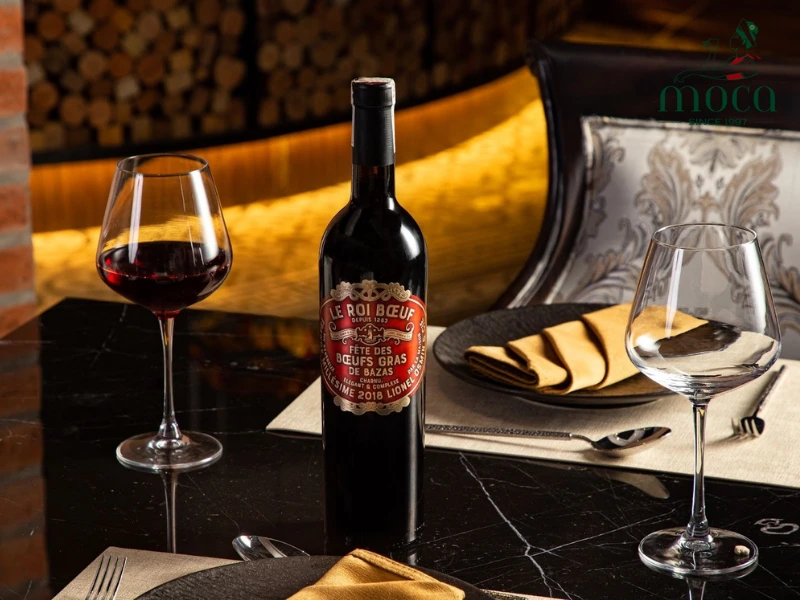
The Technical Imperatives of Professional Wine Preservation
The foundation of any world-class wine program is an unwavering dedication to the science of preservation. Without this technical mastery, even the most prestigious collection is at risk.
1.1. Precision Climate and Humidity Control
The integrity of a wine is critically dependent on its environment. The non-negotiable standard for a professional cellar is a constant temperature, ideally maintained between 12-14°C (53-57°F). Even minor fluctuations can be detrimental; a spike in temperature can "cook" a wine, flattening its complex aromas, while a dip can slow its evolution to a halt.
Scientific Insight: At these cool, stable temperatures, the complex chemical reactions of aging - such as the polymerization of tannins which softens the wine's texture over time - occur at a slow, graceful pace. Heat accelerates these reactions, leading to premature aging and the loss of nuanced flavors.
Equally vital is a constant humidity level of 60-70%.
1.2. Mitigation of Light, Vibration, and Atmospheric Pollutants
Beyond climate, a cellar must be a fortress against other subtle yet damaging forces.
- Light: All our cellar lighting is UV-filtered. Ultraviolet light can trigger chemical reactions in wine, creating a fault known as "light strike." This is particularly damaging to delicate white wines and sparkling varieties like Champagne, leading to the development of unpleasant sulfur compounds that can smell like wet cardboard or cabbage.
- Vibration: A restaurant wine cellar must be a place of stillness. Constant, low-level vibrations - from foot traffic, machinery, or even nearby roads - can disturb the fine sediment in older red wines. This sediment is a natural byproduct of aging, and agitating it can prevent it from settling, resulting in a cloudy pour and a gritty texture that detracts from the experience. Our cellar utilizes vibration-dampening shelving to ensure every bottle rests peacefully.
- Atmosphere: Wine breathes, albeit very slowly, through its cork. Therefore, the air within the cellar must be pristine, free from strong odors like paint, cleaning chemicals, or even cardboard, which can permeate the cork over time and taint the wine.
2. The Strategic Curation of a Diverse and Prestigious Wine Collection
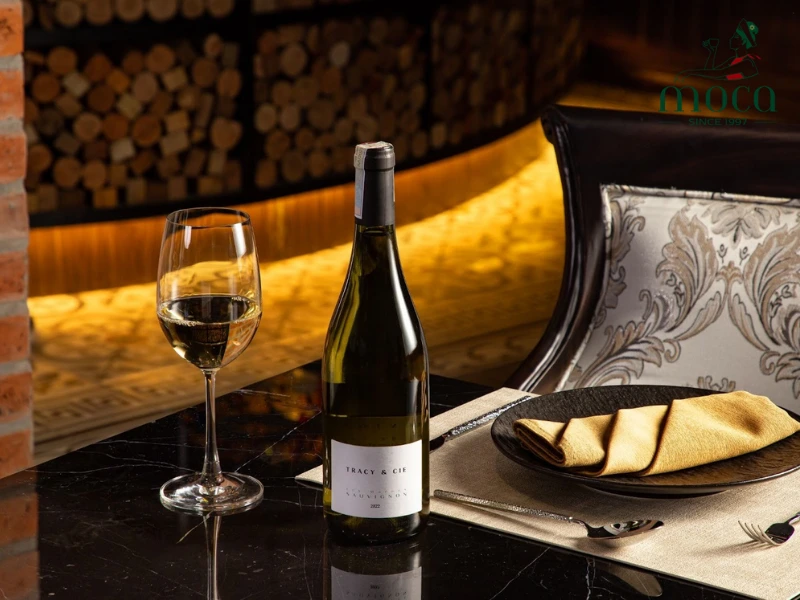
The Strategic Curation of a Diverse and Prestigious Wine Collection
With the technical foundation secured, the art of curation begins. A great collection is a testament to foresight, relationships, and a deep understanding of the viticultural world.
- Vertical Collections: We pride ourselves on maintaining vertical collections of key labels. This means holding multiple vintages of the same wine from the same producer. It allows our guests a remarkable opportunity to experience the evolution of a specific terroir over time. For example, one could compare a youthful, powerful vintage of a celebrated Bordeaux with a mature one from a decade prior, noting how the tannins have softened and the secondary aromas of leather and earth have emerged.
- Geographic Breadth: Our list is a global journey. We balance "Old World" classics from the hallowed vineyards of Burgundy, Bordeaux, and Piedmont with iconic "New World" producers from Napa Valley, Barossa Valley, and Mendoza. This ensures that whether your palate prefers the earthy minerality of a French classic or the bold fruit of a Californian Cabernet, our collection can accommodate.
- Rare and Allocation-Only Labels: A hallmark of premier restaurants with wine cellars is access to the inaccessible. Through long-standing relationships with winemakers and distributors, we source limited-production and allocation-only wines that are not available to the public. These bottles, often from cult producers or legendary estates, provide an exclusive draw for connoisseurs seeking a truly unique tasting experience.
- Varietal Diversity: The collection is curated to complement every facet of our culinary offerings. It spans the full spectrum, from the crisp, high-acidity of a German Riesling and the aromatic elegance of a Northern Rhône Syrah to the robust, tannin-heavy structure of an Italian Barolo and the complex, honeyed sweetness of a classic Sauternes.
3. The Sommelier’s Stewardship of the Cellar Ecosystem
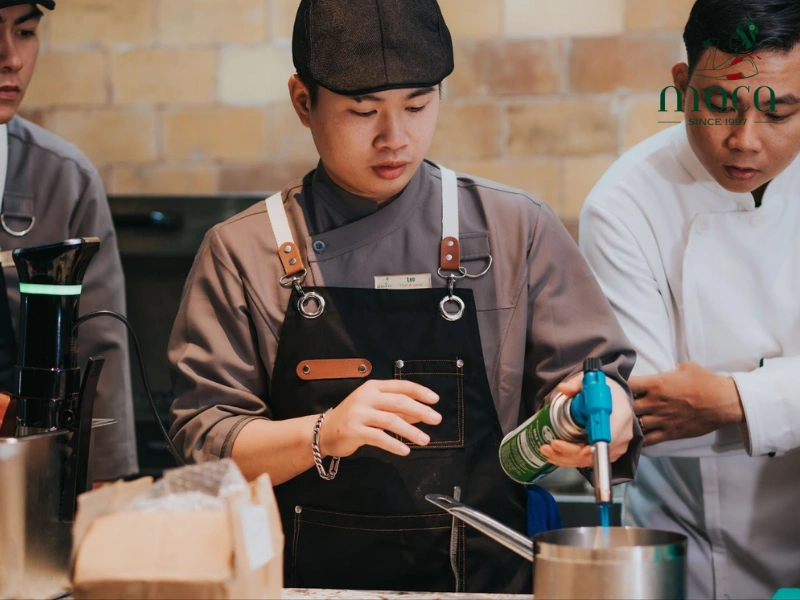
The Sommelier’s Stewardship of the Cellar Ecosystem
The sommelier is the living link between the cellar and the guest, a steward responsible for both the wine's long-term health and its final, perfect presentation.
3.1. Inventory Management and Cellar Rotation
Managing thousands of bottles is a complex logistical feat. Our sommeliers employ sophisticated inventory systems to track every bottle's location, purchase date, and ideal drinking window. This involves a dual strategy: a "First In, First Out" (FIFO) approach is used for younger wines meant for near-term consumption, while investment-grade bottles destined for decades of maturation are laid down in the deepest, most undisturbed sections of the cellar to "sleep" until they reach their peak.
3.2. The Transition from Cellar to Table
The journey from cellar rack to your glass is a ritual governed by professional protocol. When a bottle is ordered, it is retrieved with the utmost care. The sommelier inspects the capsule and ullage (the fill level) for any signs of spoilage. For older red wines, the bottle is carried horizontally in a decanting basket to avoid disturbing the sediment. The wine is then presented at the correct "cellar temperature" and, if necessary, decanted.
- Example of Purpose: Decanting serves two purposes. For a young, tannic red, it aerates the wine, softening the tannins and allowing the bouquet to open up. For a venerable, aged vintage, it is a delicate process of separating the clear wine from its natural sediment, ensuring the final pour is pristine.
4. How a Dedicated Wine Cellar Enhances the Gastronomic Narrative
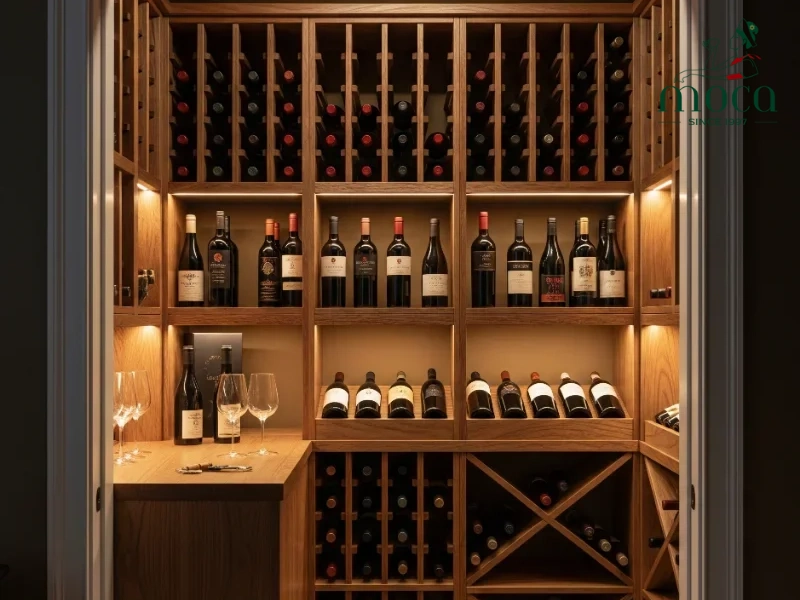
How a Dedicated Wine Cellar Enhances the Gastronomic Narrative
Ultimately, the restaurant wine cellar exists to enrich the story of your meal, transforming it from sustenance into a multi-sensory, intellectual journey.
4.1. Storytelling Through Viticulture
Each bottle is a time capsule, a liquid snapshot of a particular place and time. A well-managed cellar and a knowledgeable sommelier allow us to share these stories with you. We can speak of the challenging weather of a specific vintage, the innovative techniques of the winemaker, or the unique mineral composition of the soil that gives a wine its signature character. This adds a profound layer of context and appreciation to the dining experience.
4.2. Facilitating Bespoke Pairing Experiences
An extensive cellar provides the flexibility to move beyond standard pairings and create truly bespoke experiences. With a vast selection at our disposal, our sommeliers can tailor a flight of wines to your specific preferences or to the unique nuances of our chef's tasting menu. Furthermore, by utilizing state-of-the-art preservation systems like Coravin, we can offer you a glass from an exceptionally rare or old bottle without committing to opening the entire thing, making the inaccessible accessible for a singular, perfect pour.
5. Experience the Curated Excellence of the Moca Dining Wine Cellar
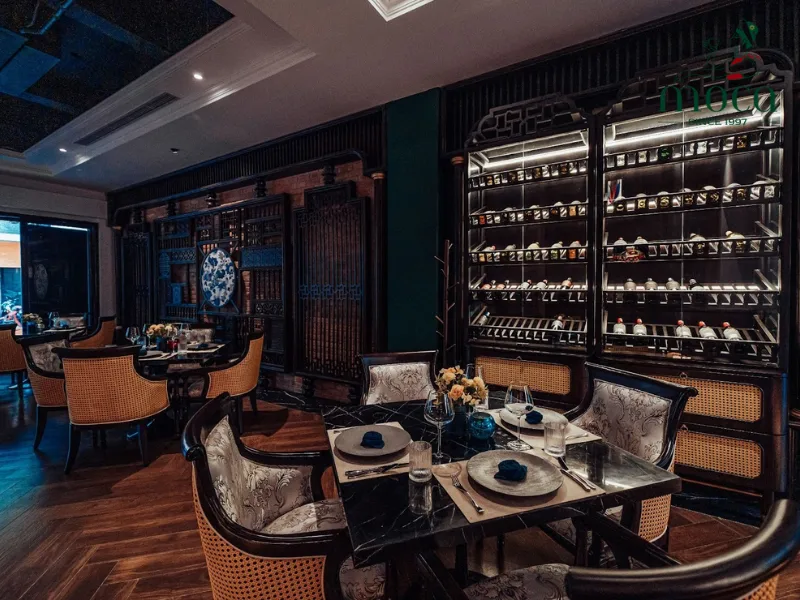
Experience the Curated Excellence of the Moca Dining Wine Cellar
We believe our wine program is an extension of our culinary philosophy: a commitment to quality, authenticity, and an unforgettable guest experience.
- The Signature Vault: We invite you to inquire about our climate-controlled sanctuary, which houses Moca Dining’s most prestigious labels and rare acquisitions - a testament to our dedication to the art of wine preservation.
- Sommelier-Guided Exploration: Our resident experts are delighted to offer personalized consultations to help you navigate our extensive list, finding the perfect bottle to elevate your occasion.
- Exclusive Vintages: Our partnerships with boutique vineyards and world-renowned estates allow us to bring "off-market" bottles directly to your table, offering a taste of true exclusivity.
- The Moca Preservation Standard: We utilize state-of-the-art technology and time-honored techniques to ensure that every glass poured, whether from a new release or a decades-old vintage, is in its absolute peak condition.
In conclusion, a professional restaurant wine cellar is a critical and defining pillar of the fine dining infrastructure. It is a declaration of respect for the immense work of the winemaker and a profound commitment to the guest's experience. It represents an investment not just in inventory, but in the preservation of art and the creation of lasting memories. We cordially invite you to explore the depths of our collection and discover the perfect narrative for your next milestone occasion at Moca Dining.