








- 1. The essence of French fine dining: A cultural immersion
- 1.1. Historical roots and evolution
- 1.2. The philosophy of "Joie de Vivre" in dining
- 1.3. The modern landscape: "Casual Fine Dining"
- 2. Navigating the culinary journey: Understanding the menu and courses
- 2.1. The traditional multi-course structure
- 2.2. Signature dishes and regional specialties
- 2.3. The role of wine and pairing
- 3. Mastering the art of etiquette: A guide to the dining experience
- 3.1. Pre-dining essentials
- 3.2. During the meal: Table manners and interaction
- 3.3. Key French phrases for diners
- 4. Selecting your French fine dining destination
For centuries, French fine dining has stood as the undisputed benchmark for culinary excellence worldwide. It is an art form, a cultural institution, and the epitome of gastronomic sophistication. The philosophy extends far beyond the plate; it is a holistic culinary experience deeply rooted in history, artistry, and the French concept of joie de vivre—the joy of living. This guide serves to demystify the world of haute cuisine, offering insights for both the seasoned connoisseur and the curious newcomer embarking on their first epicurean journey.
1. The essence of French fine dining: A cultural immersion
Understanding the "why" behind French culinary traditions is the first step to truly appreciating them. This is not merely about food; it is about participating in a rich cultural narrative that has been refined over generations.
1.1. Historical roots and evolution
The origins of haute cuisine trace back to the opulent banquets of the French monarchy, where lavish presentations and complex dishes were a display of power and prestige. However, it was the French Revolution that democratized this exclusive world, leading to the birth of the modern restaurant.
Culinary masters like Auguste Escoffier later codified French gastronomy in the late 19th and early 20th centuries, establishing the systematic kitchen structure (the "brigade system") and classic techniques that remain the foundation of professional kitchens globally. He transformed cooking from a craft into a respected profession, elevating the chef to an artist.
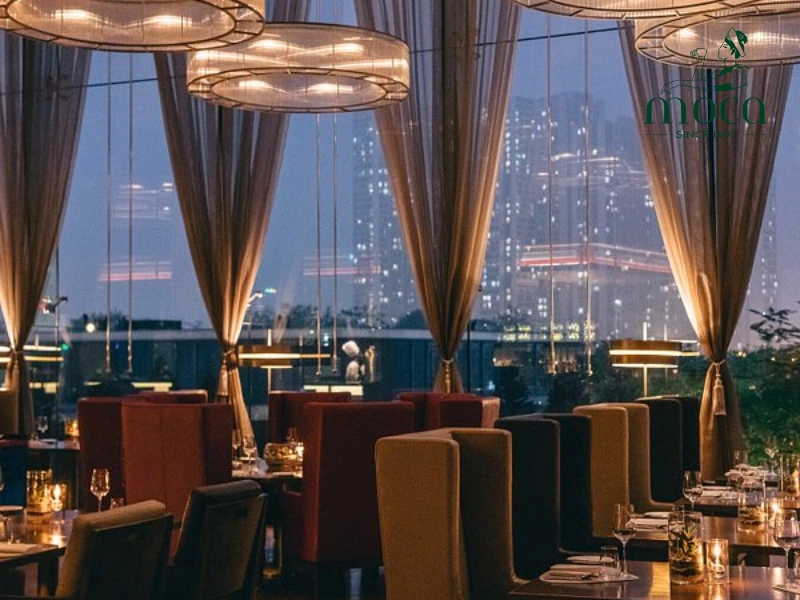
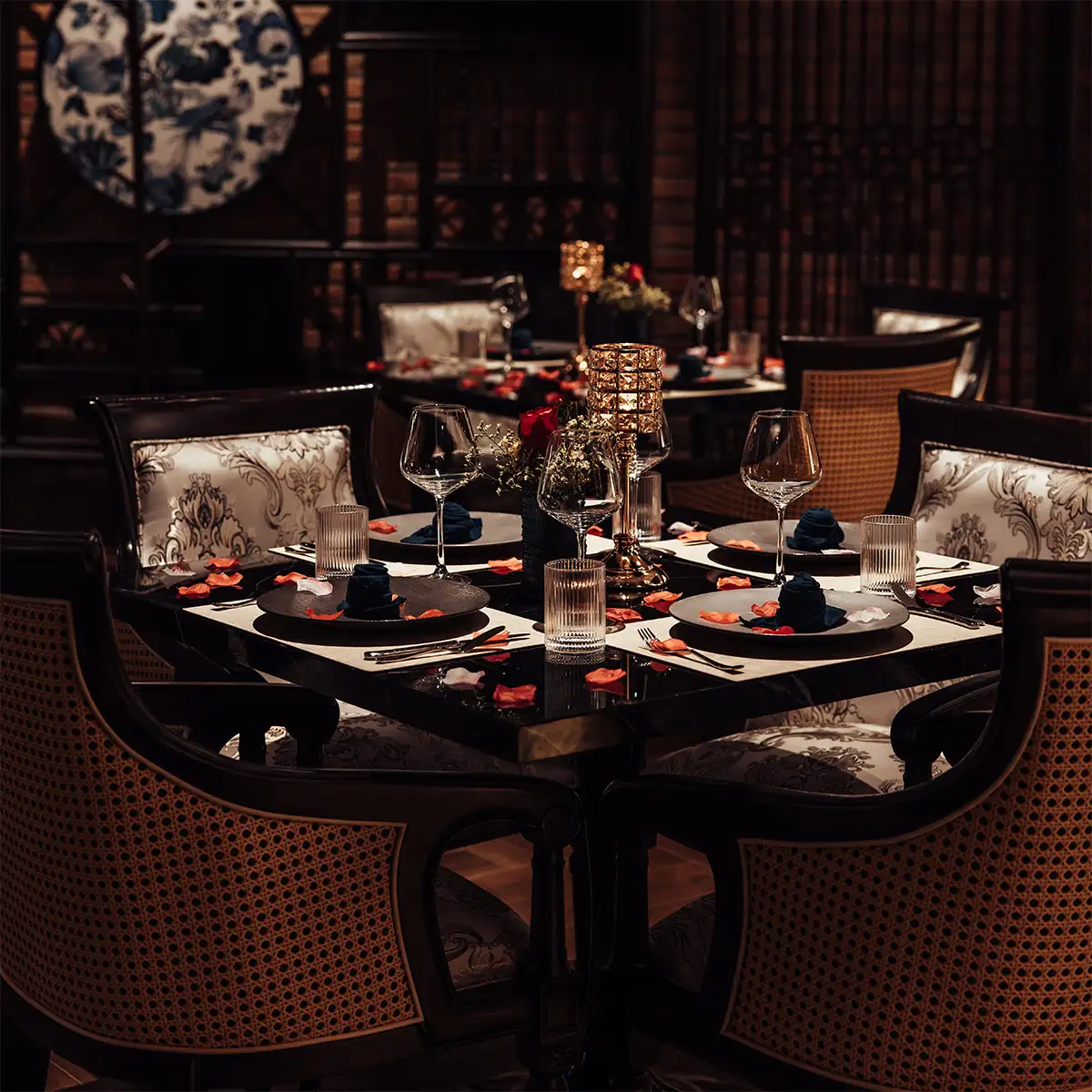
French fine dining: where history, art, and cuisine converge.
1.2. The philosophy of "Joie de Vivre" in dining
At its core, the French approach to dining is a celebration of life itself. It champions the act of savoring moments, engaging in thoughtful conversation, and appreciating the quality of ingredients. This stands in stark contrast to fast-paced dining cultures where efficiency often trumps enjoyment.
A classic example is the French lunch break, which is culturally protected as a time to disconnect and enjoy a proper meal, often lasting up to two hours. This is not seen as lost time, but as a vital investment in well-being and social connection, illustrating a deep-seated belief that a meal is an event to be cherished, not rushed. This philosophy is the soul of the French fine dining experience.
1.3. The modern landscape: "Casual Fine Dining"
While tradition is paramount, the world of high-end French restaurants is not static. A significant modern trend is the rise of "casual fine dining," where establishments balance revered culinary standards with a more accessible and relaxed ambiance. These restaurants may forego white tablecloths and formal service codes in favor of a more vibrant, approachable atmosphere.
However, the commitment to exceptional ingredients, precise technique, and thoughtful service remains unwavering. For instance, celebrated Michelin-starred restaurants like Septime in Paris have championed this movement, proving that world-class cuisine can be enjoyed without pretense, making the gourmet dining experience more inclusive than ever.
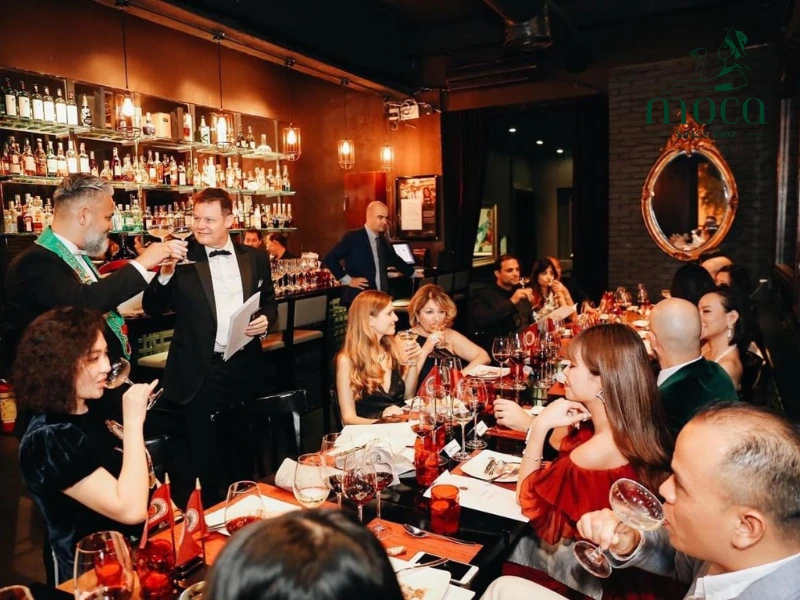
A French lunch: not just a meal, but a moment to savor life.
2. Navigating the culinary journey: Understanding the menu and courses
The structure of a French fine dining meal is a carefully orchestrated progression of flavors and textures designed to delight the palate from start to finish. This journey through a multi-course meal is a hallmark of the experience.
2.1. The traditional multi-course structure
- While menus vary, the classic flow follows a distinct and logical sequence.Canapés & Amuse-bouche: These are not ordered but are offered by the chef. Canapés are small, savory bites served with an apéritif, while an amuse-bouche is a single, bite-sized offering that provides a glimpse into the chef's style and awakens the palate.
- Entrée (Starter): A lighter, often intricate dish designed to stimulate the appetite. It might feature seafood, a delicate vegetable preparation, or a small portion of pâté.
- Plat Principal (Main Course): The centerpiece of the meal, featuring a protein such as fish, poultry, or meat, accompanied by expertly prepared vegetables and a complementary sauce. This is where signature dishes like Boeuf Bourguignon or pan-seared duck breast shine.
- Fromage (Cheese Course): A uniquely French tradition, the cheese course is served before dessert. A selection of cheeses, often regional, is presented, typically moving from mild to strong in flavor.
- Dessert: The sweet conclusion, ranging from classic soufflés and crème brûlée to modern, deconstructed creations.
- Mignardises & Petit Fours: Similar to the amuse-bouche, these are small, post-dessert sweets served with coffee or tea, providing a final, delightful flourish to the meal.
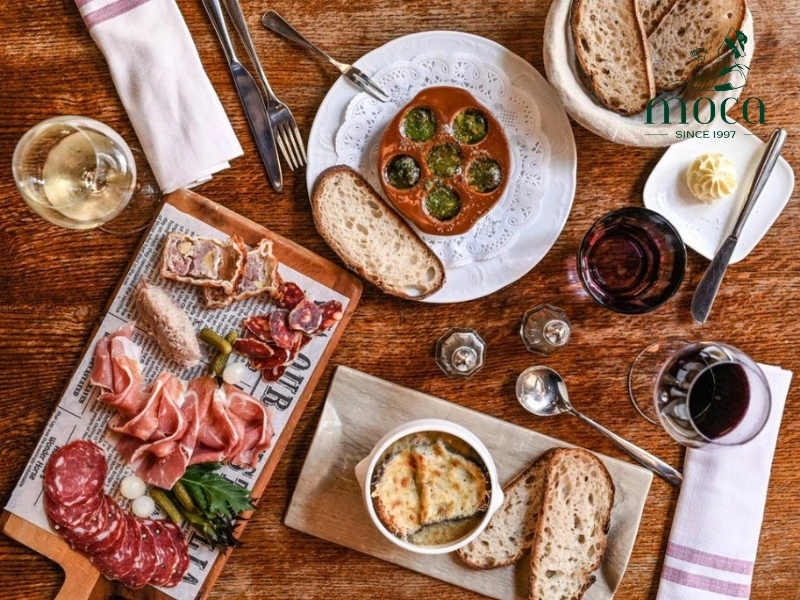
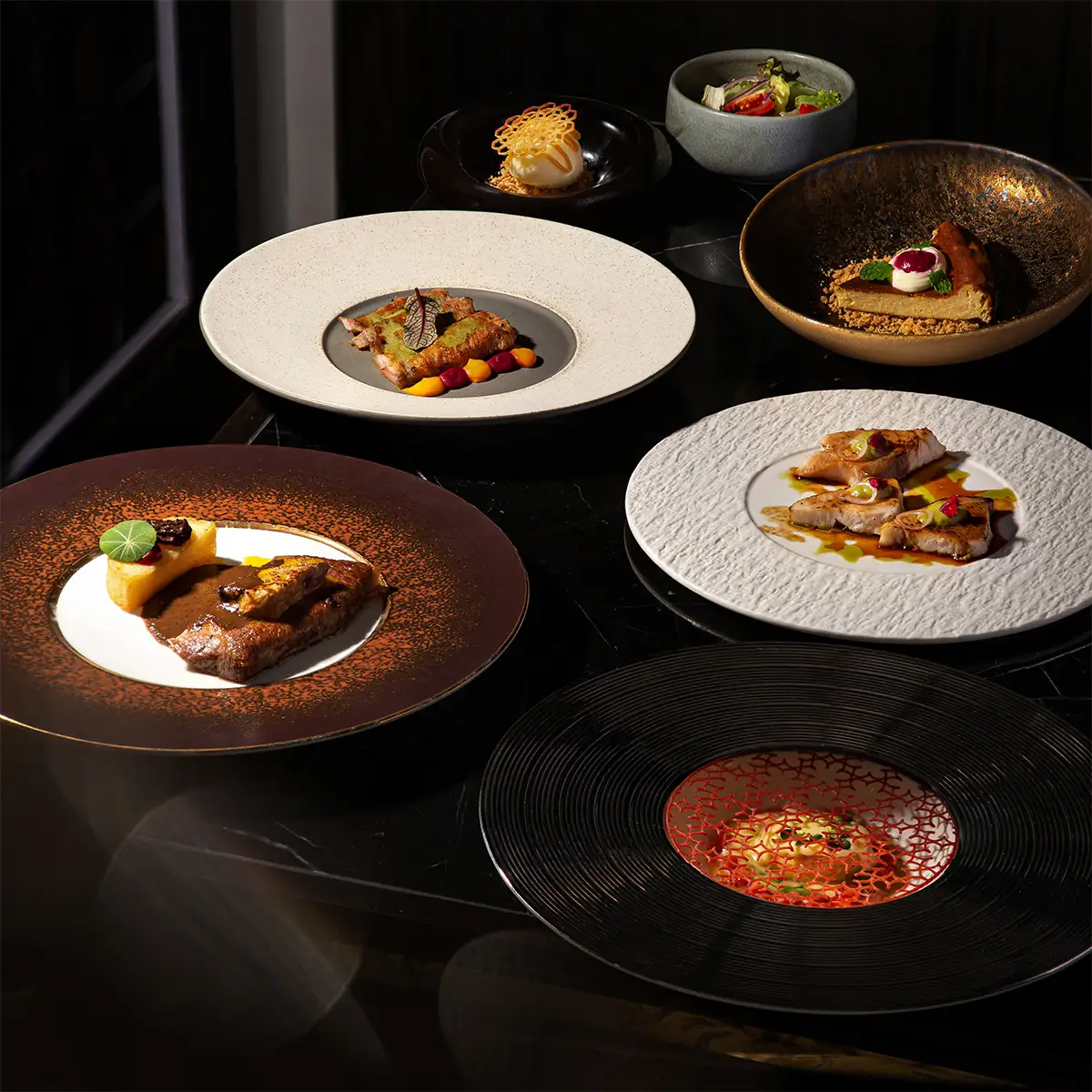
A French fine dining journey: from the first amuse-bouche to the final petit four, every course tells a story.
2.2. Signature dishes and regional specialties
The repertoire of exquisite French cuisine is vast. Hallmarks often involve specific techniques and ingredients. Slow-braising, as seen in Coq au Vin, develops profound depth of flavor. Emulsification is key to creating velvety sauces like hollandaise or beurre blanc.
The quality of foundational ingredients—unsalted butter from Normandy, seasonal vegetables from Provence, and artisanal cheeses from across the country—is non-negotiable and forms the backbone of this celebrated culinary art.
2.3. The role of wine and pairing
In France, wine is not an accompaniment to the meal; it is an integral part of it. The wine list, or carte des vins, can be extensive, and the sommelier is your expert guide. Their role is to help you select a wine that complements your food choices and suits your palate and budget. Classic wine pairings are a cornerstone of the experience.
For instance, the crisp acidity of a Sancerre from the Loire Valley cuts beautifully through the richness of goat cheese. A full-bodied Bordeaux is the quintessential partner for roasted lamb, while the delicate sweetness of a Sauternes is a sublime match for rich Foie Gras.
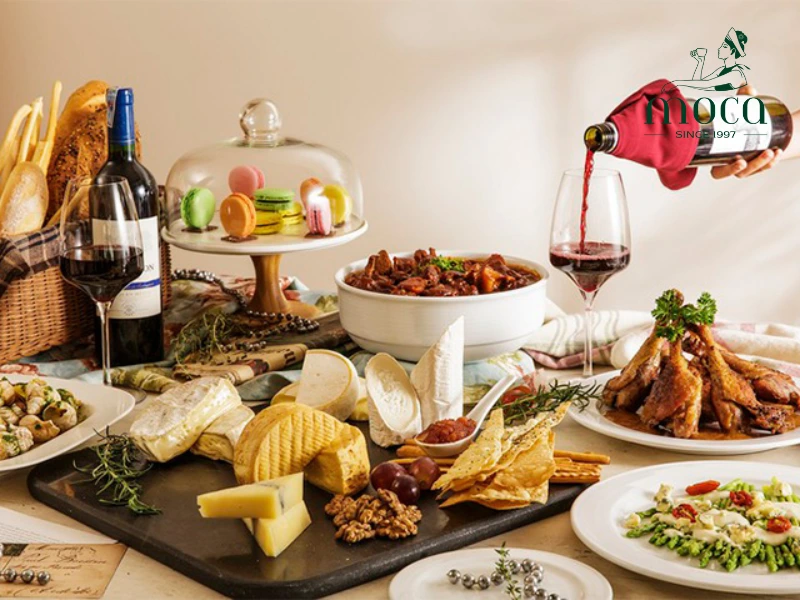
From Coq au Vin to Normandy butter — French cuisine is a celebration of place and precision.
3. Mastering the art of etiquette: A guide to the dining experience
Navigating French dining etiquette is simple when you approach it with respect and mindfulness. These customs are designed to enhance the experience for everyone.
3.1. Pre-dining essentials
- Reservations: For any French fine dining establishment, reservations are essential. They can often be made online or by phone weeks in advance.
- Dress code: While "casual fine dining" has relaxed standards, it is always best to dress smartly. For traditional haute cuisine restaurants, a jacket for gentlemen may be expected. It is wise to inquire about the dress code when making your reservation.
- Arrival protocol: Arrive on time. Greet the host with a polite "Bonjour" (during the day) or "Bonsoir" (in the evening) and wait to be shown to your table.
3.2. During the meal: Table manners and interaction
- Pacing: Embrace the leisurely pace. A meal is a marathon, not a sprint.
- Bread etiquette: In traditional settings, bread is placed directly on the tablecloth to the left of your plate, not on a side plate.
- Ordering: When ready to order, close your menu. To get a server's attention, try to make eye contact rather than calling out.
- Tipping: In France, the bill includes a service charge ("service compris"). While not obligatory, leaving a small extra amount (a "pourboire," typically 5-10%) for exceptional service is a gesture of appreciation.
3.3. Key French phrases for diners
A few basic phrases show respect for the culture and will be warmly received.
- Bonjour/Bonsoir: Hello (Good day/Good evening)
- S'il vous plaît: Please
- Merci: Thank you
- La carte, s'il vous plaît: The menu, please.
- L'addition, s'il vous plaît: The bill, please.
- C'était délicieux: It was delicious.
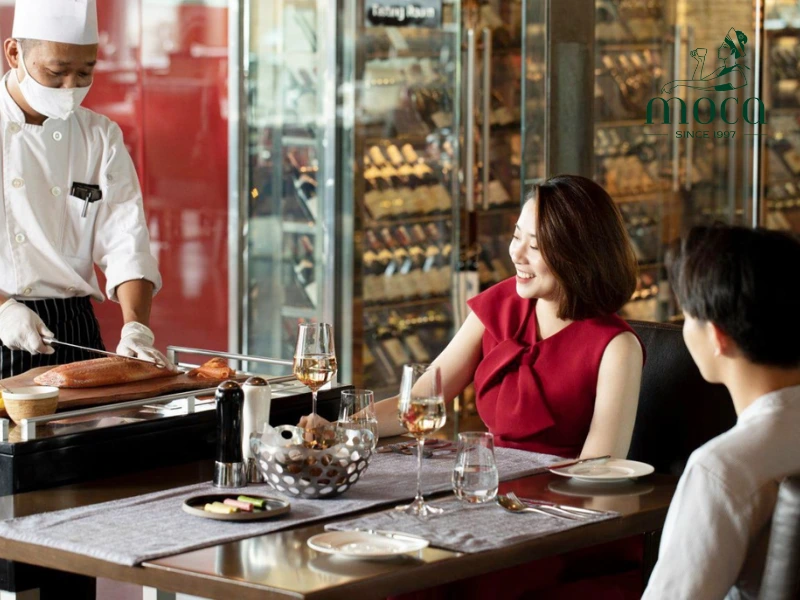
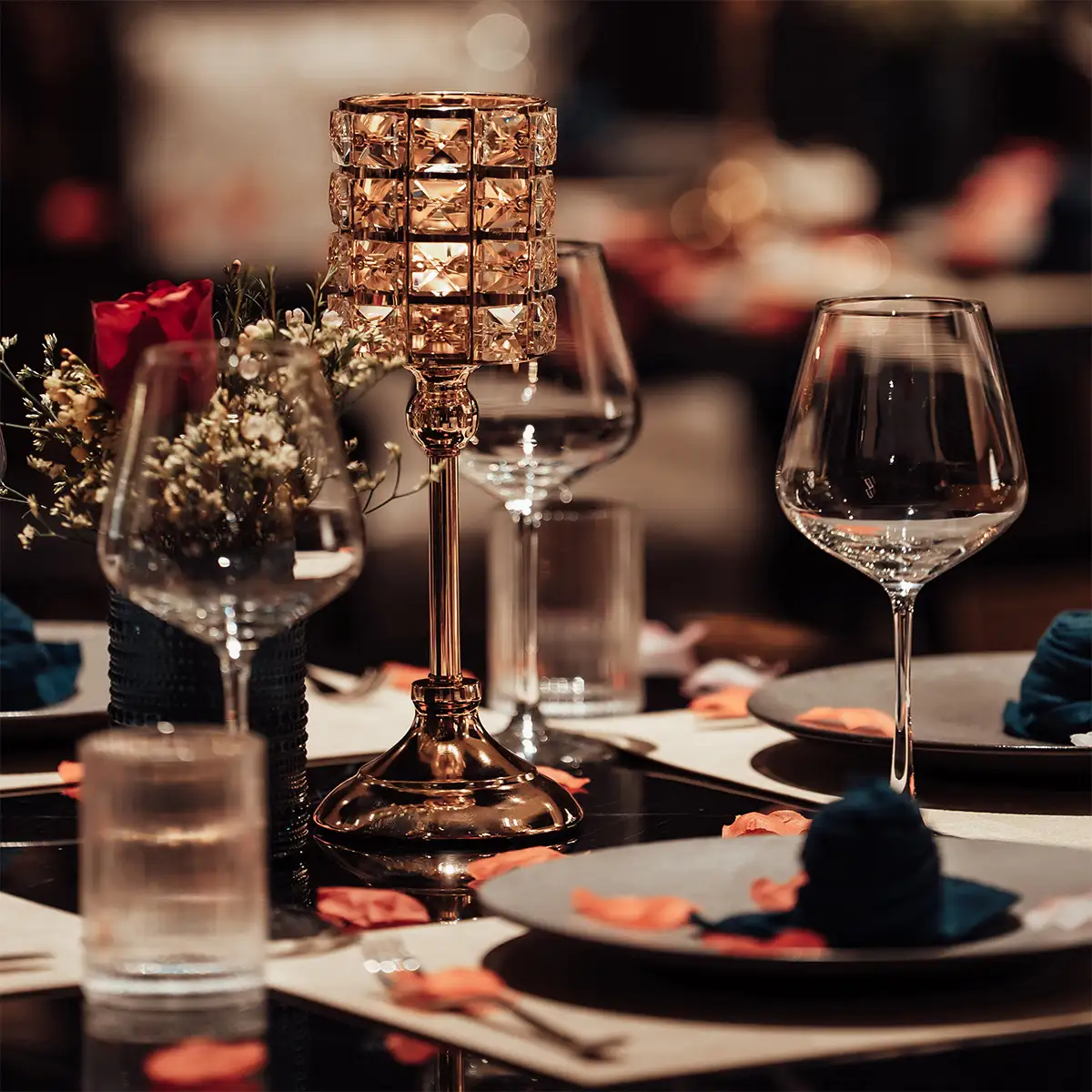
Grace and subtlety define the French way of dining
4. Selecting your French fine dining destination
Choosing the right restaurant is crucial for an authentic and memorable experience.
- Identifying authentic establishments: Learn to spot the red flags of tourist traps: menus with pictures or translated into numerous languages, and staff outside trying to lure you in. An authentic establishment will have a seasonal menu that changes based on the availability of fresh ingredients and will be frequented by locals. These are strong indicators of quality and integrity.
- Leveraging guides and recommendations: Reputable culinary guides are invaluable. The Michelin Guide is the most famous, awarding stars for exceptional quality. Gault & Millau is another respected guide that focuses intensely on the food itself. Understanding restaurant classifications is also helpful: a Bistro is typically small and casual, a Brasserie is larger and more bustling, and a Restaurant usually implies a more formal dining experience. When researching reviews, look for consistent praise regarding food quality, service, and ambiance, and prioritize recent feedback.
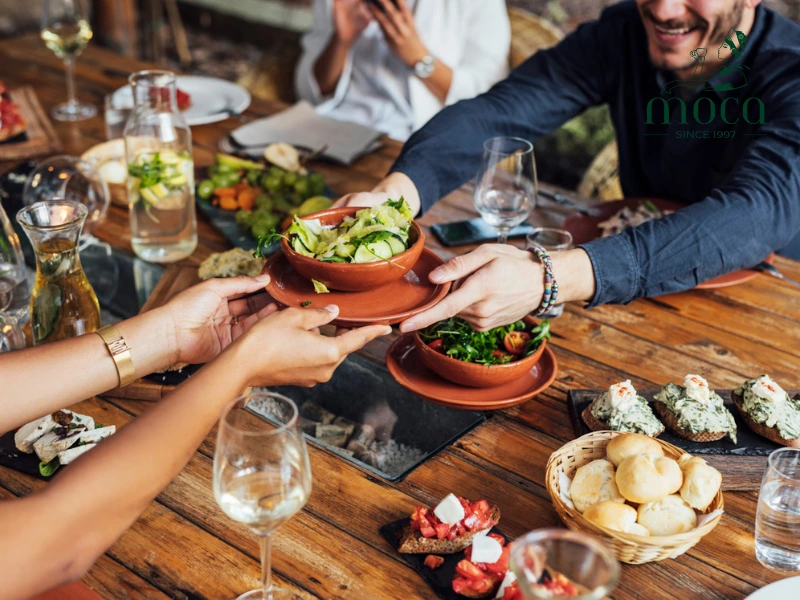
From cozy bistros to Michelin stars — know where you’re dining, and why.
Ultimately, French fine dining is a rich, evolving, and deeply cultural culinary experience. It is an invitation to slow down, to engage all your senses, and to appreciate the meticulous craftsmanship that transforms a meal into a lasting memory. We encourage you to embrace this journey with an open mind and savor every nuance of the culinary tapestry presented to you. Experience the unparalleled elegance and exquisite flavors of French fine dining at Moca Dining, where tradition meets innovation in every dish. Make your reservation today and discover your next unforgettable culinary adventure with us.