









- 1. Demystifying Fine Dining: Core Principles for the Home Cook
- 1.1. Beyond the Price Tag: Understanding the Essence of Fine Dining
- 1.2. Essential Mindset: Patience, Precision, and Passion
- 1.3. Building Your Fine Dining Toolkit: Basic Equipment Recommendations
- 2. Foundational Techniques for Fine Dining Beginners
- 2.1. Mastering Basic Knife Skills: The Foundation of Precision
- 2.2. The Art of Sauces: Elevating Flavors with Simplicity
- 2.3. Perfecting Protein Cookery: Searing, Roasting, and Poaching
- 2.4. Vegetable Transformation: Textures and Flavors
- 3. Approachable Fine Dining Recipes for Your First Culinary Masterpiece
- 3.1. Elegant Appetizer: Seared Scallops with Lemon Butter Sauce
- 3.2. Sophisticated Main Course: Pan-Seared Duck Breast with Cherry Reduction
- 3.3. Refined Dessert: Deconstructed Berry Crumble with Crème Anglaise
- 4. The Art of Presentation: Plating Like a Pro
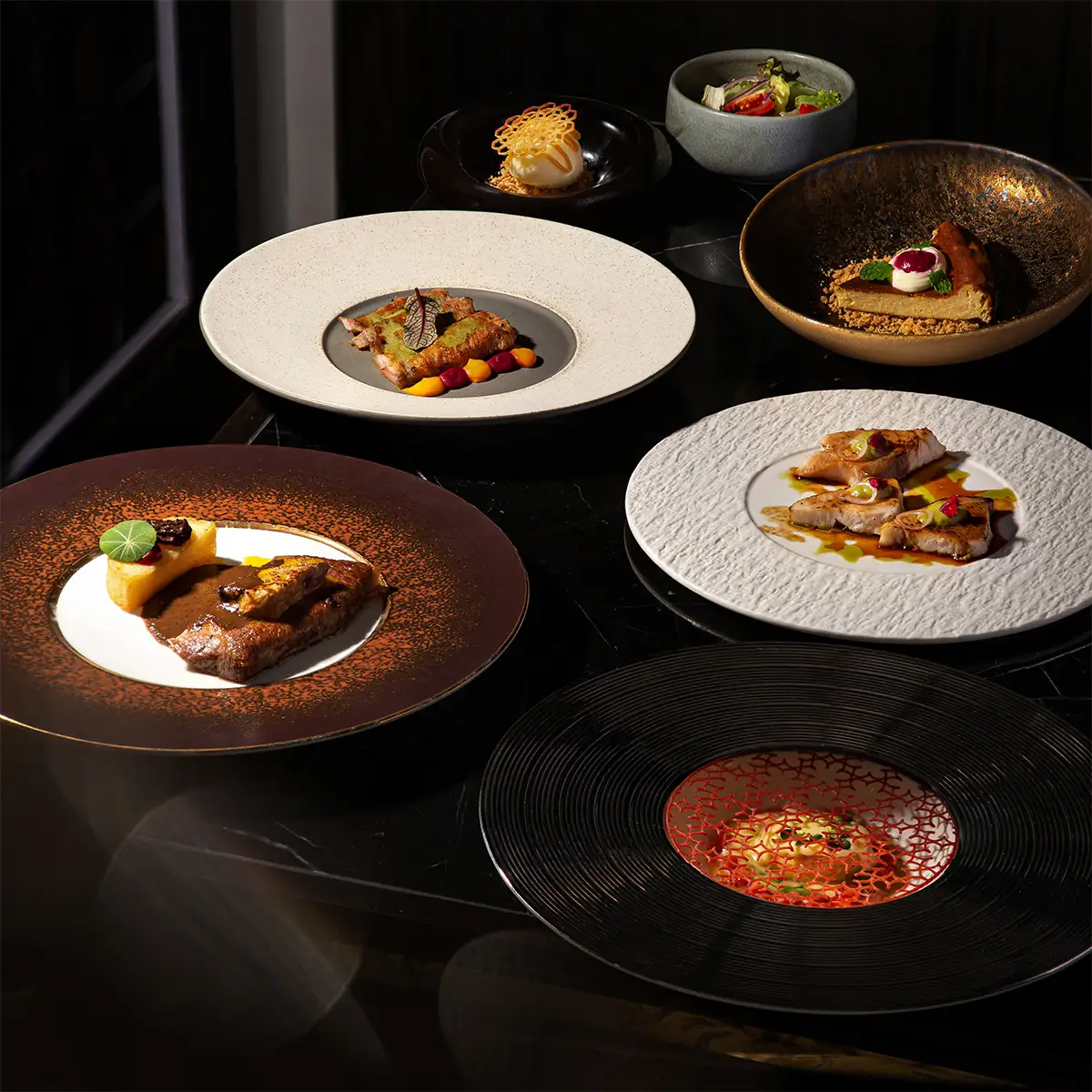
- 4.1. Color, Texture, and Height: The Visual Elements
- 4.2. Strategic Garnishing: Less is More
- 5. Elevating the Dining Experience: Beyond the Plate
- 5.1. Ambiance and Setting: Creating the Mood
- 5.2. Wine and Beverage Pairing Basics
- 5.3. When to Indulge: The Value of Professional Fine Dining
The allure of fine dining, with its exquisite flavors, meticulous presentation, and unparalleled experience, often seems reserved for professional chefs or exclusive restaurants. However, the art of creating sophisticated dishes is not beyond the reach of the dedicated home cook. At Moca Dining, we have crafted this guide specifically for beginners, introducing a carefully curated collection of fine dining recipes for beginners to help demystify the world of gourmet cooking. By breaking down complex concepts into manageable steps, offering approachable recipes, and equipping you with foundational techniques, we will help you elevate your cooking. Prepare to transform your kitchen into a canvas for culinary artistry and impress with dishes that speak of elegance and precision.
1. Demystifying Fine Dining: Core Principles for the Home Cook
Demystifying Fine Dining: Core Principles for the Home Cook
Embarking on your journey into fine dining at home begins with understanding its essence, not just replicating its appearance. This section lays the groundwork for a successful and rewarding culinary endeavor.
1.1. Beyond the Price Tag: Understanding the Essence of Fine Dining
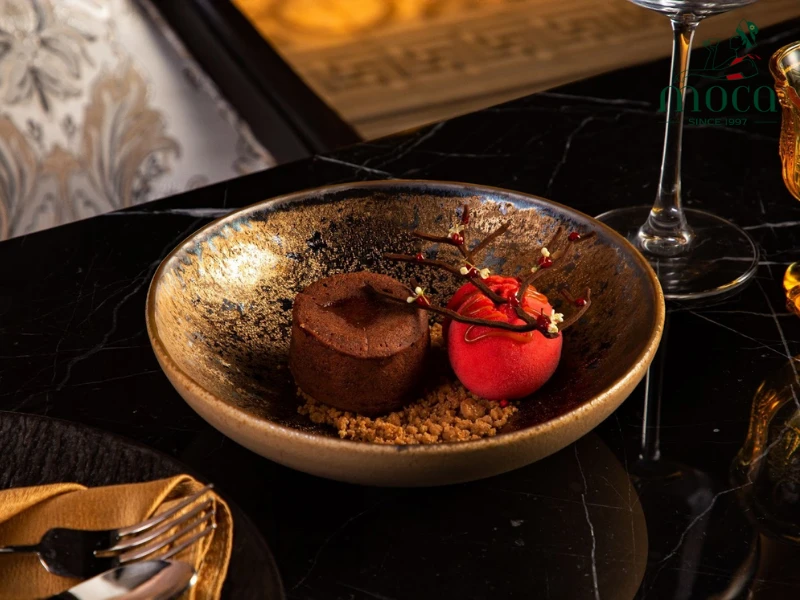
Beyond the Price Tag: Understanding the Essence of Fine Dining
True fine dining is a philosophy built on four essential pillars. Mastering these concepts is the first step toward creating exceptional meals.
- Quality Ingredients: The foundation of any memorable dish is the quality of its components. We emphasize sourcing fresh, seasonal, and high-quality ingredients. The difference between a standard tomato and a sun-ripened heirloom tomato in peak season is not subtle; it is the core of the dish's flavor. Superior ingredients possess a natural depth and complexity that require less manipulation, allowing their inherent excellence to shine through.
- Precision and Technique: Gourmet cooking is a discipline of control. This means embracing accurate measurements (a digital scale is a chef's best friend), consistent knife cuts for even cooking and refined texture, and controlled cooking methods. Understanding how to maintain a gentle simmer versus a rolling boil, for instance, is crucial for achieving the desired outcome.
- Flavor Harmony and Balance: A great dish is a symphony of flavors. Learn to build layers of taste by understanding complementary and contrasting elements. For example, the richness of a fatty protein like duck breast is beautifully cut by the acidity of a cherry sauce. Salt enhances sweetness, bitterness can balance richness, and umami adds a profound savory depth.
- Presentation and Plating: We eat with our eyes first. The final arrangement on the plate is not an afterthought; it is the culmination of your effort. Thoughtful plating enhances the dining experience, turning a simple meal into an occasion.
1.2. Essential Mindset: Patience, Precision, and Passion
Beyond ingredients and tools, the right mindset is indispensable.
- Patience: Great flavor cannot be rushed. Whether you are slowly rendering the fat from a duck breast or allowing a sauce to reduce and concentrate its essence, patience is paramount. It is in these unhurried moments that flavors truly develop and meld.
- Precision: As mentioned, precision is key. In baking and pastry, it is a non-negotiable science. In savory cooking, it ensures consistency. A precisely cooked medium-rare steak is a completely different experience from one that is overcooked by a mere minute.
- Passion: Ultimately, the most important ingredient is your passion. The joy of creating something beautiful and delicious is the driving force behind every great chef and home cook. Embrace experimentation and view mistakes not as failures, but as learning opportunities on your culinary journey.
1.3. Building Your Fine Dining Toolkit: Basic Equipment Recommendations
While you do not need a professional kitchen, a few key pieces of equipment will significantly improve your results.
- Sharp Knives: A high-quality, sharp chef's knife is the single most important tool in any kitchen. It makes prep work safer, faster, and more precise.
- Accurate Measuring Tools: A digital kitchen scale provides far more accuracy than volume measurements (cups), which is critical for consistency, especially in baking and sauce-making.
- Plating Tweezers: For delicate placement of garnishes and small components, tweezers offer a level of control that fingers or forks cannot match.
- Digital Thermometer: Remove the guesswork from cooking proteins. An instant-read thermometer is the only way to guarantee your meat, poultry, or fish is cooked to the perfect temperature.
- Quality Cookware: A heavy-bottomed pan (like stainless steel or cast iron) provides even heat distribution, which is essential for achieving a perfect sear without hot spots.
2. Foundational Techniques for Fine Dining Beginners
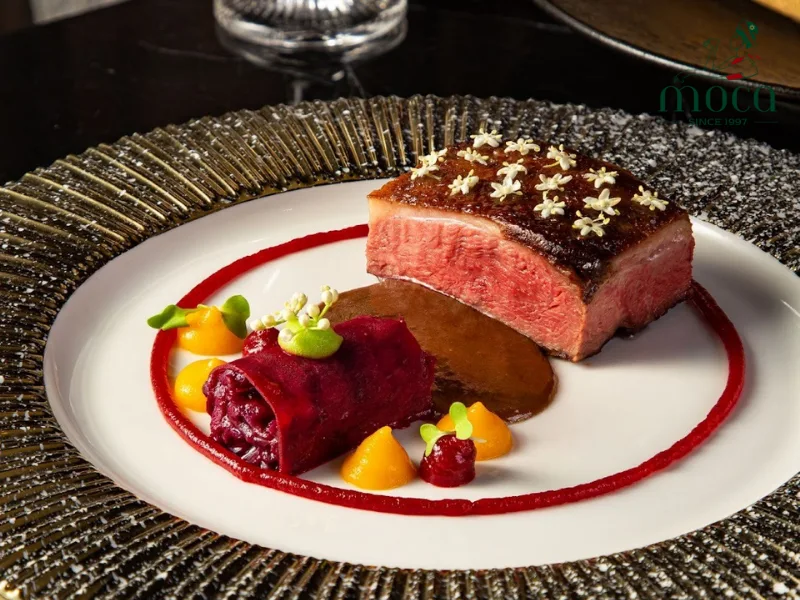
Foundational Techniques for Fine Dining Beginners
Mastering a few core culinary techniques can dramatically elevate your home cooking, making the world of fine dining accessible.
2.1. Mastering Basic Knife Skills: The Foundation of Precision
Your ability to control a knife dictates the final look and texture of your dish.
- Proper Knife Grip and Safety: Hold the knife with a "pinch grip," where your thumb and forefinger pinch the blade just in front of the handle. This provides maximum control. Always work on a stable cutting board (place a damp paper towel underneath to prevent slipping).
- Basic Cuts: Learn a few key cuts. A julienne (long, thin strips) is perfect for elegant salads or garnishes. A brunoise (a very fine dice, about 3mm) is ideal for sauces and fillings where you want texture without large pieces. A chiffonade (thinly sliced herbs or leafy greens) releases flavor and looks beautiful.
- Example: Practice dicing a carrot into a uniform brunoise. Notice how the consistent size allows every piece to cook at the same rate, resulting in a more refined texture in a finished sauce or soup.
2.2. The Art of Sauces: Elevating Flavors with Simplicity
A well-made sauce can transform a good dish into a great one.
- Pan Sauces: This is one of the most valuable techniques. After searing a protein, you are left with browned bits stuck to the pan, known as the "fond." This is concentrated flavor. By deglazing the pan—adding a liquid like wine, stock, or even water—you can scrape up the fond and create a deeply flavorful sauce in minutes.
- Vinaigrettes: A classic vinaigrette is a simple emulsion of oil and acid (like vinegar or citrus juice), typically in a 3:1 ratio. Mastering this balance allows you to create dressings for salads or light sauces for fish and vegetables.
- Simple Reductions: By gently simmering a liquid like wine, stock, or balsamic vinegar, you evaporate the water and concentrate the flavor, creating a thicker, more intense sauce.
- Example: A classic beurre blanc, an emulsion of butter, white wine, and shallots, is a luxurious yet simple sauce that pairs beautifully with fish or chicken.
2.3. Perfecting Protein Cookery: Searing, Roasting, and Poaching
Cooking protein to the correct temperature and with the right texture is a hallmark of fine dining.
-
Searing: This high-heat technique is used to create a flavorful, browned crust on meats and fish. The key is a very hot pan and a dry surface on the protein.
- Scientific Insight: This browning is caused by the Maillard Reaction, a complex chemical reaction between amino acids and reducing sugars. As explained by food science resources like Serious Eats, this reaction creates hundreds of new aroma and flavor compounds responsible for the savory, "roasted" character we love.
- Example: To achieve a perfect sear on scallops, pat them completely dry, season them, and place them in a hot, oiled pan. Cook for 60-90 seconds per side without moving them until a deep golden-brown crust forms.
- Roasting: This dry-heat method uses an oven to cook food, developing deep, savory flavors. It is ideal for larger cuts of meat or whole vegetables.
- Poaching: This gentle, moist-heat cooking method is perfect for delicate proteins like fish, eggs, or chicken breast. The item is submerged in a flavorful liquid (like stock, wine, or milk) kept just below a simmer, resulting in a tender, moist texture.
2.4. Vegetable Transformation: Textures and Flavors
Treat vegetables with the same respect as proteins.
- Blanching and Shocking: Blanching involves briefly cooking vegetables in boiling salted water, then "shocking" them in an ice bath. This process seasons the vegetable, preserves its vibrant color, and maintains a crisp-tender texture. It is perfect for green beans, asparagus, and broccoli.
- Glazing: This technique involves cooking vegetables in a small amount of liquid (like stock or water) with butter and a touch of sugar until the liquid has reduced to a shiny glaze that coats the vegetables. It adds a beautiful sheen and subtle sweetness, especially to root vegetables like carrots or turnips.
- Roasting Vegetables: Roasting at high heat brings out the natural sweetness of vegetables through caramelization, creating a delicious contrast of a browned exterior and a tender interior.
3. Approachable Fine Dining Recipes for Your First Culinary Masterpiece
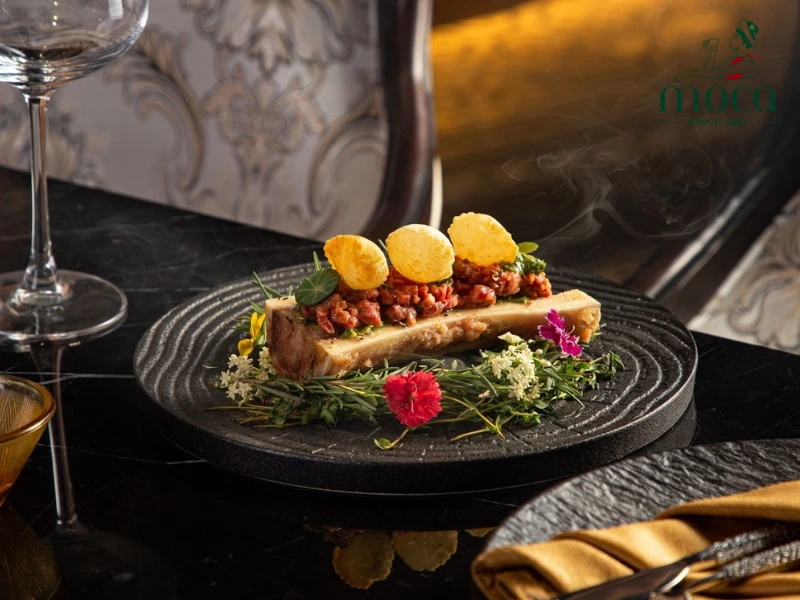
Approachable Fine Dining Recipes for Your First Culinary Masterpiece
These easy fine dining recipes are designed to introduce core concepts without overwhelming a beginner, focusing on achievable elegance and exquisite flavor. These are excellent fine dining recipes for beginners.
3.1. Elegant Appetizer: Seared Scallops with Lemon Butter Sauce
- Ingredients: 4-6 large, fresh sea scallops; 3 tablespoons unsalted butter; 1 small shallot, finely minced; 1/4 cup dry white wine (like Sauvignon Blanc); 1 tablespoon fresh lemon juice; fresh parsley or chives, chopped.
- Step-by-step Preparation: Pat scallops completely dry with a paper towel and season with salt and pepper. Heat 1 tablespoon of butter in a skillet over medium-high heat until shimmering. Sear scallops for 90 seconds per side, until a golden crust forms. Remove and set aside. Reduce heat to medium, add the shallot to the pan, and cook for 1 minute. Deglaze with white wine, scraping up any browned bits. Simmer until the wine is reduced by half. Turn off the heat and whisk in the remaining 2 tablespoons of butter, one piece at a time, to create an emulsified sauce. Stir in lemon juice and herbs.
- Plating Tip: Arrange 2-3 scallops in the center of a small plate. Drizzle the lemon butter sauce around them. Garnish with a sprinkle of fresh herbs.
3.2. Sophisticated Main Course: Pan-Seared Duck Breast with Cherry Reduction
- Ingredients: 1 boneless duck breast; 1 cup fresh or frozen cherries, pitted; 1/2 cup red wine; 1/2 cup chicken or duck stock; 1 shallot, minced; 1 sprig of thyme.
- Step-by-step Preparation: Using a sharp knife, score the fat cap of the duck breast in a crosshatch pattern, being careful not to cut into the meat. Season generously with salt. Place the duck breast, fat-side down, in a cold, dry skillet. Turn the heat to medium-low. Allow the fat to render slowly for 15-20 minutes, pouring off excess fat periodically, until the skin is thin, brown, and crispy. Increase heat to medium-high, flip the breast, and sear the meat side for 1-2 minutes for medium-rare. Remove from pan and let it rest. In the same pan, sauté the shallot for 1 minute. Add the red wine to deglaze, then add the cherries, stock, and thyme. Simmer until the sauce has thickened and reduced, about 10 minutes.
- Plating Tip: Slice the rested duck breast against the grain. Fan the slices elegantly on the plate. Spoon the cherry reduction over and around the duck. Serve with a parsnip purée or roasted asparagus for a complete, elegant meal.
3.3. Refined Dessert: Deconstructed Berry Crumble with Crème Anglaise
- Ingredients: For the crumble: 1/2 cup rolled oats, 1/2 cup flour, 1/4 cup brown sugar, 4 tbsp cold butter, cubed. For the Crème Anglaise: 1 cup whole milk, 1 vanilla bean (or 1 tsp vanilla extract), 3 large egg yolks, 3 tbsp granulated sugar. 1 cup mixed berries.
- Step-by-step Preparation: For the crumble, combine oats, flour, and sugar. Cut in the cold butter with your fingers until it resembles coarse crumbs. Spread on a baking sheet and bake at 375°F (190°C) for 10-15 minutes until golden. For the crème anglaise, heat milk and vanilla to a simmer. In a separate bowl, whisk egg yolks and sugar until pale. Slowly temper the hot milk into the egg mixture, whisking constantly. Return the entire mixture to the pot and cook over low heat, stirring constantly with a wooden spoon, until it thickens enough to coat the back of the spoon. Do not let it boil. Strain immediately.
- Plating Tip: This is a perfect example of a simple gourmet recipe. On a plate, spoon a pool of the crème anglaise. Place a small pile of fresh berries to one side. Artfully scatter the baked crumble over the top. Garnish with a single mint leaf.
4. The Art of Presentation: Plating Like a Pro
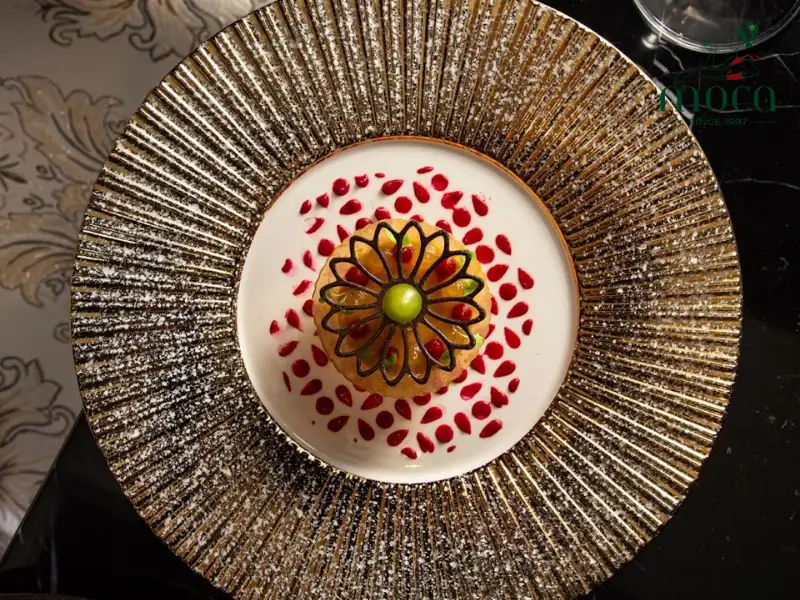
The Art of Presentation: Plating Like a Pro
Presentation is a cornerstone of fine dining. Learn to arrange food to maximize its visual appeal.
4.1. Color, Texture, and Height: The Visual Elements
- Color Contrast: Use ingredients with varying hues to make the plate pop. A green herb garnish on a red sauce, or vibrant orange carrots next to white fish, creates visual excitement.
- Textural Diversity: A dish is more interesting when it combines different textures. Think of the crunch of a crumble, the creaminess of a purée, the crispness of a seared skin, and the tenderness of poached fish.
- Adding Height: Create dimension by stacking components or using garnishes that add verticality. This makes the plate look more dynamic and professional.
4.2. Strategic Garnishing: Less is More
- Purposeful Garnishes: Every element on the plate should have a purpose. Use herbs, microgreens, edible flowers, or drizzles of oil that complement the flavor profile of the dish, rather than just adding clutter.
- Avoiding Overcrowding: Negative space is crucial. Do not cover the entire plate with food. The empty space acts as a frame, drawing the eye to the main components and creating a sense of elegance.
5. Elevating the Dining Experience: Beyond the Plate
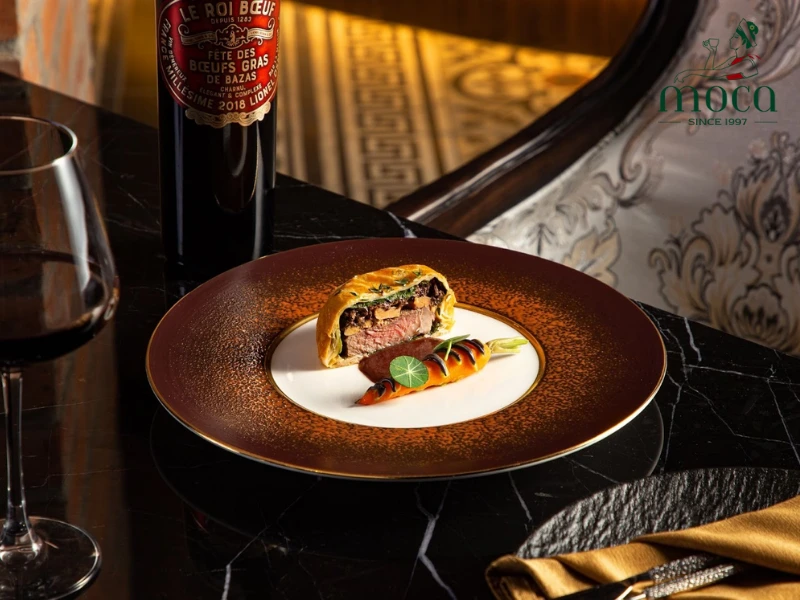
Elevating the Dining Experience: Beyond the Plate
Fine dining at home is an immersive experience. Consider the broader context to truly elevate your meals.
5.1. Ambiance and Setting: Creating the Mood
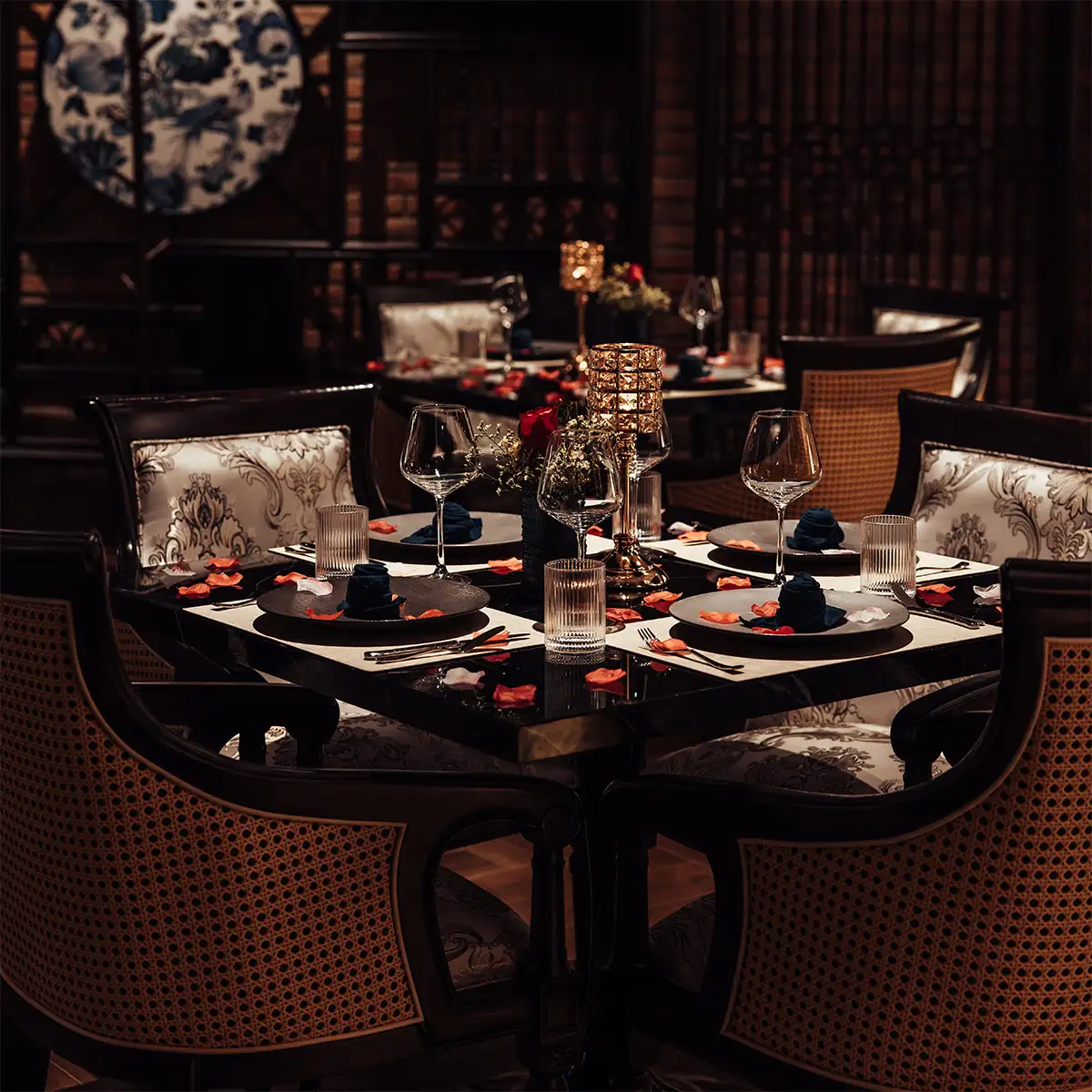
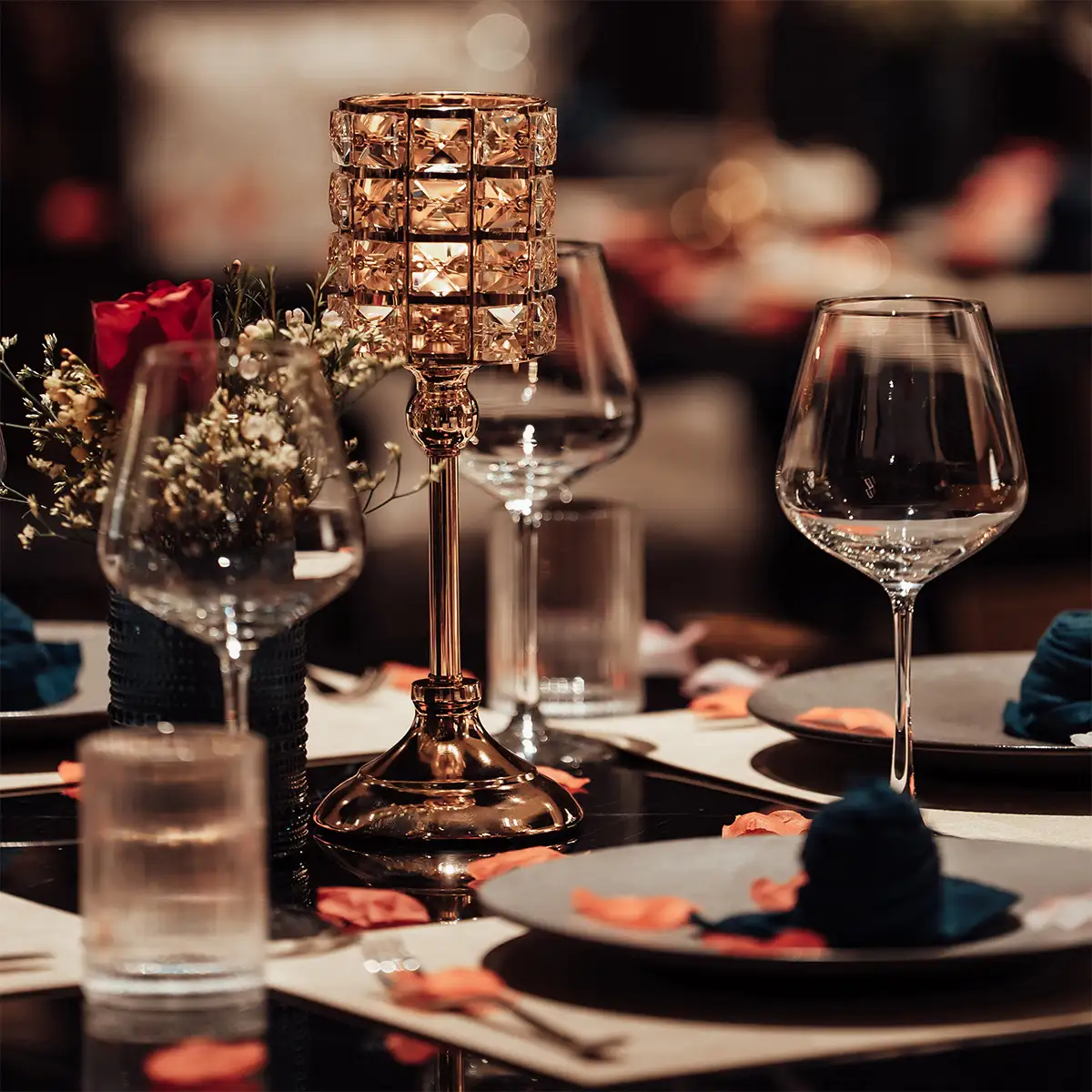
Transform your dining room. Use a clean tablecloth or placemats, your best dinnerware, and appropriate glassware. Dim the lights and light a few unscented candles. Play some soft, instrumental music in the background. These small details signal that the meal is a special occasion.
5.2. Wine and Beverage Pairing Basics
A well-chosen beverage can enhance your food. The basic principle is to match intensity: light dishes with light-bodied wines, and rich, heavy dishes with full-bodied wines. For example, the Seared Scallops with Lemon Butter Sauce would pair beautifully with a crisp, acidic white wine like Pinot Grigio or Sauvignon Blanc. The rich Pan-Seared Duck Breast calls for a medium-bodied red with good acidity, such as a Pinot Noir.
5.3. When to Indulge: The Value of Professional Fine Dining
While the journey of creating gourmet food for beginners is immensely rewarding, there is unique value in experiencing culinary mastery from experts. For those moments when you seek inspiration, a break from the kitchen, or an unparalleled gastronomic journey, a visit to a premier establishment like Moca Dining offers an experience that transcends home cooking. It is an opportunity to witness the pinnacle of culinary artistry, impeccable service, and a meticulously curated ambiance, providing both inspiration and pure indulgence.
Embarking on the journey of fine dining at home is a rewarding endeavor that transforms everyday cooking into an art form. By focusing on quality ingredients, mastering foundational techniques, and paying attention to presentation, even beginners can create dishes that are both delicious and visually stunning. The path to culinary elegance is one of continuous learning, and we hope these fine dining recipes for beginners have provided you with a confident start.
As you hone your skills and explore the depths of gourmet cooking, remember that true culinary inspiration can also be found in the hands of masters. We cordially invite you to experience the ultimate expression of fine dining at Moca Dining. Here, every dish is a masterpiece, every ingredient tells a story, and every visit is an unforgettable journey for the senses. Let us inspire your next creation or simply provide the perfect setting for an extraordinary evening.