








- 1. The Structural Philosophy Behind a Multi-Course Dining Experience
- 1.1. The Strategic Progression of Flavor Intensity
- 1.2. Culinary Storytelling Through a Curated Sequence
- 2. The Essential Components of a Signature Moca Dining Tasting Menu
- 3. Why the Multi-Course Format Represents the Ultimate Expression of Luxury
- 4. Moca Dining’s Unique Approach to the Interactive Multi-Course Journey
- 4.1. Table-Side Finishing and Sensory Engagement
- 4.2. Bespoke Menu Adaptations for the Modern Epicurean
- 5. The Synergy of Beverage Pairing in Multi-Course Dining
- 5.1. The Evolution of the Wine Pairing Flight
- 5.2. Innovative Non-Alcoholic Pairing Programs
- 6. Navigating the Etiquette and Pacing of a Long-Form Meal
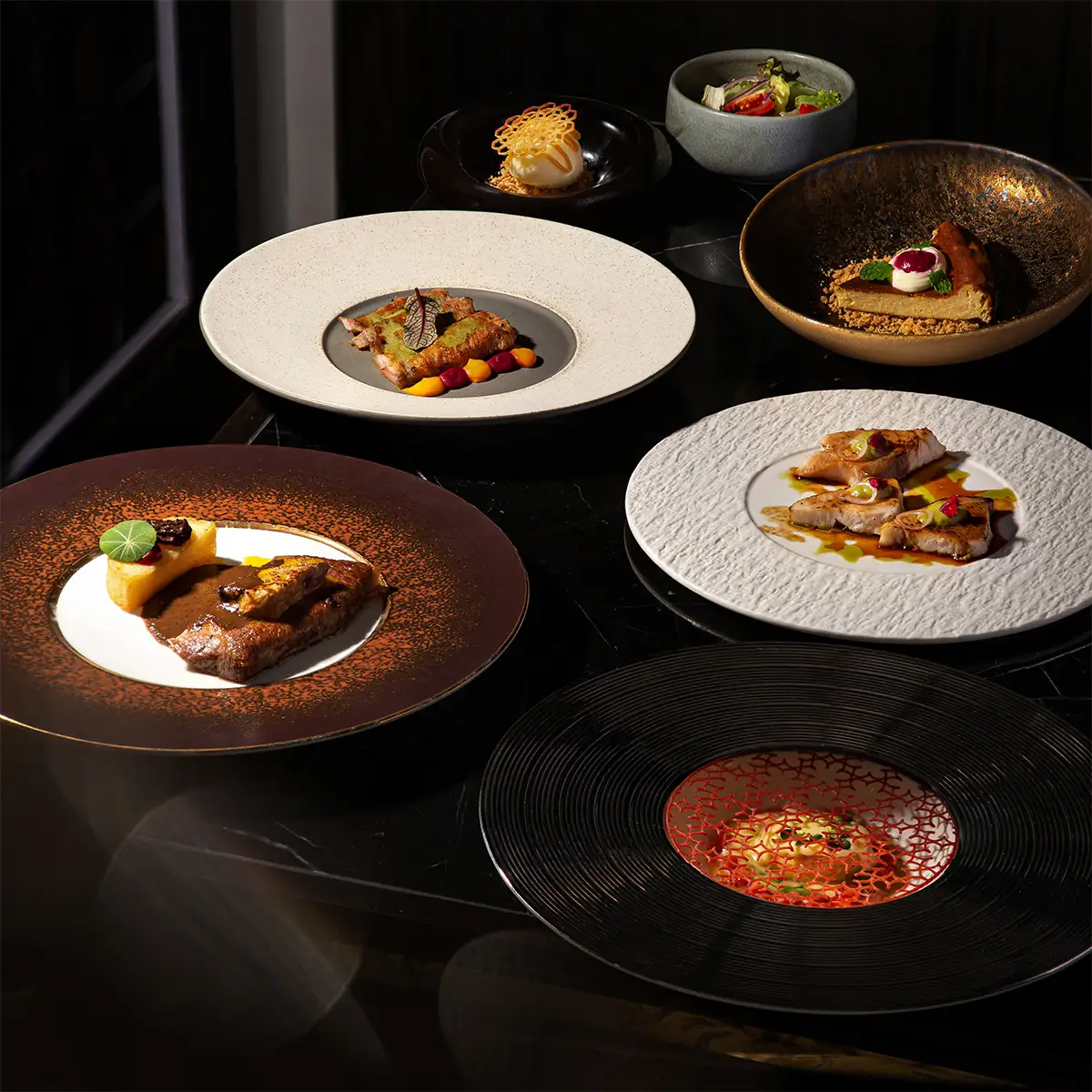
At Moca Dining, we believe a meal should be more than sustenance; it should be a choreographed performance for the senses. While any dish can satisfy hunger, it is the multi course meal that transforms dining into a true gastronomic experience. This format is the pinnacle of fine dining, allowing our culinary team to guide you through a deliberate narrative of flavor, texture, and aroma, showcasing a level of artistry that a single plate cannot contain.
1. The Structural Philosophy Behind a Multi-Course Dining Experience
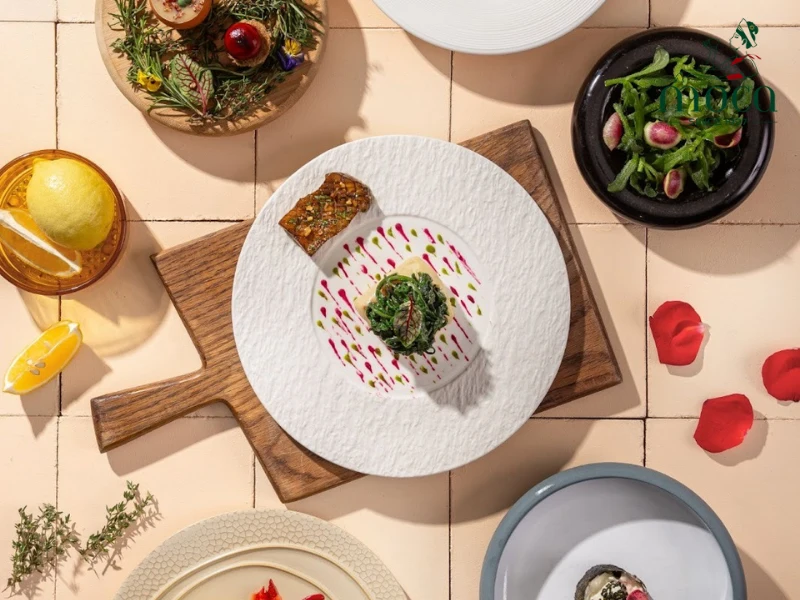
The Structural Philosophy Behind a Multi-Course Dining Experience
The magic of a multi-course tasting menu lies not in the quantity of food, but in its impeccable structure. Each dish is a deliberate step in a carefully planned epicurean journey, designed to build upon the last and prepare you for the next. This is a science as much as an art.
1.1. The Strategic Progression of Flavor Intensity
A core principle of menu design is the prevention of "palate fatigue," a state where the taste buds become overwhelmed and less receptive. To avoid this, a tasting menu begins with dishes that are light, clean, and often high in acidity. These initial courses, like a delicate crudo with citrus or a vibrant vegetable tartare, awaken and cleanse the palate.
From there, the experience gradually escalates in richness and complexity. We move from the clean notes of raw seafood to the gentle warmth of a poached fish, then toward the deeper, more complex umami flavors of a seared scallop or a mushroom consommé. This progression ensures that when you arrive at the robust main course, such as a rich Wagyu beef or aged duck, your palate is perfectly primed to appreciate its depth, rather than being dulled by preceding heavy flavors.
1.2. Culinary Storytelling Through a Curated Sequence
Beyond sensory science, a multi-course dinner is our primary medium for storytelling. A chef can use the sequence of dishes to transport a guest to a specific place or time. For example, our "Autumn in the Highlands" menu might begin with a course representing the cool morning mist (a light, ethereal foam over oysters), move through the forest floor (an earthy dish of foraged mushrooms and truffle), and culminate in a dish celebrating the hunt (perfectly cooked venison loin). Each course is a chapter, building anticipation and weaving a narrative that engages the imagination as much as the palate.
2. The Essential Components of a Signature Moca Dining Tasting Menu
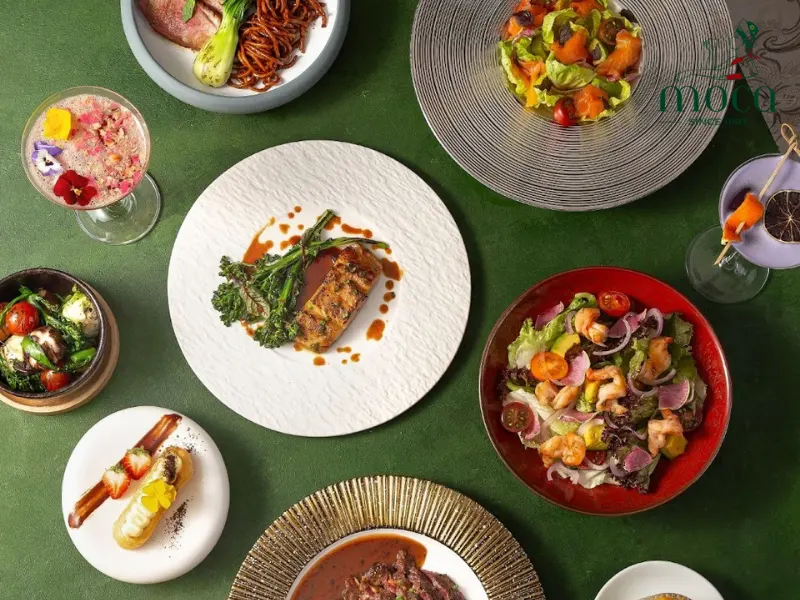
The Essential Components of a Signature Moca Dining Tasting Menu
While each tasting menu is unique to the season, its structure follows a classic, time-honored progression. Your journey with us will typically include these essential stages:
- Amuse-Bouche: French for "mouth amuser," this is not officially a course but a gift from the chef. A single, intricate bite, such as a sphere of tomato essence with basil oil, it serves as a prologue to the meal, hinting at the style and creativity to come.
- Cold and Warm Appetizers: One or more small plates designed to introduce delicate flavors and textures. This is where you might encounter a finely sliced hamachi with white soy and finger lime, or perhaps lightly seared asparagus with a sabayon.
- The Seafood Course: A moment to celebrate the pristine freshness of the ocean. Using precise techniques like gentle poaching or pan-searing, we highlight the natural sweetness of ingredients like lobster, turbot, or scallops.
- The Entrée (Main Course): The centerpiece and climax of the savory part of the meal. This is typically the richest course, featuring premium proteins like A5 Wagyu beef, dry-aged poultry, or lamb, accompanied by complex sauces and purées that demonstrate the kitchen's full technical range.
- Palate Cleanser: A crucial intermezzo. This is a small, refreshing course, often a bright citrus or herbal sorbet, designed to neutralize any lingering richness from the entrée and prepare the senses for the transition to dessert.
- Grand Dessert and Mignardises: The experience concludes not with one, but two stages of sweetness. First, a complex, plated dessert that acts as the sweet counterpart to the main course. This is followed by mignardises - tiny, delicate post-dessert sweets like macarons, pâtes de fruits, or miniature chocolates, served with coffee or tea to gracefully conclude the culinary journey.
3. Why the Multi-Course Format Represents the Ultimate Expression of Luxury
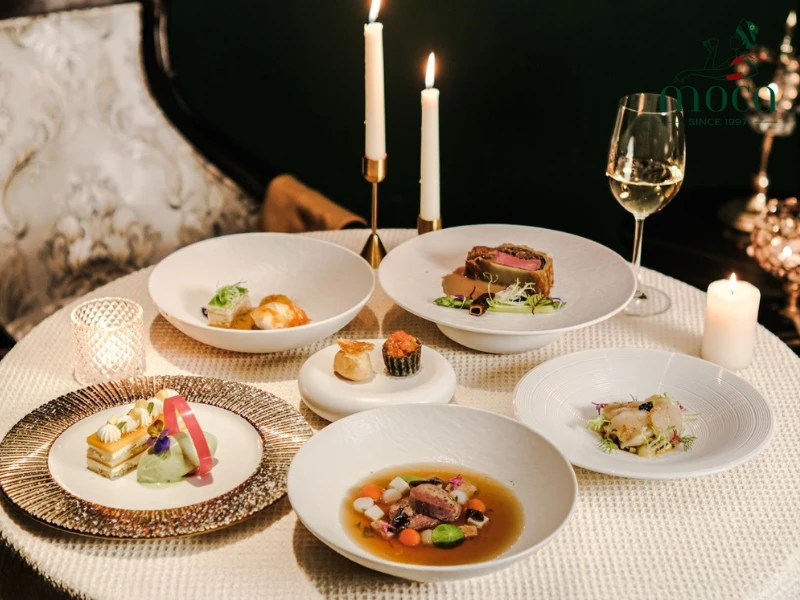
Why the Multi-Course Format Represents the Ultimate Expression of Luxury
The multi course meal is the definitive fine dining experience for reasons that benefit both the artist in the kitchen and the connoisseur at the table.
- Precision in Execution: With a set menu, the kitchen team can dedicate its entire focus to perfecting a limited number of components. This allows for a level of precision, consistency, and detail that is impossible to achieve when managing a large à lacarte menu.
- Reduced Decision Fatigue: The modern world is filled with choices. A multi-course tasting menu removes this burden. Guests are free to immerse themselves fully in the moment, trusting the chef to guide them. This concept is supported by a well-documented psychological principle; extensive research in behavioral psychology has demonstrated that eliminating extraneous choices enhances the quality of an experience by preserving mental energy for what truly matters - savoring the meal.
- Ingredient Exclusivity: This format allows us to source extremely rare and highly seasonal ingredients that are only available in minute quantities. For instance, we might secure a single, line-caught fish or a handful of rare, wild-foraged herbs, enough for only one evening's service - an exclusive experience impossible to offer on a regular menu.
- Balanced Nutrition and Portioning: Despite the number of courses, our chefs meticulously balance the entire meal. Each portion is scientifically calibrated to ensure a guest feels perfectly satisfied and nourished by the end, never uncomfortably full.
4. Moca Dining’s Unique Approach to the Interactive Multi-Course Journey
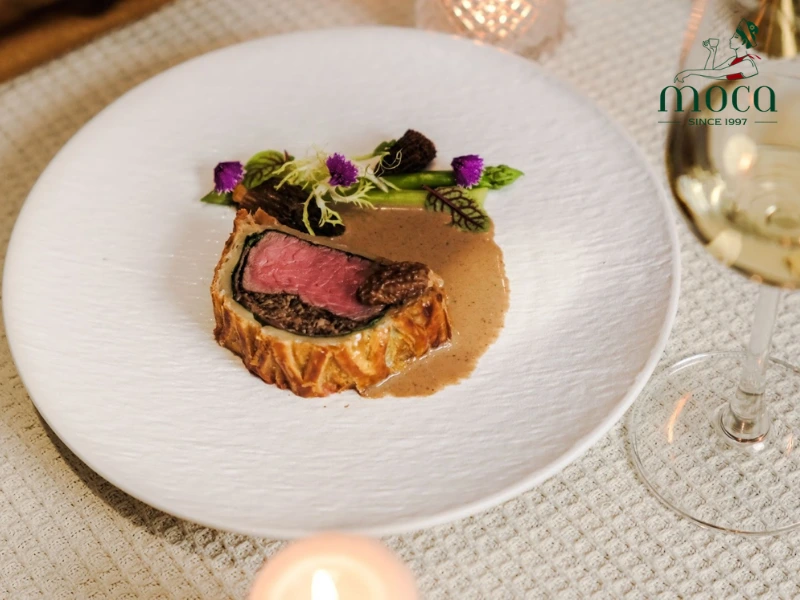
Moca Dining’s Unique Approach to the Interactive Multi-Course Journey
We believe the gastronomic experience should extend beyond the plate. Our service is designed to be an integral part of the multi course meal.
4.1. Table-Side Finishing and Sensory Engagement
To make our guests feel part of the creative process, we incorporate elements of "culinary theatre." A warm sauce may be poured over your dish at the table, releasing a cloud of fragrant steam. A sprig of rosemary might be torched tableside, engaging your sense of smell just before the first bite. This sensory engagement transforms a passive dinner into an active, multi-sensory event.
4.2. Bespoke Menu Adaptations for the Modern Epicurean
While our menu is structured, it is not rigid. We pride ourselves on our ability to seamlessly adapt the multi-course dinner for dietary requirements or preferences. Our philosophy is that a substitute dish must never feel like a lesser option. If a guest cannot have shellfish, for example, our chefs will create an alternative of equal complexity and beauty, such as a salt-baked celeriac with truffle and hazelnut, ensuring their journey maintains the same narrative weight and aesthetic integrity as the original.
5. The Synergy of Beverage Pairing in Multi-Course Dining
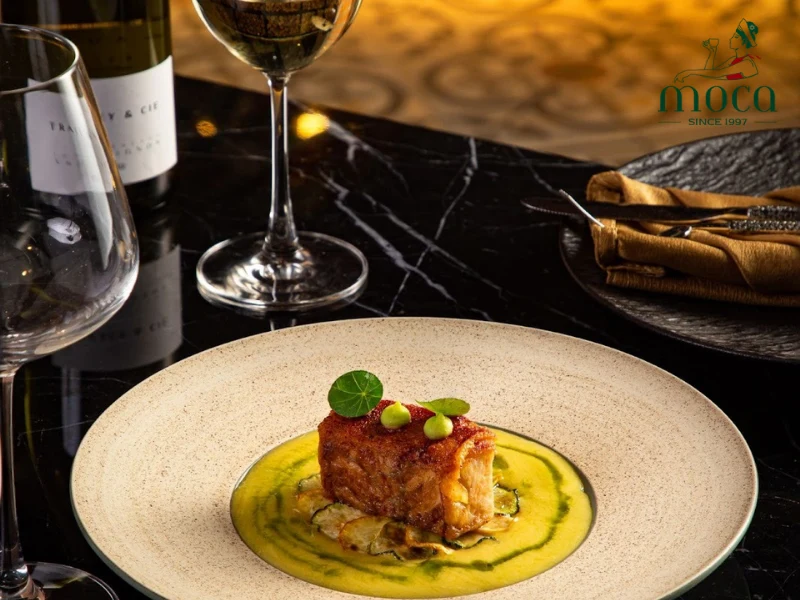
The Synergy of Beverage Pairing in Multi-Course Dining
A liquid can be the bridge that connects one course to the next, elevating the entire experience. Our beverage pairing programs are curated with the same attention to detail as the food.
5.1. The Evolution of the Wine Pairing Flight
The classic wine pairing is a journey in itself. Our sommelier curates a flight that moves in harmony with the menu, perhaps starting with a crisp Champagne to complement the amuse-bouche, transitioning to a mineral-driven Sancerre for the seafood, a fuller-bodied Chardonnay, a delicate Pinot Noir for a poultry course, and finally, a robust Bordeaux for the main course, before concluding with a luscious dessert wine.
5.2. Innovative Non-Alcoholic Pairing Programs
Recognizing that luxury is about choice, Moca Dining has developed one of the industry's most sophisticated non-alcoholic pairing programs. These are not mere juices, but complex house-made infusions, fermented teas, and clarified vegetable extractions designed with the same principles of acidity, body, and aroma as fine wine. A sparkling green tea and elderflower kombucha might accompany a fish course, while a clarified tomato and basil water could provide the perfect herbaceous counterpoint to a savory tart.
6. Navigating the Etiquette and Pacing of a Long-Form Meal
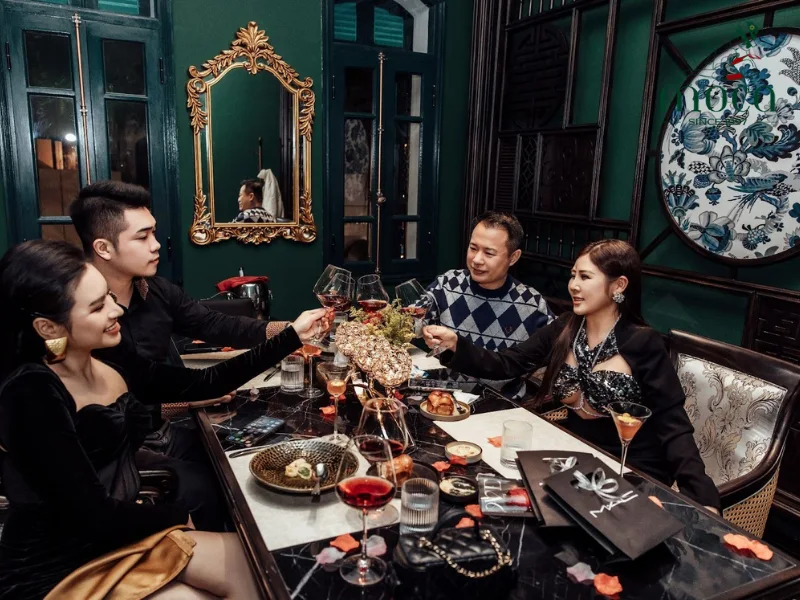
Navigating the Etiquette and Pacing of a Long-Form Meal
To derive the most pleasure from your fine dining experience, we offer this gentle guidance.
- Pacing and Timing: A typical multi-course dinner at Moca Dining spans between two and three hours. We invite you to relax, disconnect from the outside world, and embrace the unhurried rhythm. This is the essence of the slow-food movement - savoring not just the food, but the time itself.
- Communication with the Sommelier: Please view our sommelier as your personal guide. The beverage pairing is a dialogue. We encourage you to share your preferences, whether you typically prefer Old World or New World wines, or if a particular pairing is not to your taste. Our goal is to tailor the journey perfectly to you.
Ultimately, a multi course meal at Moca Dining is more than just dinner; it is an investment in a cultural and sensory memory. The structured, narrative-driven flow allows for a level of culinary artistry, storytelling, and personal attention that à la carte dining simply cannot replicate. It is an invitation to place your trust in our craft and allow us to present the very best of our passion and the season's bounty. We look forward to welcoming you and sharing the stories our chefs are waiting to tell.