









- 1. The Fundamental Science and Philosophy of High-End Ceviche Preparation
- 2. Sourcing and Handling: The Non-Negotiable Standard of Ultra-Premium Seafood
- 3. Modern Culinary Techniques: Elevating Texture and Presentation
- 4. Moca Dining’s Signature Approach to the Ceviche Experience
- 5. The Cultural Evolution and Global Variations
Ceviche, at its heart, is a marvel of culinary science - a dish defined not by fire, but by the elegant, chemical transformation of pristine seafood through citrus. What began as a humble coastal staple has ascended to become a celebrated centerpiece of global haute cuisine. In the sophisticated world of ceviche fine dining, the dish is transformed into an exercise in extreme balance, ingredient integrity, and artistic expression.
1. The Fundamental Science and Philosophy of High-End Ceviche Preparation
The Fundamental Science and Philosophy of High-End Ceviche Preparation
To truly appreciate a gourmet ceviche, one must first understand the delicate dance between chemistry and culinary philosophy that occurs in its creation.
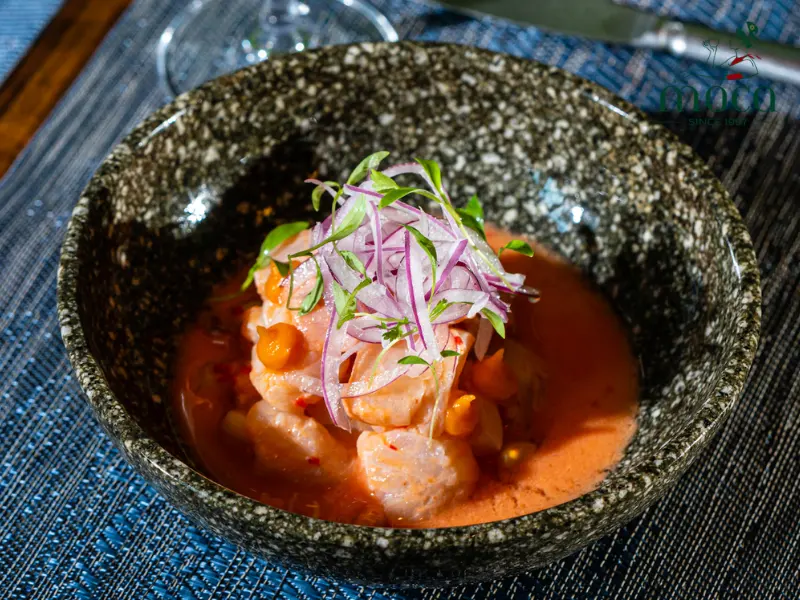
- The Chemistry of Citrus Denaturation: Unlike traditional cooking, which uses heat to alter the structure of proteins, ceviche employs the power of citric acid. In a professional kitchen, this process is timed with stopwatch precision. The acid from fresh lime or lemon juice gently "cooks" the seafood by causing its proteins to coagulate. The goal is a masterful "par-cooking" that leaves the interior almost raw and succulent, a stark contrast to the tough, rubbery texture that results from over-marination. This is one of the core culinary techniques that separates an amateur dish from a professional one.
- The Equilibrium of the Five Basic Tastes: A master chef’s palate is their most crucial instrument. A truly exceptional fine dining ceviche is a symphony of the five basic tastes. The sharp, bright acidity of the lime is meticulously balanced against the subtle, lingering heat of chilies like aji amarillo. The natural salinity of the sea, enhanced with a precise measure of salt, contrasts with the inherent sweetness of the fresh fish and perhaps a touch of sweet potato. This creates a multi-dimensional profile that stimulates the entire palate, ensuring each spoonful is a new discovery.
2. Sourcing and Handling: The Non-Negotiable Standard of Ultra-Premium Seafood
Sourcing and Handling: The Non-Negotiable Standard of Ultra-Premium Seafood
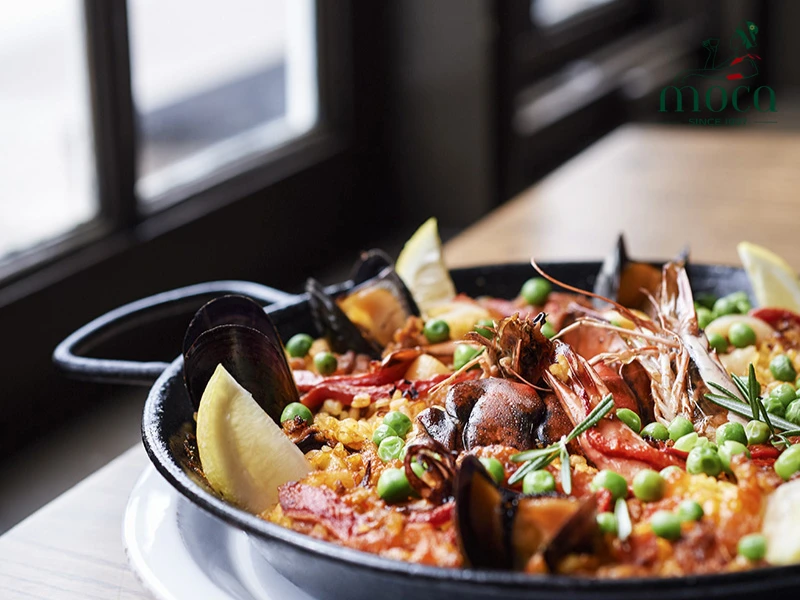
The deceptive simplicity of ceviche means there is nowhere for inferior ingredients to hide. The quality of the seafood is not just important; it is the very foundation of the dish.
- "Sashimi-Grade" as the Bare Minimum: The fish or shellfish used must be of unimpeachable freshness and quality, often referred to as "sashimi-grade." This designation ensures the seafood is safe to be consumed raw or lightly cured and possesses a superior texture and flavor. For example, a fatty tuna or delicate sea bass intended for ceviche must have a clean, oceanic aroma and firm, glistening flesh.
- The Pursuit of Freshness: We prioritize "Day-boat" seafood, sourced from fishermen who return the same day they go out. This practice guarantees the shortest possible time from the ocean to our kitchen, preserving the peak freshness of the catch. Furthermore, we seek out suppliers who use humane and quality-preserving harvesting methods like "Ike Jime." This Japanese technique minimizes stress on the fish, which in turn prevents the release of lactic acid and preserves the delicate, clean flavor and firm texture of the meat.
- The Sanctity of the Cold Chain: From the moment it leaves the water to the second it is served, the premium seafood is kept in a strict, unbroken cold chain maintained at 0–2°C (32–35.6°F). This critical step prevents bacterial growth and, just as importantly, preserves the delicate cellular structure of the fish, ensuring a buttery, melt-in-your-mouth texture.
3. Modern Culinary Techniques: Elevating Texture and Presentation
Modern Culinary Techniques: Elevating Texture and Presentation
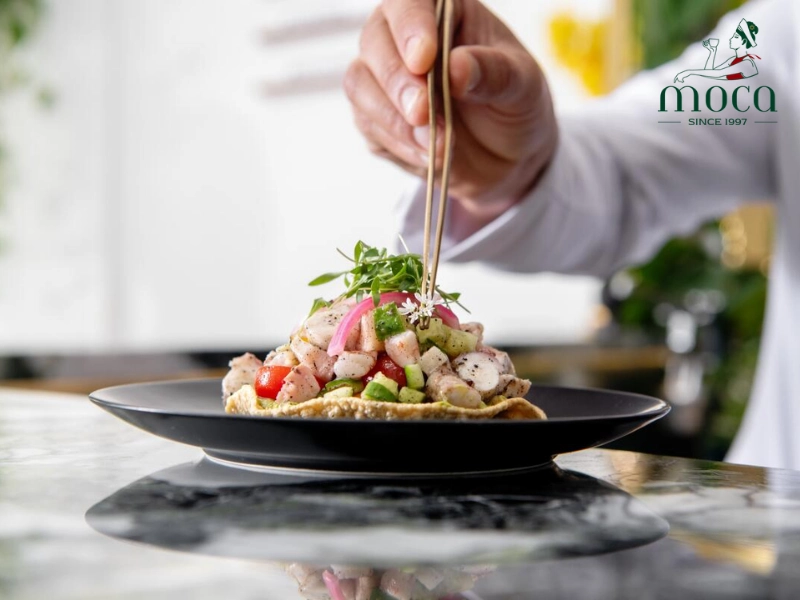
In the realm of fine dining ceviche, presentation and texture are elevated to an art form. The traditional bowl is often reimagined as a canvas for a visual and textural narrative.
- Advanced Knife Skills and Geometric Precision: The way the fish is sliced profoundly impacts the final dish. A uniform, small dice exposes more surface area to the citrus marinade for a quick, even cure. In contrast, the delicate, ribbon-like slices of a tiradito - a Peruvian-Japanese preparation - require a gentler, shorter marination. This geometric precision, a hallmark of modern ceviche techniques, ensures a consistent and perfect texture in every single bite.
- The Integration of Avant-Garde Elements: Modern chefs often introduce surprising elements to add layers of complexity. Imagine nitrogen-frozen citrus pearls that burst in the mouth, releasing a wave of cold, intense flavor, or ethereal foams and herbal infusions that provide aromatic depth. These components create "texture shocks" that provide a delightful contrast to the soft, yielding nature of the marinated seafood, turning a simple dish into a memorable sensory experience.
4. Moca Dining’s Signature Approach to the Ceviche Experience
Moca Dining’s Signature Approach to the Ceviche Experience
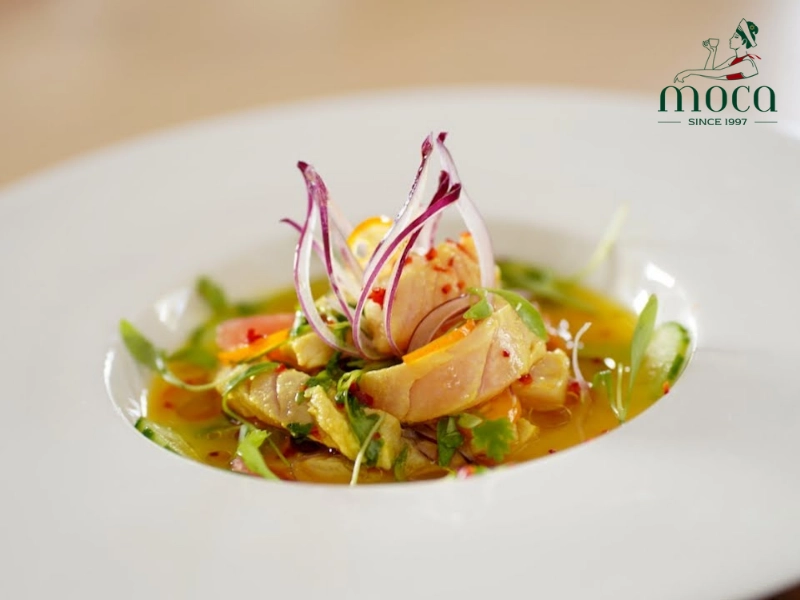
At Moca Dining, we treat ceviche as a seasonal dialogue between the sea and the garden, a reflection of our commitment to both tradition and innovation.
- The "Moca Leche de Tigre" Secret: Our signature marinade, the lifeblood of the dish known as Leche de Tigre ("tiger's milk"), is a closely guarded recipe. We build upon the classic Peruvian base by incorporating locally sourced aromatics and a subtle hint of dashi. This touch of dashi bridges the vibrant zest of Latin America with the profound, savory depth of Japanese umami, creating a finish that is deeper and more lingering than any standard preparation.
- A Curated Sensory Environment: We understand that temperature is paramount. To honor the dish, we serve our ceviche on chilled stone slabs or in custom-designed glasswork. This meticulous attention to detail is not merely for aesthetics; it ensures the optimal temperature is maintained from the kitchen to your table, guaranteeing that the last bite is as crisp, cool, and refreshing as the first.
5. The Cultural Evolution and Global Variations
The Cultural Evolution and Global Variations
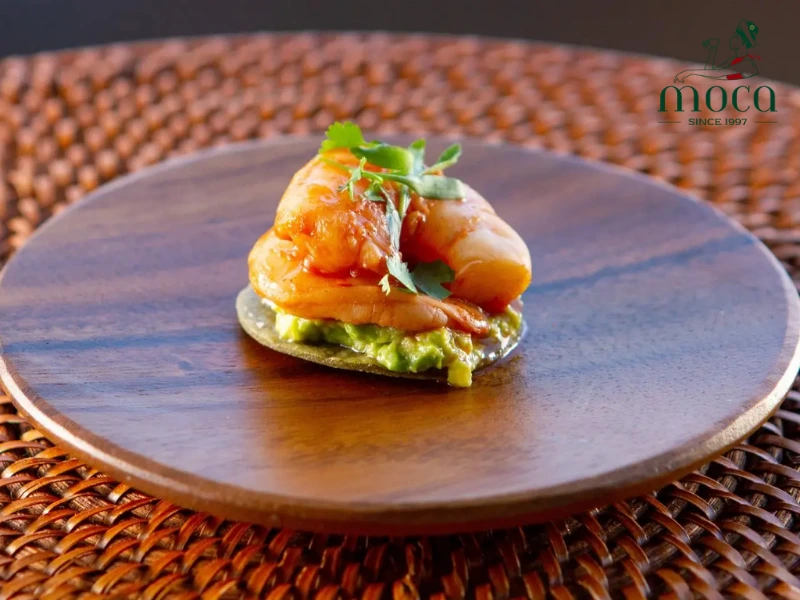
Ceviche is a living dish, constantly evolving as it travels the globe and is interpreted by different culinary cultures.
- The Nikkei Influence: The most significant evolution in modern ceviche came from the Nikkei cuisine of Peru, born from the fusion of Japanese immigrant culinary traditions with local ingredients. Japanese techniques, with their emphasis on precision knife work and respect for the raw ingredient, refined Peruvian ceviche into the global phenomenon it is today, giving birth to dishes like tiradito.
- The Rise of Plant-Based Ceviche: In a nod to modern dietary preferences, high-end tasting menus now frequently feature plant-based ceviche. Using ingredients with a satisfying texture, such as king oyster mushrooms, hearts of palm, or firm heirloom tomatoes, chefs can mimic the classic dish's bright, acidic profile, offering a creative and inclusive culinary art experience for all guests.
In conclusion, the profound beauty of a gourmet ceviche lies in its transparent complexity. It is a dish that is simultaneously simple and infinitely sophisticated, demanding scientific precision, unparalleled ingredients, and true artistic vision. At Moca Dining, we are steadfast in our commitment to this vision, celebrating the purity, freshness, and artistry that define world-class ceviche fine dining.
Ultimately, ceviche is more than just a dish on a menu; it is a vibrant, fleeting celebration of the ocean's purest essence. We invite you to explore our other seasonal seafood preparations to continue your journey into the art of freshness.