







- 1. Understanding the Fundamental Classifications of Wine
- 2. Distinguishing Wines Through a Systematic Sensory Evaluation Process
- 3. Analyzing Wine Structure: Body, Acidity, and Tannins
- 4. Elevating the Culinary Journey with Strategic Food and Wine Pairing at Moca Dining
- 5. The Influence of Terroir and Aging on a Wine's Identity
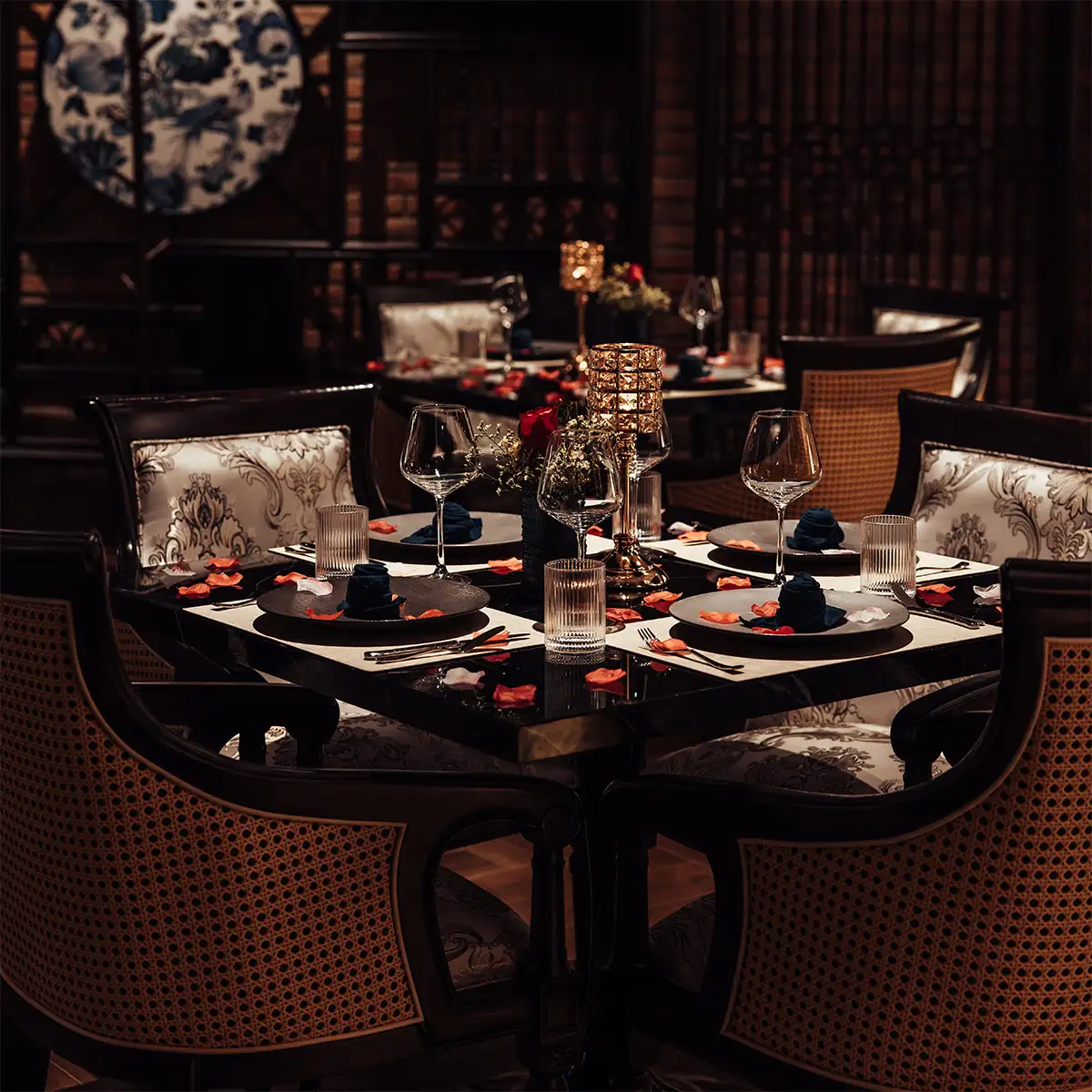
Nestled in the timeless heart of Hanoi's Old Quarter, Moca Dining is a sanctuary where culinary innovation meets time-honored tradition. Here, every dish tells a story, and the perfect wine is its most eloquent narrator. For our discerning guests, understanding the art of distinguishing wines is not merely an academic exercise; it is the key to unlocking a truly transcendent dining experience. This guide will illuminate the core principles of wine evaluation, from fundamental classifications and sensory analysis to the profound impact of structure and terroir, empowering you to navigate our curated collection with confidence and delight.
1. Understanding the Fundamental Classifications of Wine
Understanding the Fundamental Classifications of Wine
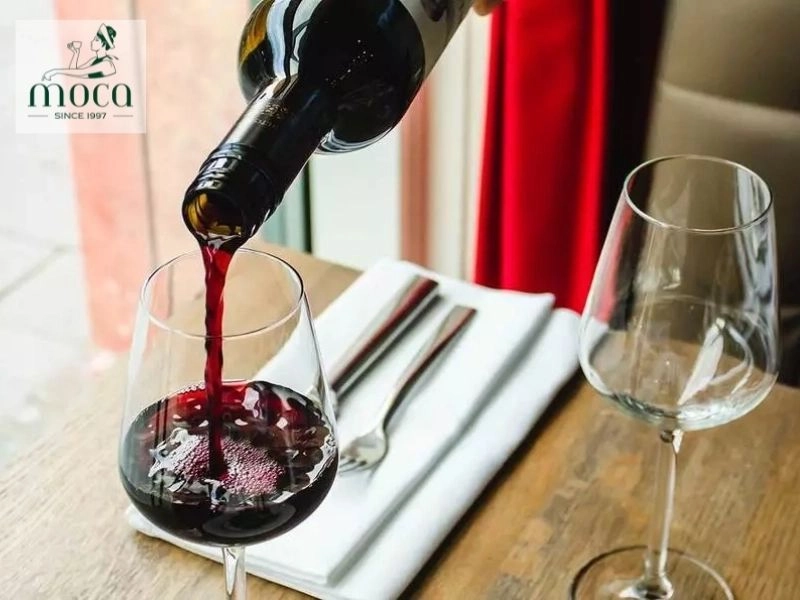
The first step in identifying wine characteristics is to recognize its foundational category. Each type is a world unto itself, defined by specific grape varieties and vinification methods that shape its unique personality.
- Red Wine: The Essence of Tannins and Dark Fruit Profiles:
Red Wine
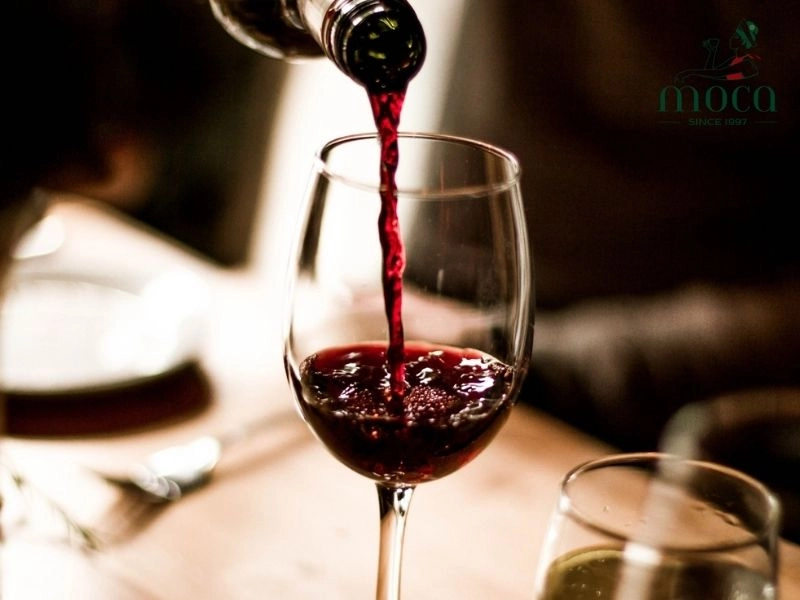
Red wine is crafted from dark-skinned grapes, where the skins, seeds, and sometimes stems are fermented along with the juice. This crucial period of skin contact is what imparts the wine's color, structure, and a significant portion of its flavor profile. The compounds extracted, known as tannins, create a characteristic drying sensation in the mouth and are vital for the wine's ability to age. The spectrum is vast, ranging from a light-bodied, ethereal Pinot Noir with notes of cherry and earth to a full-bodied, powerful Cabernet Sauvignon boasting deep flavors of blackcurrant, cedar, and tobacco.
- White Wine: A Celebration of Acidity and Floral Freshness:
White Wine
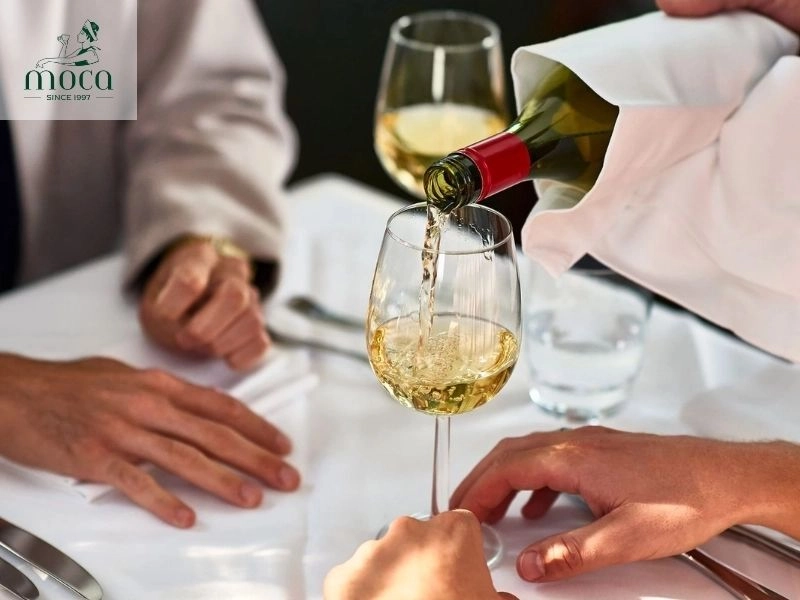
In contrast, white wine is typically produced by pressing grapes to extract the juice and fermenting it without any contact with the skins. This method preserves the wine's delicate aromas and crispness. The hallmark of most white wines is their acidity - the vibrant, mouth-watering quality that makes them so refreshing and an exceptional partner for food. For example, a classic Chardonnay from Burgundy may offer notes of green apple, citrus, and a flinty minerality, while a Sauvignon Blanc from the Loire Valley bursts forth with zesty grapefruit and freshly cut grass.
- Rosé Wine: The Delicate Balance of Brief Skin Contact:
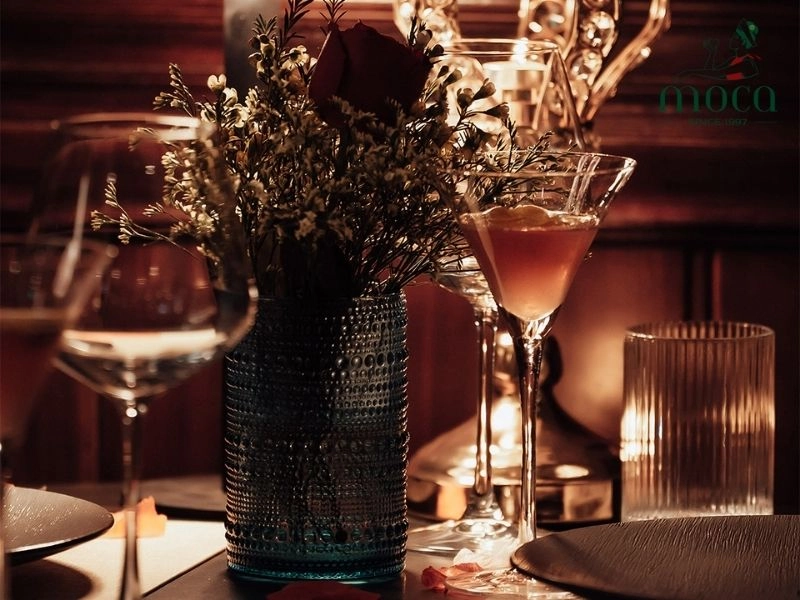
Rosé Wine
Rosé wine occupies a beautiful middle ground, capturing the best of both worlds. It is made from red grapes, but the juice only spends a very short time - from a few hours to a day - in contact with the skins. This brief maceration is just enough to lend the wine its signature pink hue and subtle hints of red fruit flavors without extracting heavy tannins. The result is a wine that offers the bright acidity of a white with the gentle berry notes of a red, making it exceptionally versatile.
- Sparkling Wine: The Artistry of Carbonation and Secondary Fermentation:
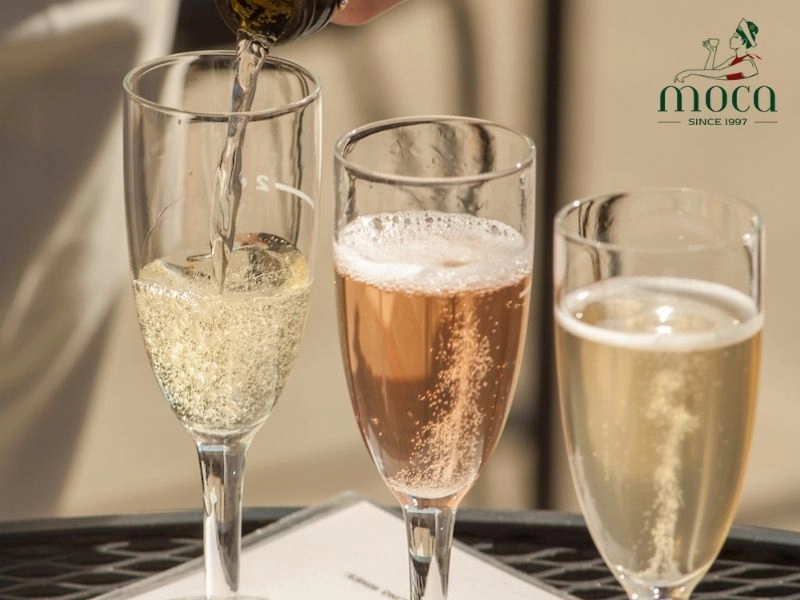
Sparkling Wine
Defined by its delightful effervescence, sparkling wine is a symbol of celebration. The bubbles are the result of a secondary fermentation process, which traps carbon dioxide in the bottle. The most revered method, the méthode traditionnelle used in Champagne, involves this second fermentation occurring in the very bottle you purchase, creating fine, persistent bubbles and complex, yeasty aromas of brioche and almond. Other styles, like the Italian Prosecco, undergo this process in large tanks, resulting in a fresher, fruit-forward profile with lively notes of pear and honeydew melon.
2. Distinguishing Wines Through a Systematic Sensory Evaluation Process
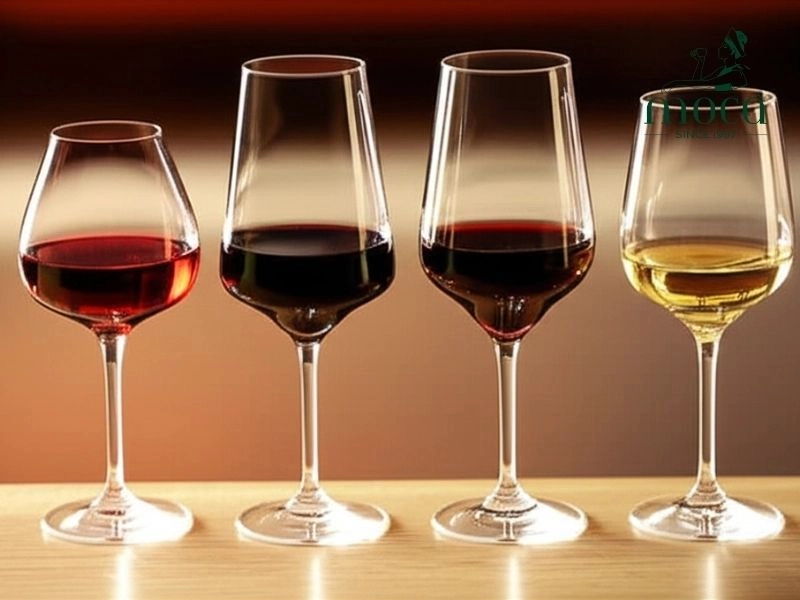
Distinguishing Wines Through a Systematic Sensory Evaluation Process
True wine differentiation is a multi-sensory journey. By following a systematic process, you can deconstruct a wine's profile and appreciate its nuances. This is the same sensory analysis of wine that sommeliers use.
- Sight: Begin by observing the wine in the glass against a white background. Note its clarity and color. A deep, saturated ruby might suggest a young, full-bodied red, whereas a garnet or brownish rim can indicate age. For whites, a pale, greenish tint often points to a young, crisp wine, while a deeper golden hue can signify barrel aging or maturity. The "legs" or "tears" that stream down the glass after swirling are an indicator of alcohol content and viscosity, a phenomenon known as the Marangoni effect.
- Swirl: Gently swirl the wine in your glass. This simple action serves a dual purpose: it aerates the wine, allowing it to "breathe" and release its full spectrum of aromatic compounds, preparing it for the next crucial step.
- Sniff: This is where a wine truly begins to reveal its story. Inhale deeply and try to identify the aromas. These are typically categorized into three tiers:
- Primary Aromas: Derived from the grape itself (e.g., fruit, floral, herbal notes like blackberry, rose, or mint).
- Secondary Aromas: Created during the fermentation process (e.g., yeasty notes like sourdough or brioche in sparkling wines).
- Tertiary Aromas: Developed during the aging process, either in a barrel or in the bottle (e.g., vanilla, spice, and smoke from oak, or leather, mushroom, and earth from bottle age).
- Sip: Finally, take a small sip and let the wine coat your palate. Assess the interplay of its core components: sweetness (from residual sugar), acidity (the mouth-watering sensation), tannins (the drying, astringent feeling), and alcohol (the warming sensation). Pay attention to the finish - the length of time the flavors linger after you've swallowed. A long, complex finish is often the hallmark of a high-quality wine.
3. Analyzing Wine Structure: Body, Acidity, and Tannins
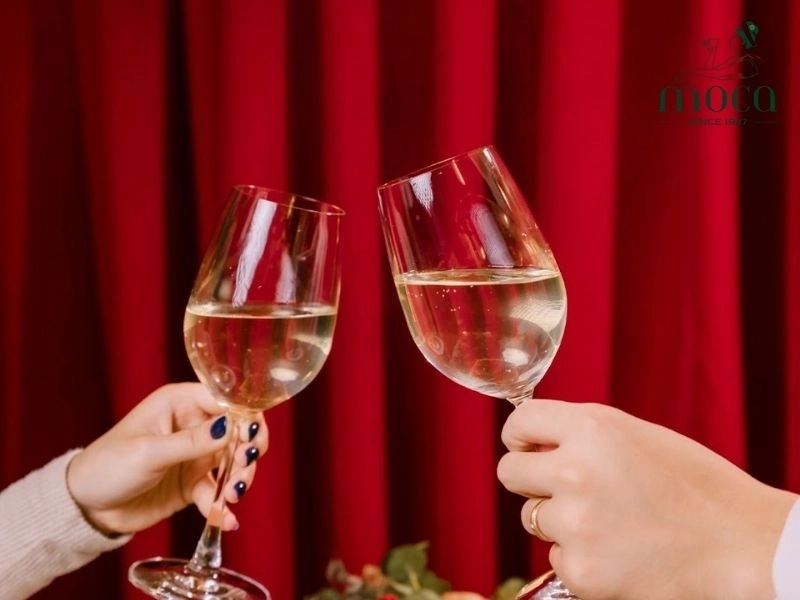
Analyzing Wine Structure: Body, Acidity, and Tannins
To deepen your understanding of wine profiles, it is essential to analyze its three structural pillars: body, acidity, and tannins.
- The Body: Assessing the Weight and Mouthfeel
The "body" of a wine refers to its perceived weight and texture in your mouth. Primarily influenced by alcohol content and the concentration of flavor compounds, it can be described as light, medium, or full. A light-bodied wine, like a German Riesling, might feel akin to water on the palate. In contrast, a full-bodied wine, such as an Australian Shiraz, has a richer, more viscous texture, closer to that of whole milk.
- Acidity: The Backbone of Freshness and Longevity
Acidity is the engine of a wine, providing freshness, structure, and a crisp finish. It's the quality that makes your mouth water and keeps the wine feeling vibrant rather than flabby. Scientifically, most wines have a pH between 3.0 and 4.0. Wines with higher acidity are often described as "bright," "crisp," or "zippy" and are brilliant for cutting through rich, fatty foods. Wines with lower acidity feel "softer" and "rounder" on the palate.
- Tannins: The Structural Element for Aging and Food Pairing
Primarily found in red wines, wine tannins explained simply are polyphenolic compounds derived from grape skins, seeds, and stems. They create a textural, astringent sensation that can feel dry on your tongue and gums. While potentially harsh in a young wine, tannins are crucial for structure and are the primary reason red wines can age and evolve for decades. Tannins bind to proteins, which is precisely why a tannic wine like a Barolo or a Cabernet Sauvignon pairs so exquisitely with a rich, fatty cut of steak - the wine's tannins soften the fat, and the fat mellows the wine's astringency.
4. Elevating the Culinary Journey with Strategic Food and Wine Pairing at Moca Dining
Elevating the Culinary Journey with Strategic Food and Wine Pairing at Moca Dining
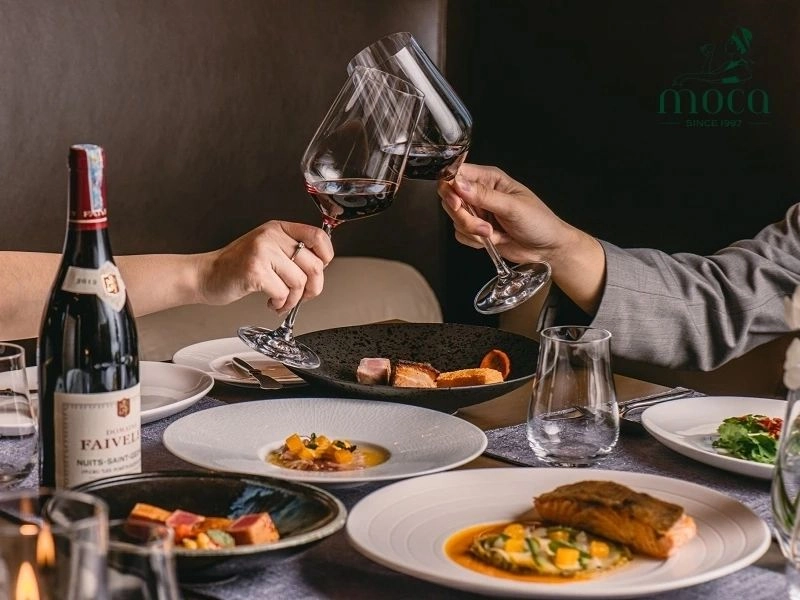
Armed with this wine knowledge, you can now elevate your dining experience through thoughtful pairing. At Moca Dining, our sommeliers specialize in creating these perfect unions.
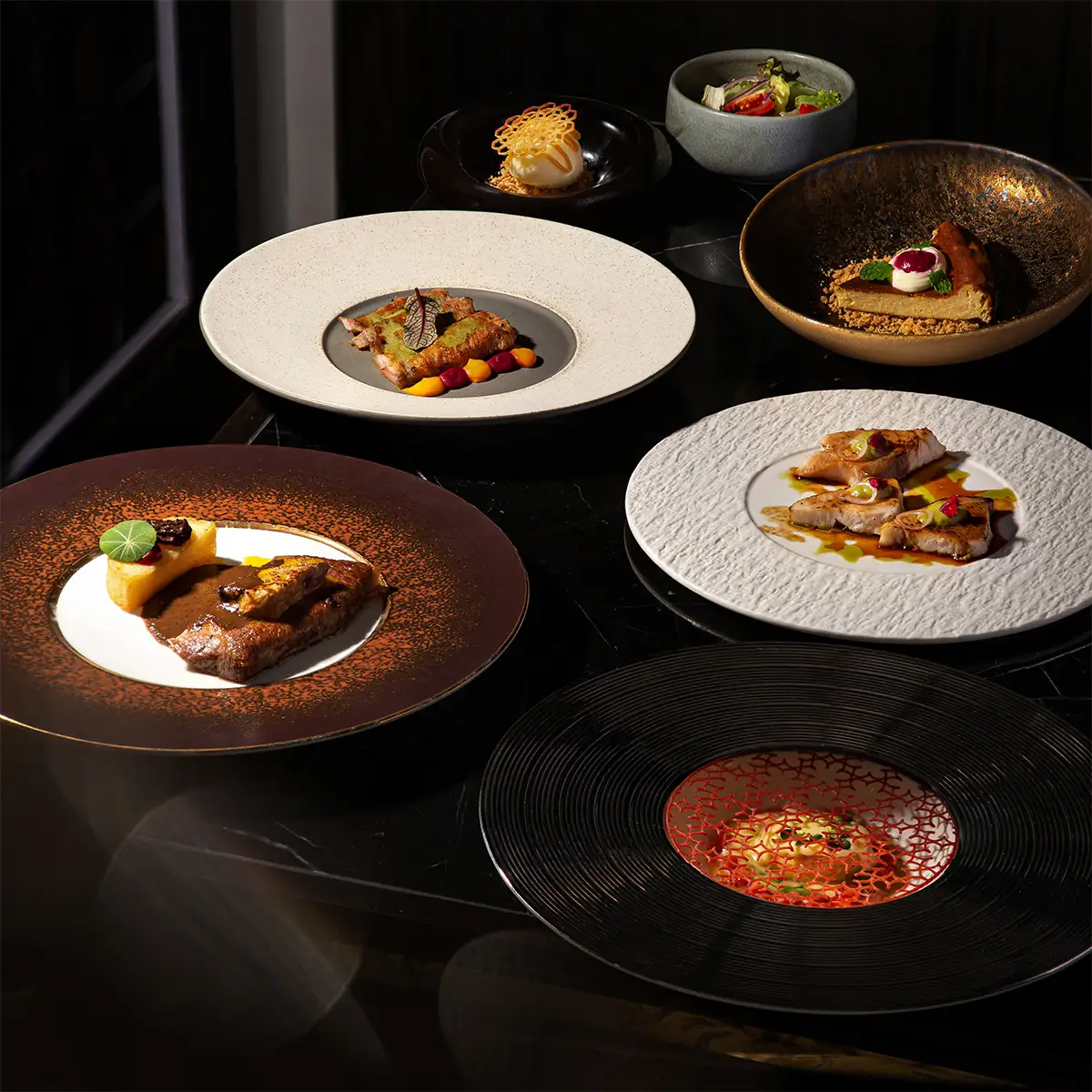
- Complementing Flavors: The goal here is to create resonance. For instance, the delicate, citrus-infused seafood creations in Chef Lam Nguyen’s "New Chapter" lunch set are beautifully matched with a high-acid white wine like a Sancerre, whose own notes of grapefruit and flint mirror and enhance the dish's clean flavors.
- Contrasting Elements: Sometimes, opposition creates the most exciting harmony. The effervescence and high acidity of a Sparkling wine serve as a perfect foil for rich or fried textures. The bubbles act as a palate-cleanser, cutting through the richness of our crispy pork belly and preparing your palate for the next flavorful bite.
- Regional Harmony: The old adage "what grows together, goes together" often holds true. Our contemporary dishes, which draw inspiration from local Vietnamese herbs and spices, can find a stunning partner in wines that share similar aromatic profiles, creating a seamless and holistic food and wine pairing.
- Dessert Integration: Choosing the right wine for dessert is a final flourish. To complement the intricate pastry creations of Chef Son Pham, we recommend a sweet or fortified wine. A Sauternes or a late-harvest Riesling has the requisite sweetness and acidity to stand alongside a rich dessert without being overpowered, creating a truly memorable conclusion to your meal.
5. The Influence of Terroir and Aging on a Wine's Identity
The Influence of Terroir and Aging on a Wine's Identity
Two final factors are crucial in distinguishing wines: where they come from and how they are aged.
- Terroir: The Signature of the Earth, Climate, and Tradition:
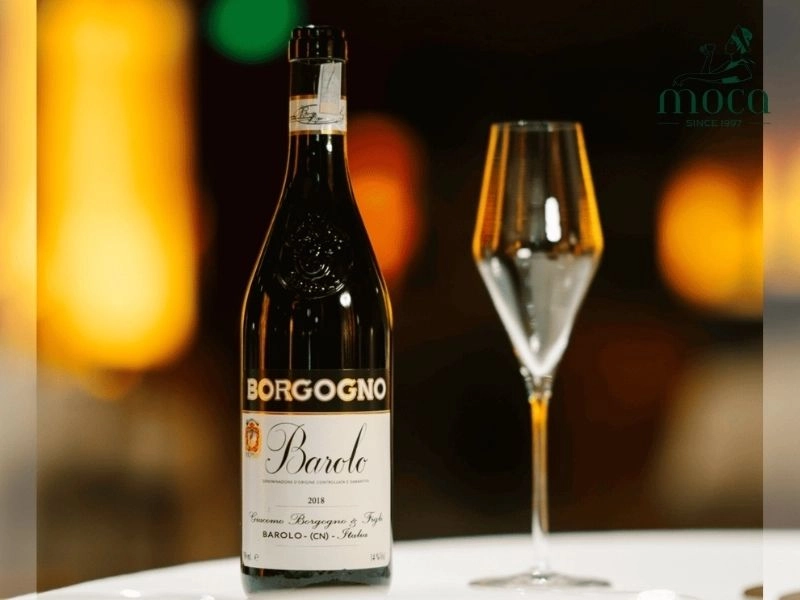
Terroir and wine are inextricably linked. This French term encompasses all the environmental factors that influence a grape's character - soil composition, climate, altitude, and vineyard orientation. It is the reason a Syrah from the cool, granite-rich slopes of France's Northern Rhône tastes peppery, savory, and elegant, while the same grape, called Shiraz, from the hot, sunny Barossa Valley in Australia tastes bold, jammy, and fruit-forward. Terroir is the wine's unique signature of place. - Oak vs. Stainless Steel: Shaping Texture and Aromatic Complexity:
The vessel in which a wine is fermented and aged has a profound impact on its final profile. Aging in oak barrels can impart flavors of vanilla, clove, smoke, and coconut, while also softening tannins and adding textural richness through slow oxygen exposure. Fermentation in inert stainless steel tanks, by contrast, preserves the pure, primary fruit character and crispness of the grape, resulting in a sharper, more focused wine. A California Chardonnay aged in new oak will be buttery and toasty, while a Chablis fermented in steel will be a testament to green apple and mineral purity.
Ultimately, the ability to distinguishing wines is more than just knowledge - it is an art form, a sensory skill that deepens your appreciation for the craft in every bottle. It transforms a meal from something you eat into an experience you cherish.
We cordially invite you to Moca Dining to put this guide into practice. Allow our team to lead you on a journey through our cellars, where you can personally experience the sublime synergy between our contemporary cuisine and the perfect wine selection.
To reserve your table and begin your exploration, please contact us (Tel: 08.1996.1997). We are located at 16 Nhà Thờ, Hoàn Kiếm, Hanoi.