








- 1. What is creative cuisine? A definition of its essence
- 2. The foundational principles and elements of creative cuisine
- 2.1. Innovation in the Use of Ingredients
- 2.2. Advanced and Non-Traditional Cooking Techniques
- 2.3. Artistic presentation and storytelling
- 2.4. The element of surprise and interaction
- 3. Moca Dining: Where Creative Culinary Art Flourishes
- 3.1. Moca Dining’s “No Limits” Philosophy
- 3.2. Unique Culinary Creations at Moca Dining
- 3.3. The multi-sensory space and experience
- 3.4. Our master chef team
- 4. The Value and Appeal of Creative Cuisine to the Modern Diner
In the ever-accelerating evolution of the global culinary industry, the modern diner is no longer a passive recipient but an active seeker of new, profound, and unique experiences. In this dynamic context, Creative Cuisine has emerged as a revolutionary force, a philosophy that courageously breaks traditional rules to deliver exhilarating and memorable surprises. For our esteemed guests, this article will delve into the definition and core principles of this culinary art, and illuminate how Moca Dining meticulously applies this philosophy to forge its distinctive and celebrated culinary identity.
1. What is creative cuisine? A definition of its essence
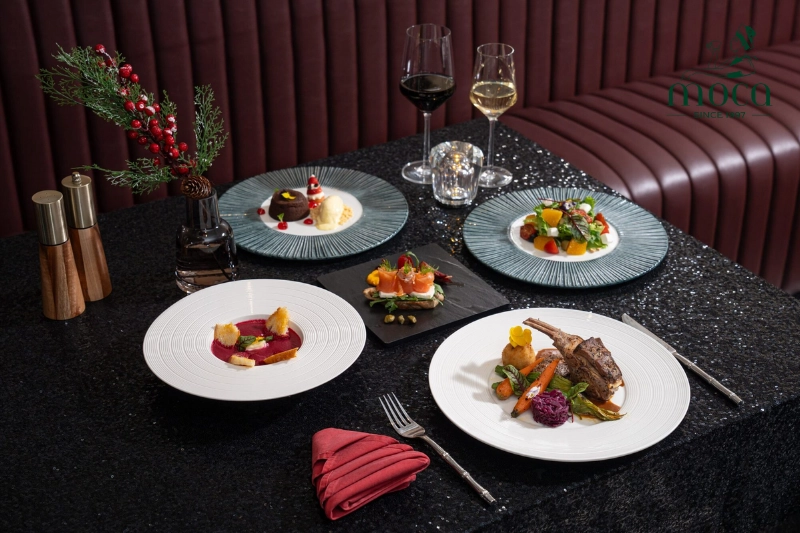
Creative cuisine is more than a dish—it’s a surprising, multi-sensory experience that tells its own story on the plate.
At its heart, Creative Cuisine is not merely the act of inventing new dishes; it is a comprehensive culinary philosophy centered on relentless culinary innovation, the pushing of established boundaries, and the masterful combination of unexpected elements to deliver a singular dining event.
To fully appreciate its significance, one must distinguish it from other culinary styles:
- Traditional Cuisine: This is the bedrock of gastronomy, following time-honored recipes, ingredients, and techniques that have been perfected and passed down through generations.
- Fusion Cuisine: This style artfully combines elements from two or more distinct and existing culinary traditions to create a harmonious blend.
- Creative Cuisine: This experimental cuisine transcends mere combination. It is about redefinition. It emphasizes a groundbreaking exploration of flavors, textures, temperatures, and presentation, often without allegiance to any single "cuisine." Its core objectives are to stimulate all five senses, to surprise and delight, to evoke deep emotions, and to construct a distinct culinary narrative on the plate.
2. The foundational principles and elements of creative cuisine
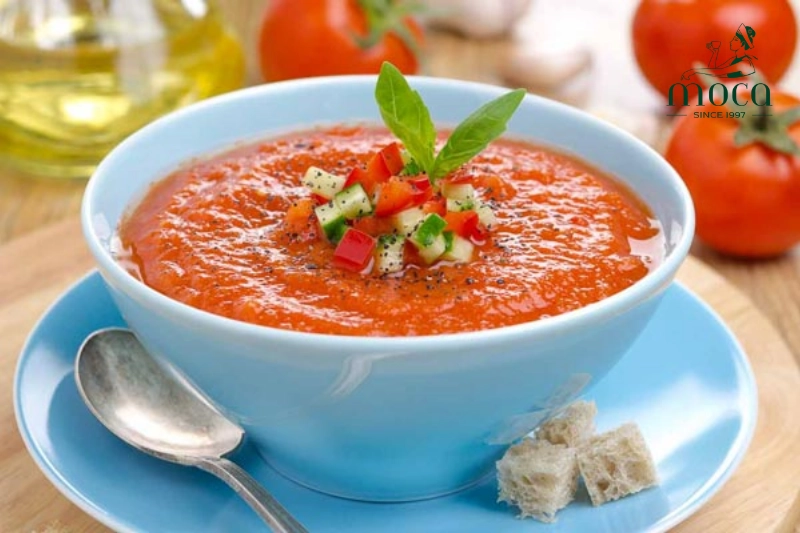
Deconstructed tomato gazpacho with basil oil pearls and feta snow – transforming familiar ingredients into a surprising culinary experience.
The practice of Creative Cuisine is governed by a set of principles that transform a meal from mere sustenance into an intellectual and sensory journey.
2.1. Innovation in the Use of Ingredients
This principle involves a deep exploration and utilization of uncommon ingredients, or the combination of elements that seem entirely unrelated. It also involves redefining the purpose of familiar ingredients, finding novel applications for every part of a plant or animal.
A classic illustration is a "Deconstructed Tomato Gazpacho with Basil Oil Pearls and Feta Snow." Here, familiar ingredients are transformed. The tomato is clarified into a transparent, intensely flavored consommé. The basil is turned into shimmering pearls through spherification. The feta cheese is frozen with liquid nitrogen and grated into a fine, savory "snow" that melts on the tongue. This is not a soup; it is an exploration of "tomato" in unexpected forms, a hallmark of culinary creativity.
2.2. Advanced and Non-Traditional Cooking Techniques
Creative Cuisine often employs scientific principles, a field popularly known as molecular gastronomy, to manipulate the physical and chemical properties of food. Techniques such as sous-vide, spherification, gelification, foams, and the use of liquid nitrogen are used to alter textures, shapes, and temperatures in astonishing ways.
Consider a "63-Degree Egg with Smoked Potato Espuma and Faux Truffle Caviar." The egg is cooked via sous-vide to a precise 63°C, resulting in a perfectly jammy, custardy yolk. The potato is transformed into a light, airy foam (espuma). The "caviar" is created by using spherification to encapsulate a rich, truffle-infused broth into delicate spheres that burst in the mouth. This dish showcases how innovative cooking can create a symphony of textures from humble ingredients.
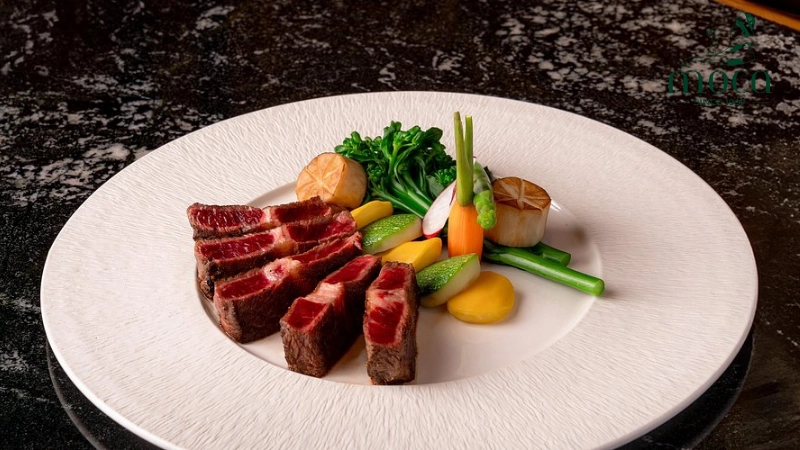
In creative cuisine, the plate is a canvas, telling a story through color, texture, and composition
2.3. Artistic presentation and storytelling
In Creative Cuisine, the plate is a canvas. Dishes are conceived and executed as works of art, with meticulous attention paid to color theory, composition, form, and even dramatic visual effects like smoke or interactive elements. Each dish can tell a story, convey a message, or evoke a specific memory or emotion.
Pioneering research in fields like gastrophysics has scientifically demonstrated that visual elements—such as the color, shape, and arrangement of food on a plate—directly influence our perception of flavor and overall enjoyment. A dish presented with artistic intent is perceived as tasting better, a principle we hold central to our artistic presentation.
2.4. The element of surprise and interaction
A key goal of avant-garde cuisine is to disrupt expectations and engage the diner. This can be achieved through surprising flavor pairings, unexpected textures, or a serving style that encourages interaction.
A dessert might be presented as a solid chocolate sphere, which the diner must crack open with a small mallet to reveal a cascade of exotic fruit mousse, sorbet, and edible flowers within. This interactive element transforms the diner from a spectator into a participant in their own culinary experience.
3. Moca Dining: Where Creative Culinary Art Flourishes
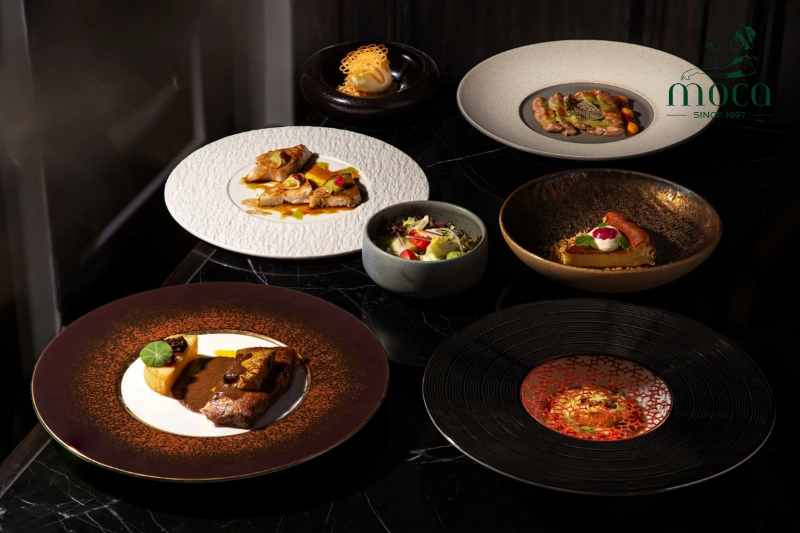
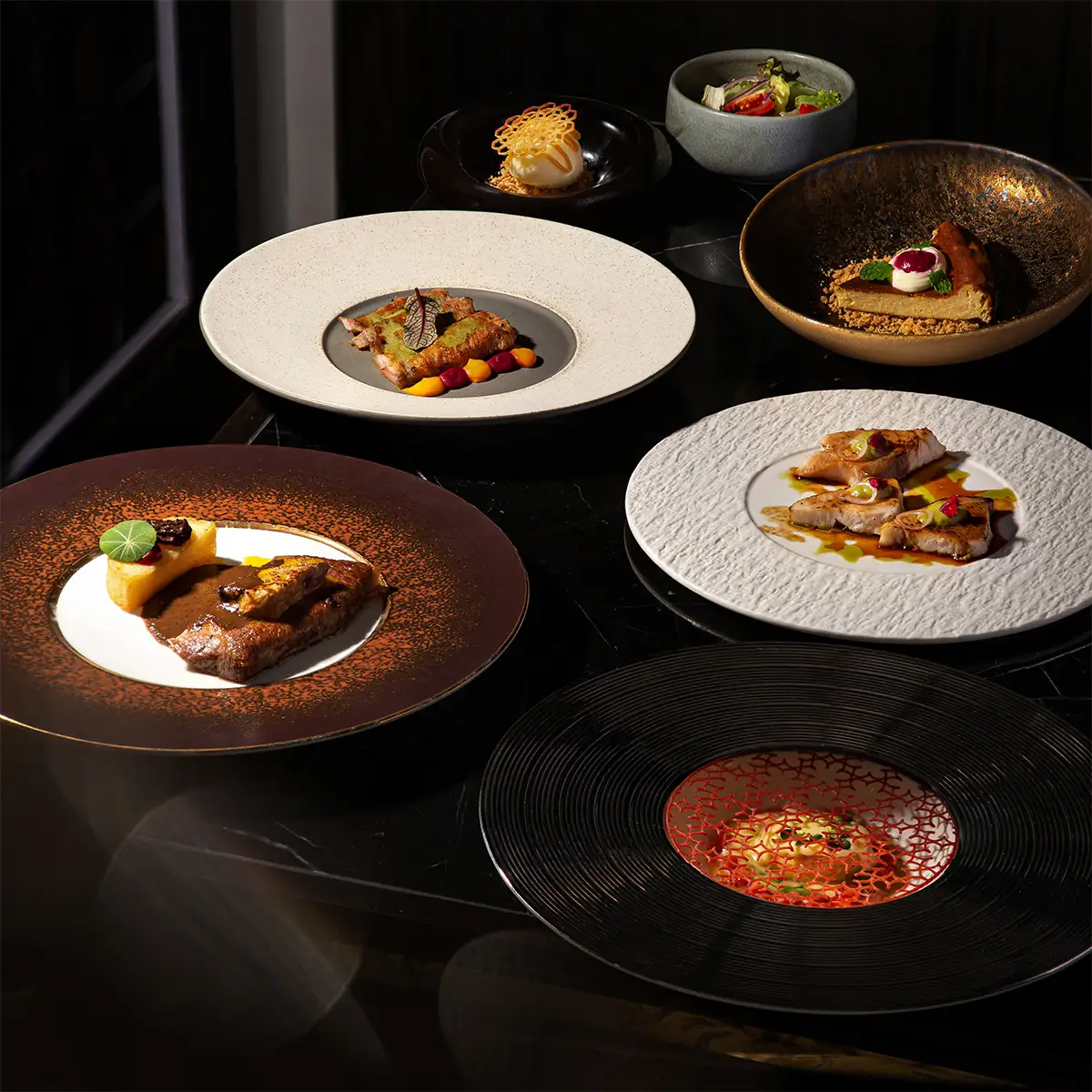
At Moca Dining, every dish is a work of art, telling a story of boundless creativity—from reimagined Bun Cha to Yuzu Tuna and the enchanted dessert landscape.
At Moca Dining, we do not just follow the trend of Creative Cuisine; we are dedicated practitioners and innovators in the field.
3.1. Moca Dining’s “No Limits” Philosophy
Our culinary identity is built upon a "No Limits" philosophy. We are committed to continuous exploration, experimentation, and the courage to push beyond traditional boundaries to deliver the most unique and memorable culinary journeys. This boldness is always tempered with sophistication, ensuring that every creation has purpose, depth, and impeccable balance.
3.2. Unique Culinary Creations at Moca Dining
Our menu is a testament to this philosophy, a gallery of edible art.
- “Hanoi’s Echo” – A Reimagining of Bun Cha: We deconstruct this iconic street food into a fine dining masterpiece. Pork is cooked sous-vide for unparalleled , the dipping sauce is transformed into a warm, clear gelée that melts on contact, and fresh herbs are presented with architectural precision.
- “Ocean Jewel” – Bluefin Tuna with Yuzu Air and Coconut Snow: Premium, sashimi-grade tuna is paired with a feather-light "air" of yuzu and a delicate, savory "snow" made from coconut cream, showcasing the techniques of molecular gastronomy to create a dish that is both visually stunning and texturally surprising.
- “The Enchanted Grove” Dessert: This dessert is presented as a miniature edible landscape. A chocolate "soil," matcha "moss," and spun sugar "branches" hide a core of passionfruit curd and wild berry sorbet, inviting the diner on a journey of discovery with every spoonful.
3.3. The multi-sensory space and experience
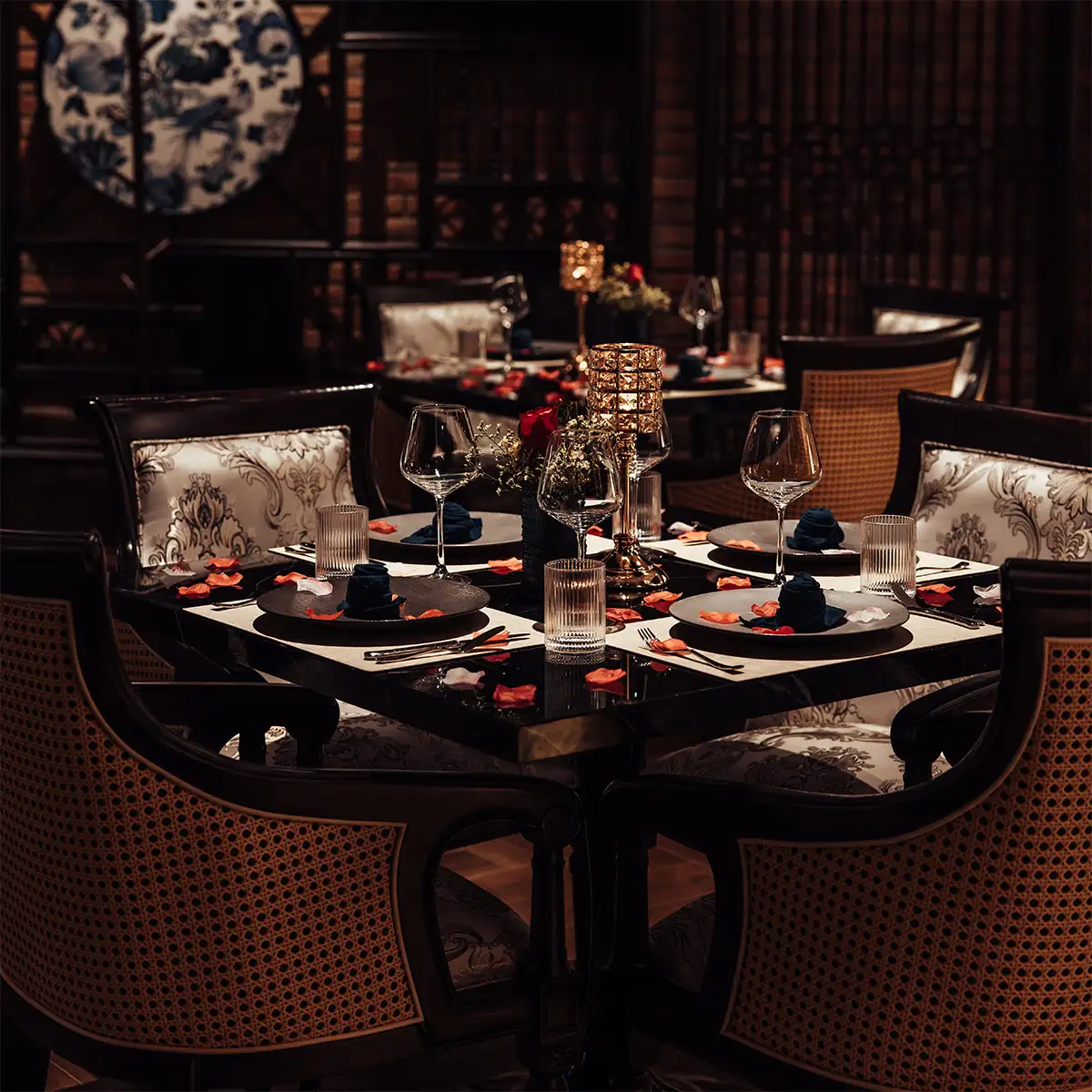
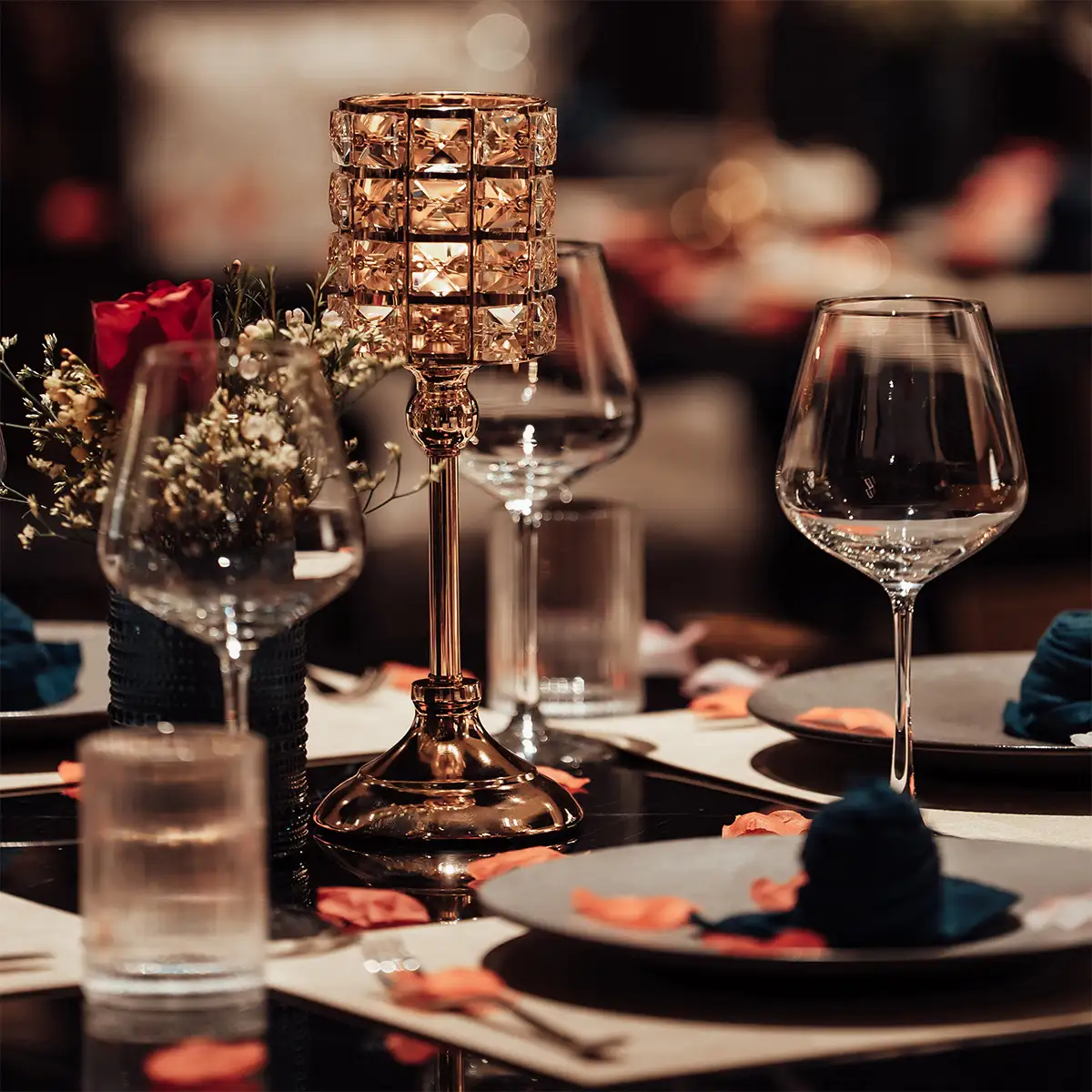
The multi-sensory experience at Moca Dining is holistic. Our unique, modern interior is designed to inspire creativity and artistic appreciation. The precise control of lighting, the curated soundscape, and the choreography of our service team are all intentionally designed to complement and enhance the culinary narrative presented on your plate.
3.4. Our master chef team
The visionaries behind our modern cuisine are our master chefs. With training at internationally acclaimed institutions and experience in Michelin-starred kitchens, our team possesses the elite skills, artistic vision, and relentless passion for innovation required to excel in the demanding world of Creative Cuisine.
4. The Value and Appeal of Creative Cuisine to the Modern Diner
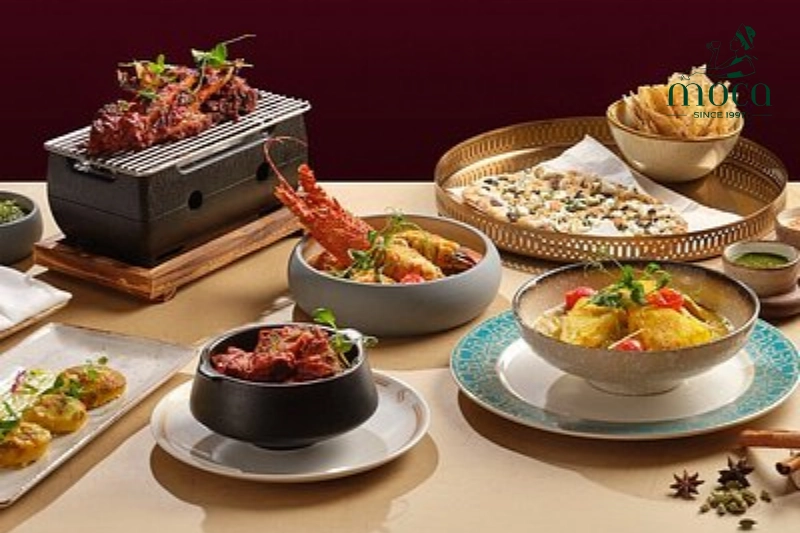
Creative cuisine turns dining into a performance, stimulating both emotions and curiosity in the diner.
This culinary movement offers an experience that transcends the simple act of eating.
It provides an exceptional taste and emotional journey, turning dinner into a performance and a work of art. Contemporary consumer trend reports consistently highlight a paradigm shift where diners prioritize unique, memorable "experiences" over mere products.
Creative Cuisine directly answers this demand. It stimulates curiosity, encouraging diners to think about the origin, preparation, and meaning behind each dish. It perfectly suits the modern lifestyle's demand for personalization, novelty, and experiences that are both shareable and deeply meaningful.
In the landscape of contemporary gastronomy, Creative Cuisine represents the pinnacle of artistry, intellect, and technical skill. It is a bold declaration that food can be more than just food; it can be a story, an emotion, and a memory in the making. Moca Dining stands as the premier destination for those wishing to explore this extraordinary world. We are a sanctuary where each dish is a meticulously crafted work of art and every meal is a journey. We cordially invite you to join us at Moca Dining, to embark on a unique culinary adventure where creativity knows no bounds and all your senses are awakened.