







In an era where globalization has dissolved traditional culinary borders, the most exciting innovations are born from a dialogue between cultures. This evolution has given rise to Fusion Cuisine—not as a haphazard mix, but as a deliberate and thoughtful blend of two or more distinct culinary traditions. As a premier fusion restaurant, Moca Dining exemplifies this movement, positioning itself as a master of this sophisticated art form. The purpose of this discourse is to explore the profound artistry behind fusion cuisine and to showcase why Moca Dining represents the pinnacle of this culinary frontier. Here, you will gain a deeper appreciation for the creativity behind fusion food and understand the unique role a fusion restaurant plays in redefining modern dining experiences.
1. Decoding fusion: Definition, history, and philosophy
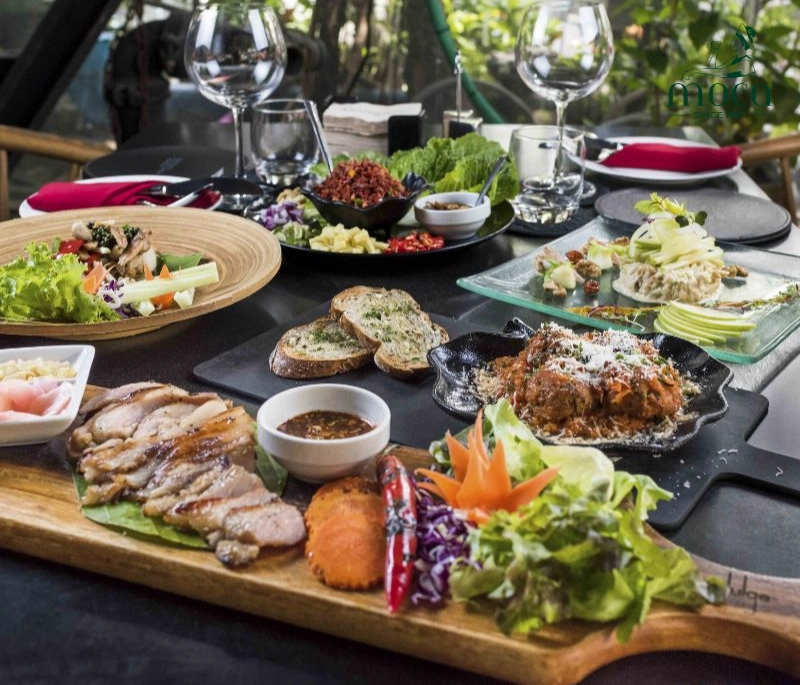
Fusion cuisine — a deliberate and refined blending of diverse culinary cultures.
To appreciate its modern expression, one must first understand the core principles and origins of fusion. It is a philosophy built on respect, curiosity, and a relentless pursuit of new, harmonious flavors.
At its heart, Fusion Cuisine is the deliberate and thoughtful synthesis of disparate culinary traditions to create a new, harmonious whole. It is an intellectual exercise in flavor and texture, far removed from the simple act of placing two cuisines side-by-side on a plate. As the celebrated chef Norman Van Aken, a pioneer of the movement, articulated, it is about finding "logical and delicious" connections between different food cultures. This philosophy took root in the 1970s and 80s, as increased global travel and migration exposed chefs to a broader palette of ingredients and techniques, sparking a wave of unprecedented creativity.
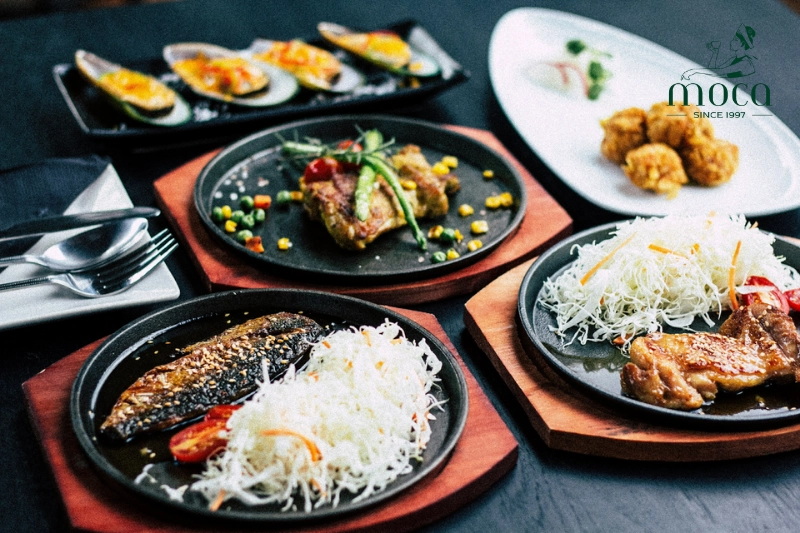
Fusion — a diverse spectrum, not a monolithic concept.
Fusion is not a monolithic concept; it exists on a spectrum:
- Regional fusion: This involves combining cuisines from adjacent regions or within the same continent. Pan-Asian cuisine, which thoughtfully blends elements from Japan, China, Thailand, and Vietnam, is a prime example.
- East meets west: This is the classic and most recognized form of fusion, often pairing the bold ingredients and philosophies of Asia with the foundational techniques of Europe. A quintessential example is the Asian fusion approach of using Japanese ingredients within a French culinary framework.
- Conceptual fusion: The most abstract form, this involves blending high-level techniques, presentation styles, or philosophical approaches from disparate cultures to create something entirely new.
2. The art of the blend: Techniques and challenges in fusion fine dining
Creating a successful fusion dish is a high-wire act of balance, requiring deep scientific understanding and technical mastery. It is a challenge that separates a true fusion restaurant from mere imitators.
2.1.The science of complementary flavors
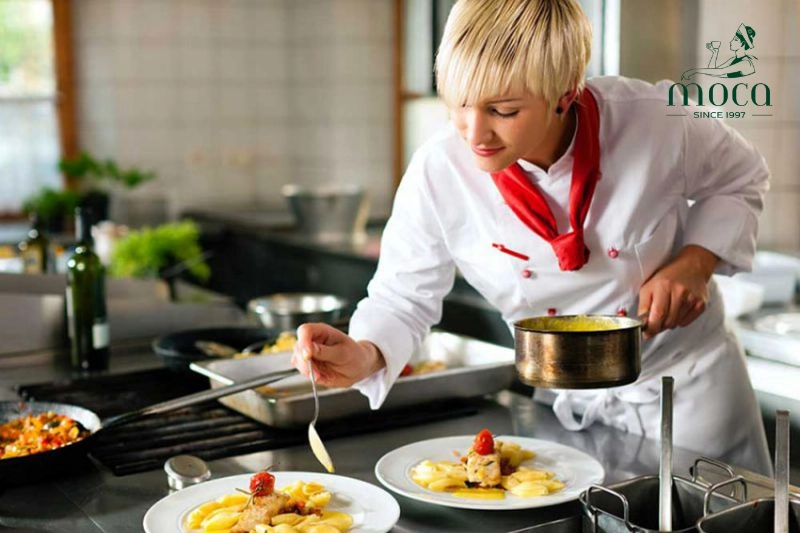
The science of complementary flavors.
Professional chefs do not pair ingredients by chance; they engage in a process known as flavor mapping. This involves analyzing the core flavor profiles—sweet, sour, salty, bitter, and umami—to find unexpected yet harmonious pairings. This practice is supported by food pairing theory, a scientific discipline which posits that ingredients sharing key aroma compounds are likely to work well together. This is why seemingly disparate items, such as white chocolate and caviar, can create a surprisingly cohesive and delightful taste experience when their molecular profiles align.
A practical application in a fusion kitchen might involve using umami-rich miso to deepen and enhance a classic French butter sauce, replacing a traditional component with a cross-cultural counterpart to achieve a new dimension of flavor.
2.2. The fine dining challenge: Authenticity and elevation
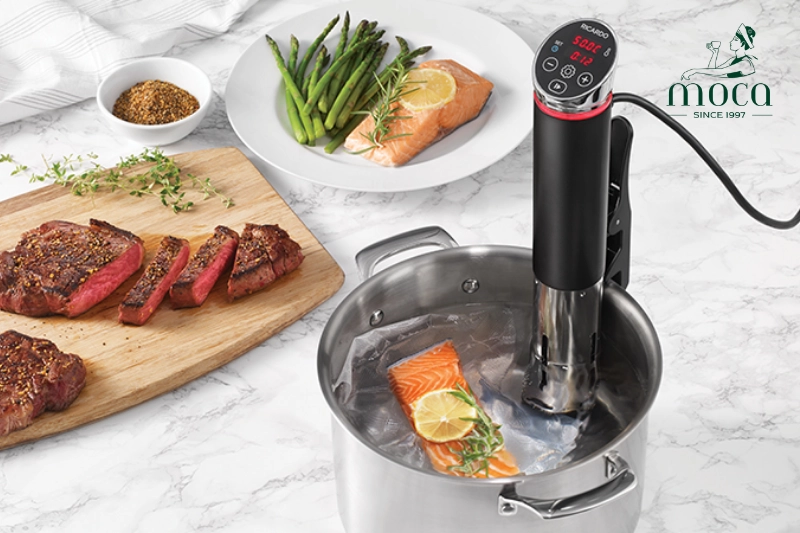
The fusion chef’s challenge: respect and elevation of culinary heritage.
The fusion chef bears a significant ethical responsibility: to deeply understand and respect the source cuisines. True fusion is born from appreciation, not appropriation. It requires studying the history, ingredients, and cultural significance of a dish before attempting to reinterpret it.
This respect is demonstrated through technique fusion. This is where a chef might blend high-level methods from different worlds to create an elevated final product. For instance, one could take a traditional Japanese dish like Kakuni (braised pork belly) and apply the modern French technique of sous vide. The pork belly would be cooked for an extended period at a precise low temperature to achieve perfect tenderness and moisture retention, then finished with a high-heat sear. This marries Japanese flavor tradition with French technical precision, resulting in a dish that is superior to what either technique could achieve alone.
3. Moca Dining: A masterclass in fine dining fusion
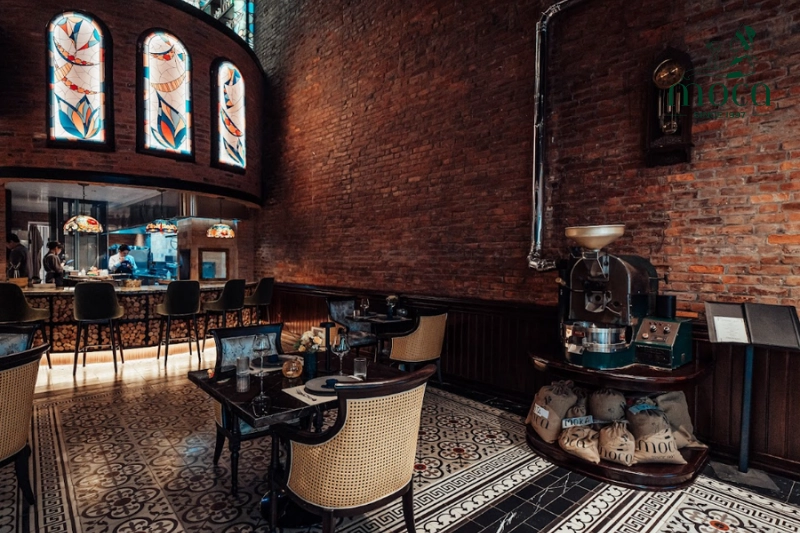
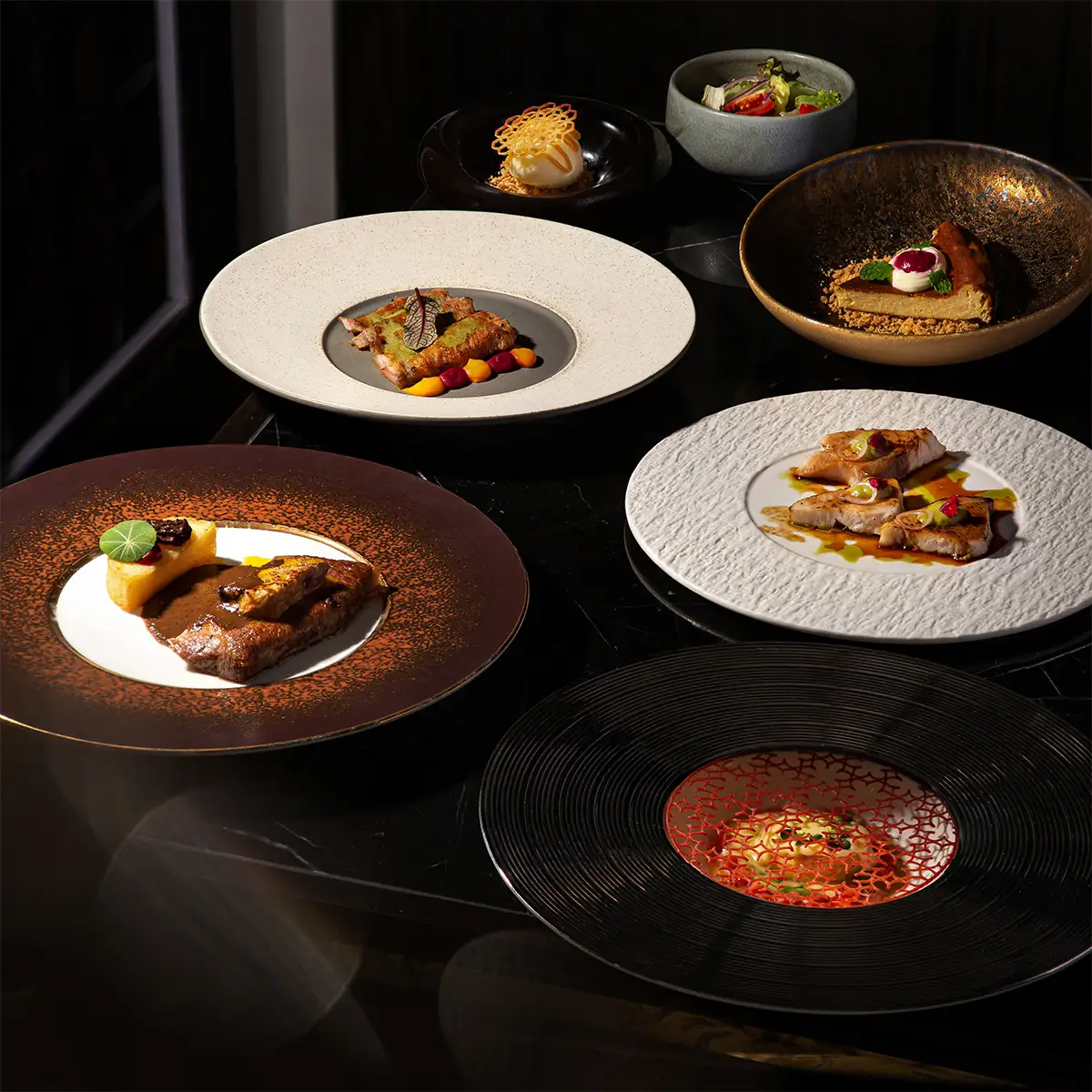
Moca Dining — a masterclass in fine dining fusion.
At Moca Dining, fusion is not an experiment; it is our identity. We have dedicated our craft to perfecting this art form, creating a unique and compelling culinary narrative.
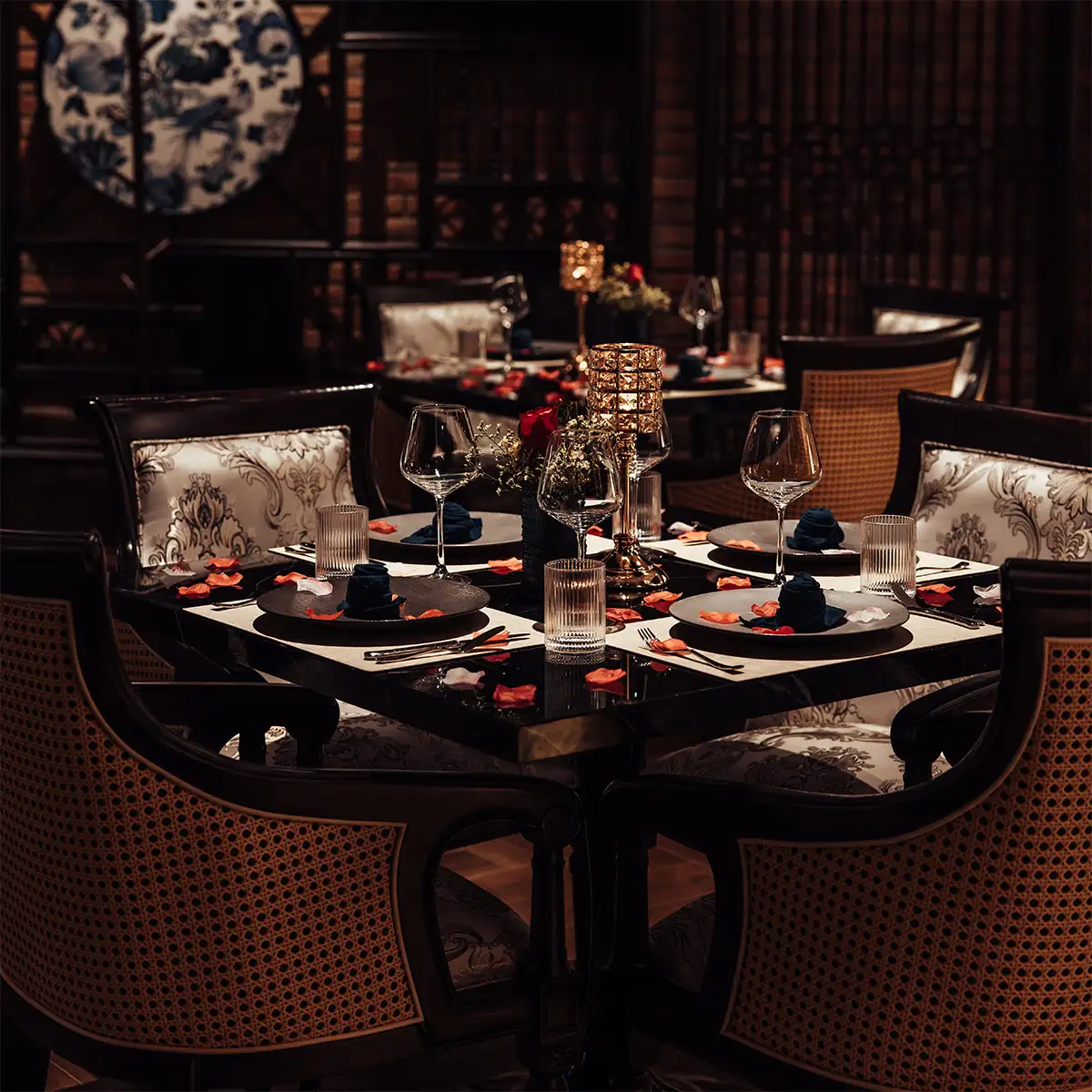
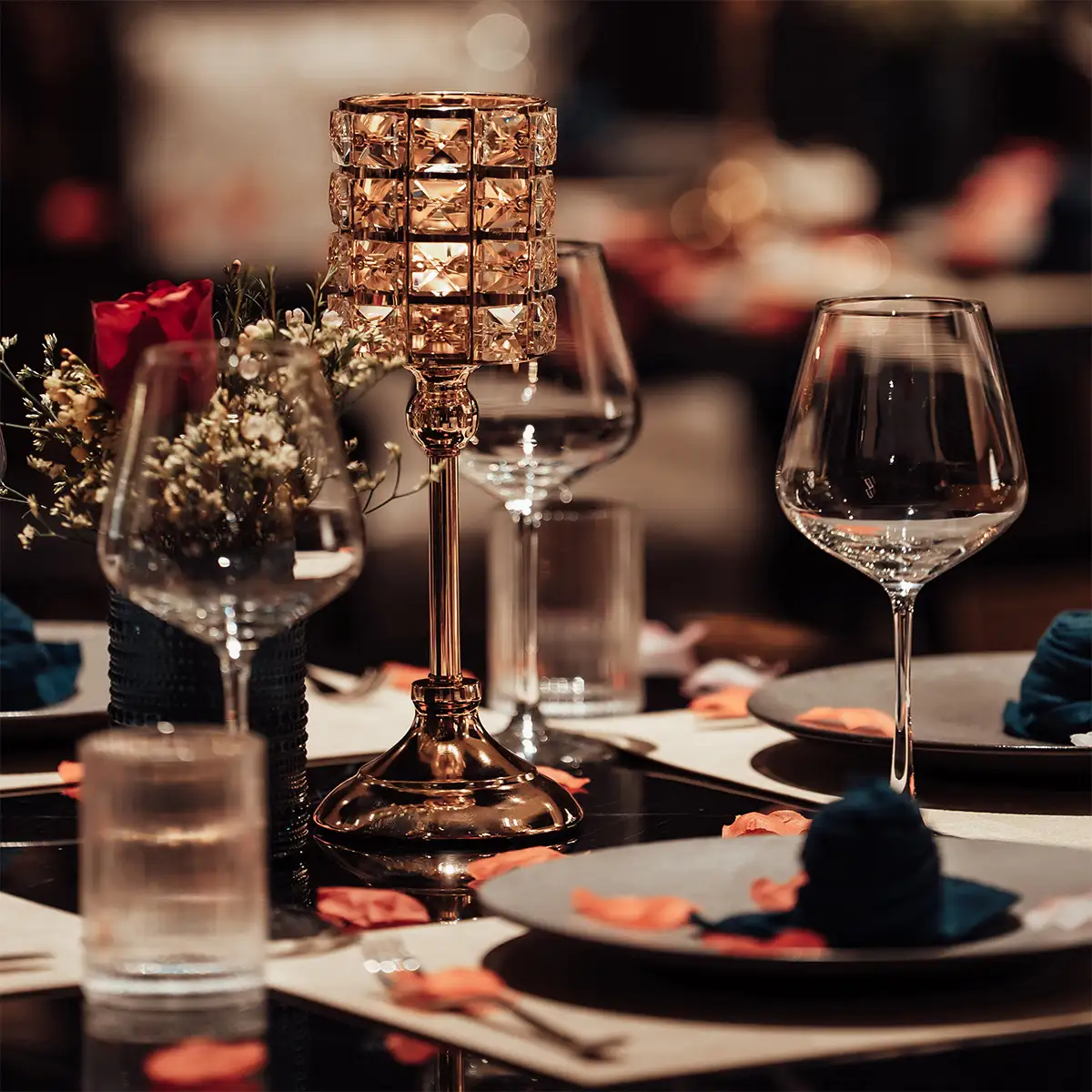
This philosophy extends beyond the plate. The interior design of Moca Dining reflects our fusion concept, blending the minimalist lines and natural materials of Japanese aesthetics with the rich textures and plush comfort of a European fine dining room.
Our tasting menu is not a collection of dishes but a curated journey. It is a narrative that guides the diner through a series of surprising and delightful cultural pairings. This journey is navigated with the help of our Head Sommelier, whose role is especially critical in a fusion restaurant. They possess the expertise to pair the complex, multi-layered flavors of our dishes with a diverse cellar of wines, sakes, and artisanal spirits, ensuring each course is perfectly complemented and elevated.
We invite you to experience the result of this meticulous and creative culinary art.
As we have explored, true Fusion Cuisine is an exacting art of intentional blending, one that demands profound knowledge, technical skill, and boundless creativity. It is about building bridges between worlds to create a future for flavor that is more exciting and delicious than its past. Moca Dining is not just a fusion restaurant; it is a laboratory for culinary innovation and a stage for gastronomic storytelling. We offer an experience that challenges the palate, delights the senses, and redefines the possibilities of fine dining. We encourage you to reserve your table and witness the future of fine dining fusion for yourself.